The Rise of Rexhep Rexhepi as One of Independent Watchmaking’s Most Important Names

What is the value of a brand? For most of Swiss watchmaking, the answer really might go all the way to 100. To be interested in any given watch, you have to first know about it and name recognition plays a big role there, obviously. This can lead to some awkward moments – the uninitiated might think Richard Mille is the man who makes the watches. While that might make you a little smug, dear reader, remember that you too might easily be caught off guard.
To use an analogy, just because you have a good alpine position and can execute demanding turns on a ski slope, that does not mean you can do the same when you go off-piste. Let us bring this back to watchmaking with the appropriate example. When someone asks how Jasmine Audemars and Olivier Audemars are related, you might be flummoxed – that is a story for another time but you catch our drift here. And no, Google and AI will not offer a clear answer, though neither will be wrong.
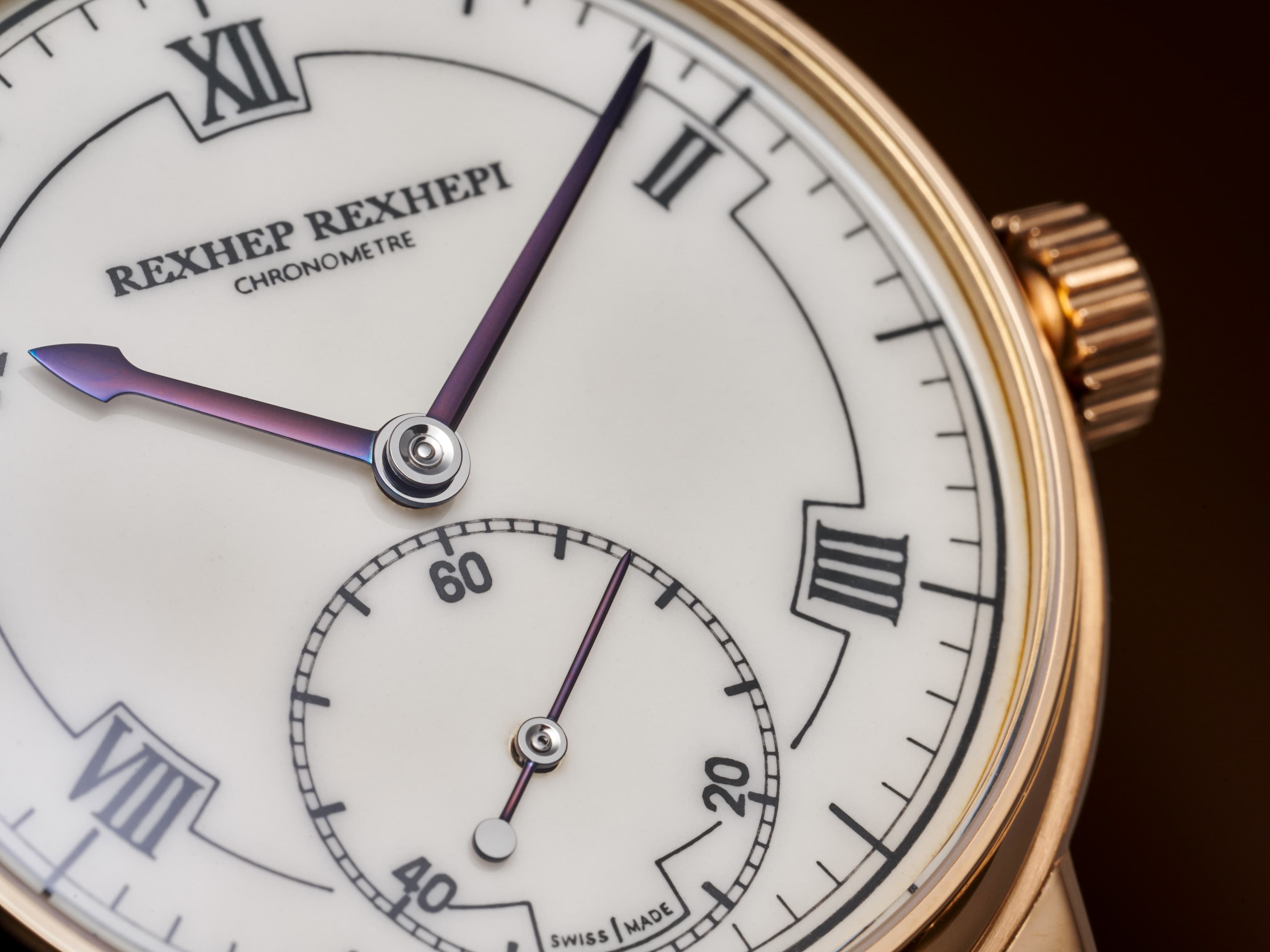
On that note, if you have your AI assistant ready, ask why Rexhep Rexhepi calls his brand both Akrivia and his own name. Here is what Gemini told us: “Rexhep Rexhepi uses both names to distinguish between two different aesthetic and philosophical expressions of his watchmaking. While both are produced within the same Atelier Akrivia in Geneva, they represent “two sides of the same coin”.
Akrivia (The Brand): Founded in 2012, this name comes from the Greek word for “precision”. The Akrivia collection features a bold, contemporary style with complex, avant-garde case designs and ambitious complications like tourbillons.
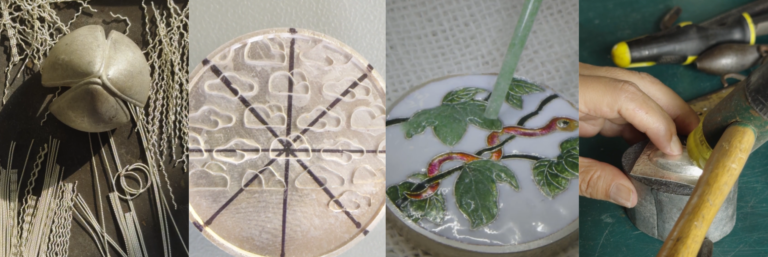
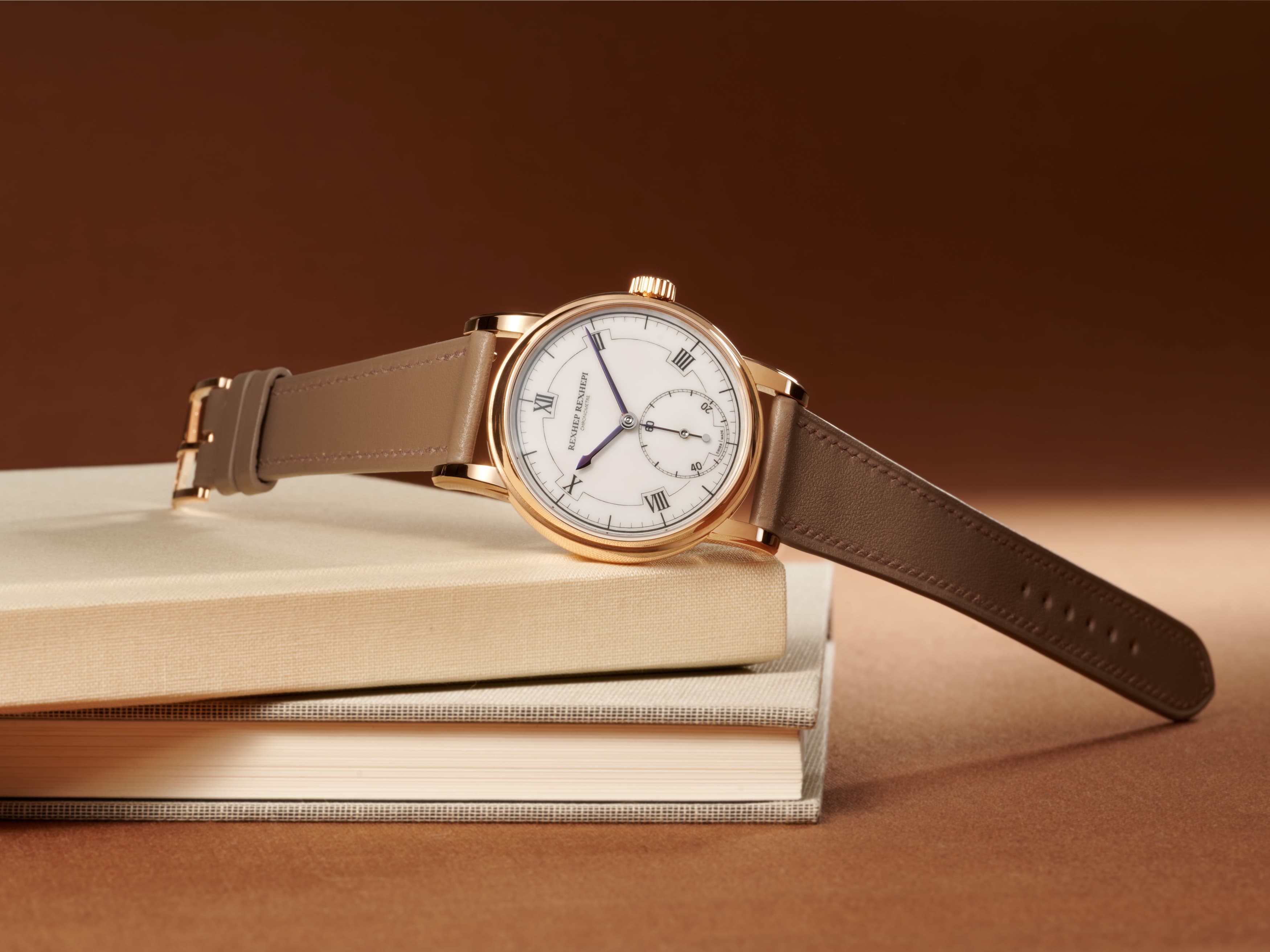
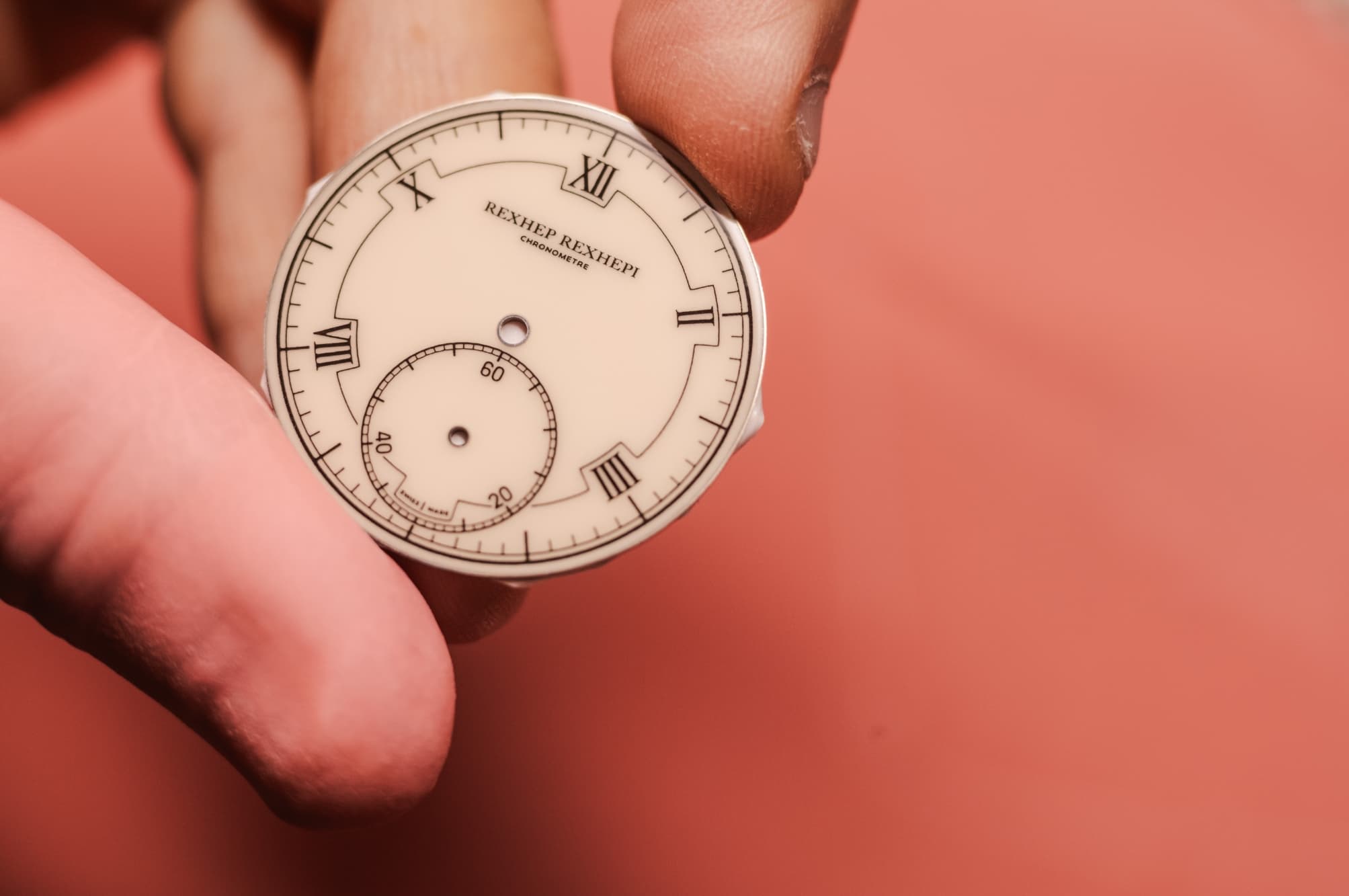
Rexhep Rexhepi (The Founder’s Collection): Introduced in 2018 with the Chronomètre Contemporain (RRCC), this collection is neo-classical and elegant. It focuses on traditional techniques and refined, vintage-inspired aesthetics, often featuring round cases and grand feu enamel dials.
This dichotomy exists for a few reasons:
Personal Maturity: Rexhepi initially chose the name “Akrivia” because he was only 25 and felt he lacked the confidence to put his own name on a dial.
Market Demand: By 2018, he realised collectors specifically wanted timepieces signed by the watchmaker.
Honouring Tradition: Signing his own name pays homage to his “school watch” at Patek Philippe, where he was exceptionally permitted to inscribe his name on the dial as a teenager.
Keep all this in view, because it is quite a good explanation, while we backtrack a little to explain Rexhepi’s history and the brand too. The watchmaker’s story has been gaining followers since 2012, when Akrivia debuted with a resounding thud. It seemed dead on arrival, as Rexhepi himself has expressed many times. Timing might have something to do with this, what with it being 2012 and everything.
Rexhepi’s story is relatively well known today, given that he is a Kosovan making his mark in the heart of old Geneva. He has had a most unusual path in coming to traditional Swiss watchmaking, although it would have been a perfectly natural one for a young Swiss person, for example. He arrived in Geneva from Kosovo at the age of 12, amidst the troubles in his homeland. Reunited with his father, whose watches he had always been fascinated by, Rexhepi was now a stranger in a strange land.
Just two years later, at 14, he began an apprenticeship at Patek Philippe. It was here that the seed of his own name in watchmaking was first planted; he was one of the few apprentices permitted to sign his own name on his “school watch” dial. Yet, it would take another decade, a stint at BNB Concept, and the founding of Akrivia in 2012 before he truly found his voice.
Fast-forward to 2018 and everything changed. Collectors were clamouring for the human touch – the signature of the watchmaker himself. With the guidance of industry leaders such as Michael Tay of The Hour Glass, Rexhepi pivoted to the Chronomètre Contemporain. The watch did not just win the GPHG Men’s Watch Prize that year; it signalled the arrival of a new “leader,” for a new generation.
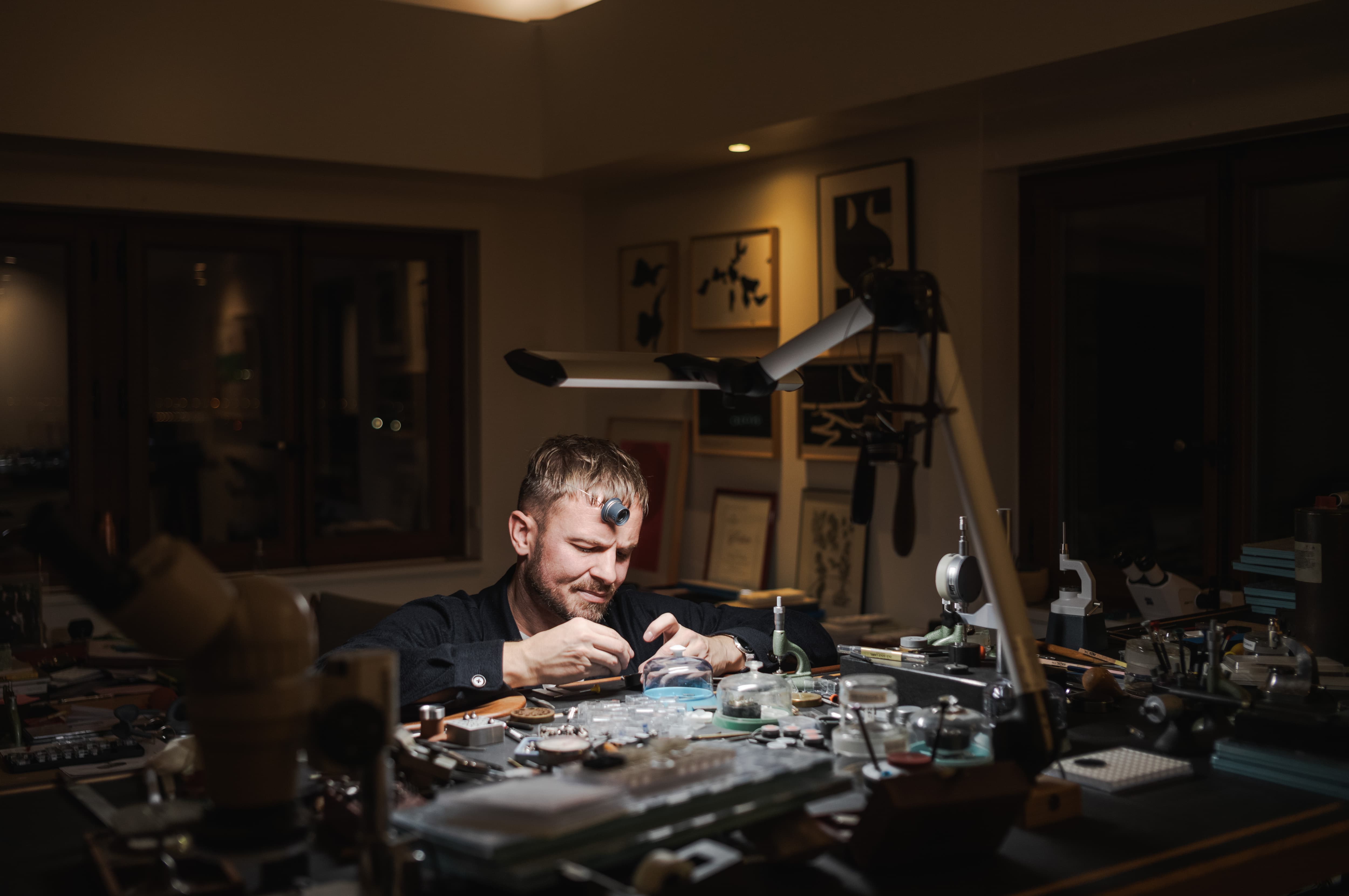
Today, Rexhepi is no longer the “silly kid” he describes in the following pages. He is the master of an artisanal workshop where “good enough is not good.” In this candid conversation, he reflects on the animal instinct that drove him to start his own brand, the evolution of his aesthetic, and why he believes his journey is only just beginning.
You’ve been interested in watches for basically your whole life. What was the pivotal moment for you in deciding to ride on your name?
Actually, I was never confident enough to say, “I will put my name on the dial” for one reason: I have a lot of respect for Swiss watchmaking. Frankly, I thought, “I’m from Kosovo, maybe I shouldn’t put my (Kosovan name) on a Swiss watch.” I was a bit shy, maybe having a bit too much respect for Swiss tradition.
Later, a few people told me I should use my name. Michael Tay was really the guy who said, “Look at the history. The history is all about (signing your name). You have watchmakers who put their names on the dial, so you should just try it.” He gave me the confidence to try it, and I took the decision.
When you started Akrivia – I think you were 25, just after you left F.P. Journe – you would have already known of Kari Voutilainen and Roger Smith, for example. There are a number of others who are not Swiss.
But the thing is… let’s say you’re 25; you’re a silly kid. You don’t have the same belief (as someone older, with more experience). I just didn’t feel confident enough. I looked at (the old guard), and they had some (gravitas), they had their stories. I didn’t have any story. I was like, “Hey, I’m 25 and I’m a watchmaker so now I want to release my brand.” Back then, it was not that popular to become independent at 25. Today, it’s crazy – you finish school, you put your name on a watch, and it’s okay. But before, it was a bit more restrained.
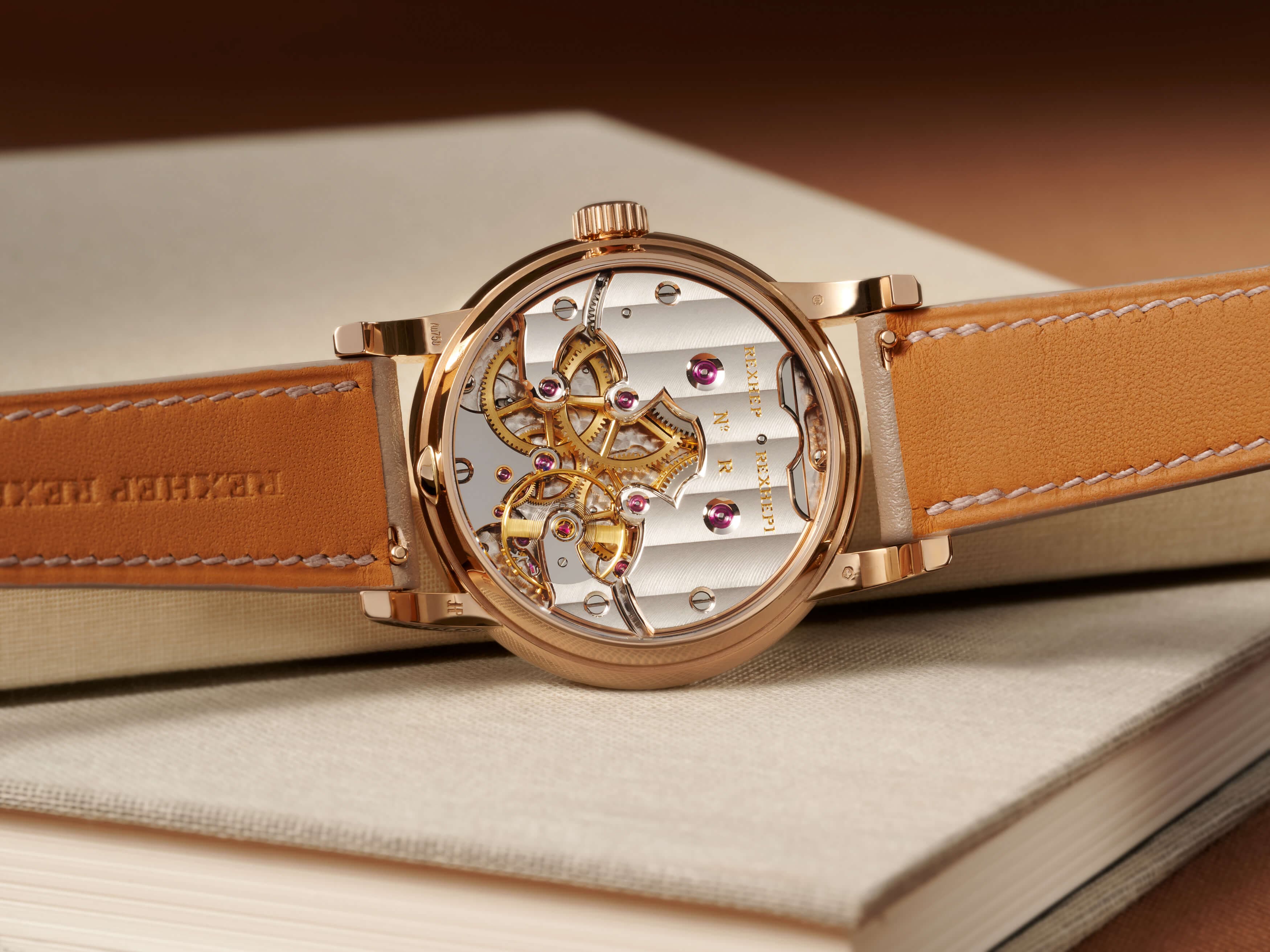
People call you a “leader” of this generation. I don’t think that is something that you ever aspired for. But how do you feel now that you find yourself at the forefront of all these young guys who showed up and decided, “Okay, we have our names now on our watch,” like Sylvain Pinaud and Theo Auffret?
If they think like this about me, I’m super happy. But honestly, I just see my job; what I have to do; and my challenges. I’ve been inspired by a lot of watchmakers because they did well. That is my only true challenge (to do as well as they did). So, I’m trying to do my best, and if I can inspire, or if I can be a leader in the eyes (of the young watchmakers), I’m super happy. But it will not change anything in my approach.
I challenge everything because I think we (watchmakers) have so much to do and I believe we can do everything today. My generation was young, it’s true, and we are a bit older than (the younger generation of independents) now. So maybe we were a bit more experimental (at the same point) than they are today.
When you were at F.P. Journe and thinking, “Okay, now is the time to start,” why exactly that moment? Because I think you had intended to stay with Journe a little longer.
Very simple. Someone asked me, “If you can help me with this, I will give you the possibility to use my engineers,” and things like that. It was an opportunity, so I had to take it. You just feel it was the right moment. I really try to follow my feelings, my animal instincts. I just felt like it was the right time. Actually, it wasn’t the right time! (laughs) I made a mistake – but at that moment I felt it was the right time to start.
When you started, did you have the shape, the style, or the impression of the watch in your mind?
No. You dream about good things. You know some of the things that you like. But honestly, you don’t really know exactly what it will be. You dream; you have tastes that change every day.
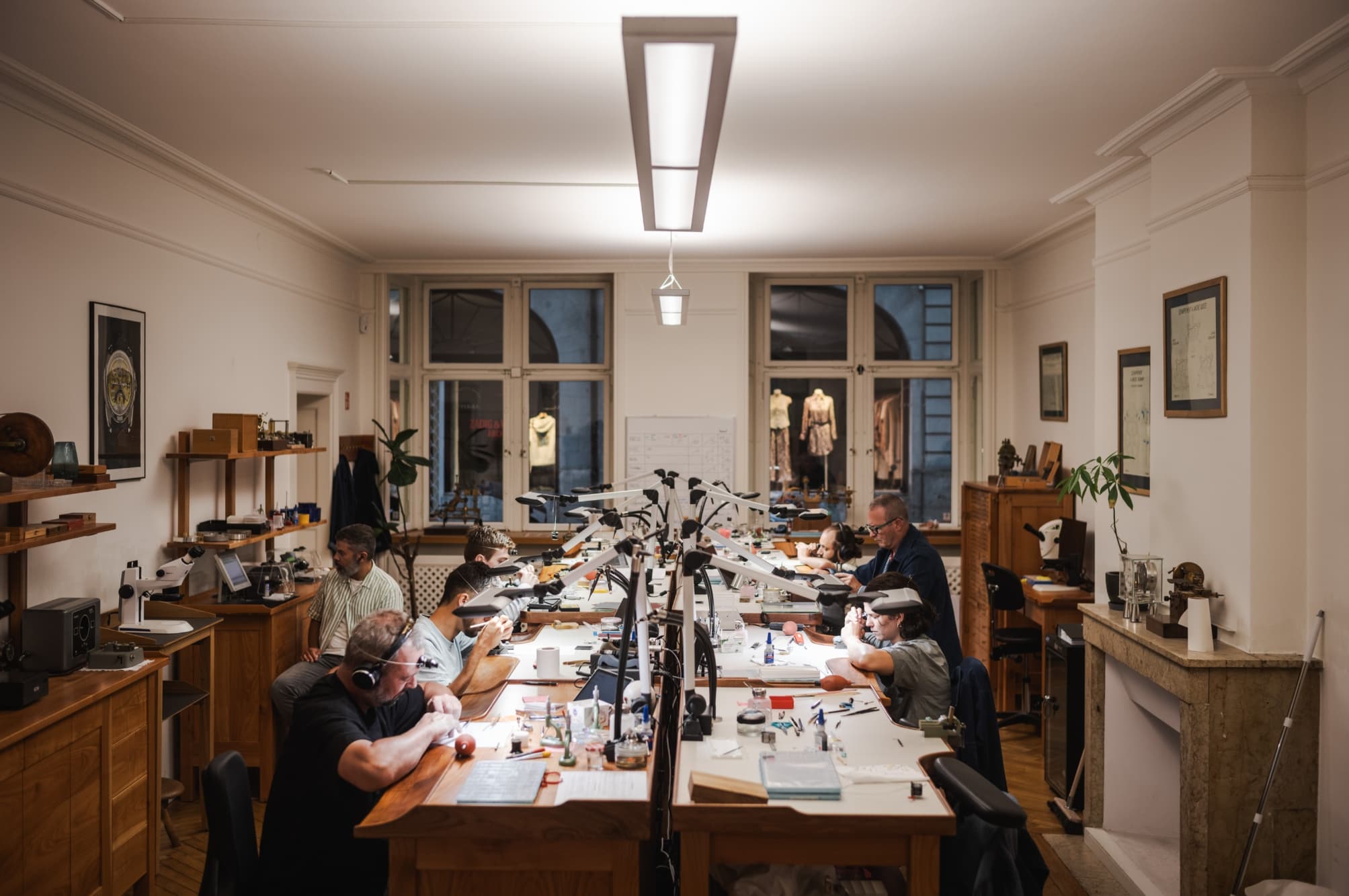
It’s easy for someone to look to the Rexhep Rexhepi Chronomètre Contemporain (RRCC) and Rexhep Rexhepi Chronomètre Contemporain II (RRCC II) because that is often what sticks in people’s minds. But the RRCC is not the first watch that you made, and it looks different from where you started. How did that evolution happen? Did you discover that actually you wanted to make these watches and not the others?
Yes. Like a kid, you always follow your dreams and what you want to do, but you don’t think too much. Slowly, with years, you realise what is important, what you want to do, what you want people to remember, or what really inspired you. Slowly, you start to find yourself and say, “Okay, today I have some complications that I want to do because they make sense for me.” I want to do this complication by bringing some invention or something new. A few years ago, it was kind of, “Oh, I like this.” Today it’s (different); it’s very meaningful. This is how I see watchmaking. This is where I see I can do something a bit more than only doing a watch; there is a message. It’s a bit deeper than before.
On that note, let’s start close to the beginning, maybe with the tourbillon?
For me, the tourbillon… the reason why I did it is very simple. It was a decision I took very quickly because I remember the Patek Philippe 10-Day Tourbillon. I was fascinated by this watch. I saw it (at Patek Philippe when I was doing my apprenticeship) and said, “This is beautiful.” They said they don’t have it anymore. A few years ago, I wanted to have exactly the same feeling as when I saw that watch. So I created my tourbillon. That’s it. After that, you learn a bit more, you go through it, you look at the history, and say, “Okay, now it makes sense.” The chronograph was one of my favourite complications, and this is what I wanted to add – the tourbillon and the chronograph.
Combine these two?
Exactly.
And then, the change – suddenly you show up saying, “Okay, we’re going to do handmade cases.” That’s interesting because hardly anybody makes their own cases for the volume that you do. And now I hear there’s a dial maker as well – you’re making dials, you make straps. It’s like a complete picture. Where did it come from?
The case and everything, for me, was always about the constraints. The goal is you want to make (or reach for) the perfect watch. You want to make a watch that corresponds to (who you are as a watchmaker) in quality and aesthetics. (Atelier Akrivia) started to work with some suppliers, and they have their own challenges; they have to make money. At some point, when you’re doing small volumes, it’s not interesting for them. I understand totally – they have to survive. But very quickly I said, “Maybe I have to find a solution and bring it in-house because it will always be a problem.”
The first moments are always very difficult, but the more I continue, the better I feel, and the more I can realise the watch that I really dream of and meet my expectations. I want to do something a bit more minimalist. I realise that I have to make the most complex thing as simple as possible. This is the beauty, I believe – the most minimalist (approach) possible. You’re trying to do something in as simple a way as possible, even if it’s complex. By doing this by hand, you want to make it look easy, but to make it easy means you have to think a lot. When you think a lot, it becomes a mature product. It’s a philosophy. It brings you other constraints that give you an edge.
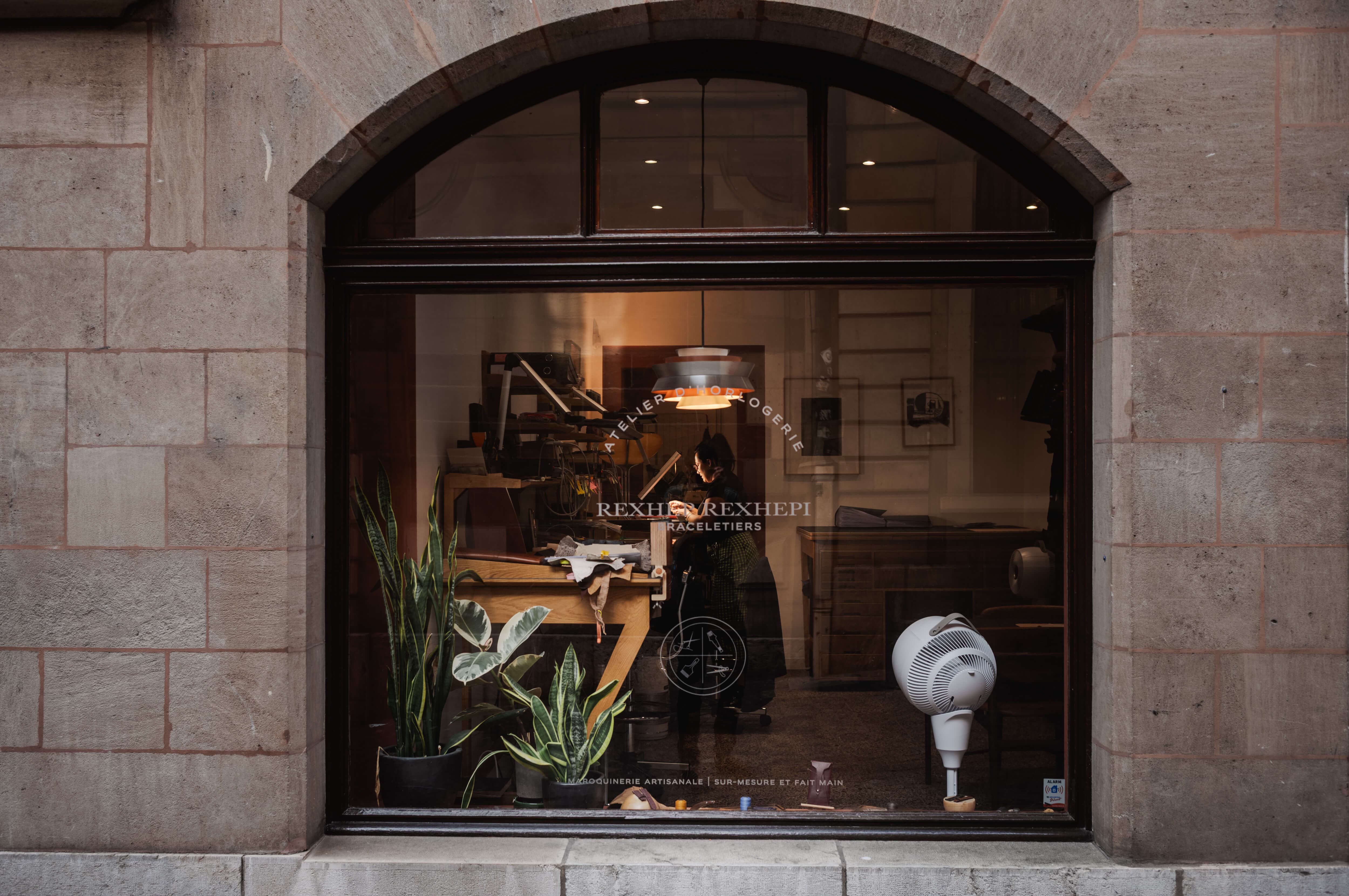
And is it the same with the move to have dials done in-house?
Yeah, because I’m exploring; I try to find myself. Now I have a goal: “Okay, I want to go there, I want to be on top of this mountain,” and I know exactly how to go there. I think we are different from other (brands or makers in terms of production) because, again, we have a different size. We have different challenges. And again, I think I’m still young, so I have to prove myself.
Do you still have a lot to prove?
I think so. I mean, if you look at Journe, maybe he started his own brand at 40. Today I’m 30-something. So for me, all the past was learning, and I’m still learning – I will learn every day. But what I’m saying is, it was more about being established (first of all). Now I know a bit more about what I like. So, I think now will be the start; it will be the start of something major.
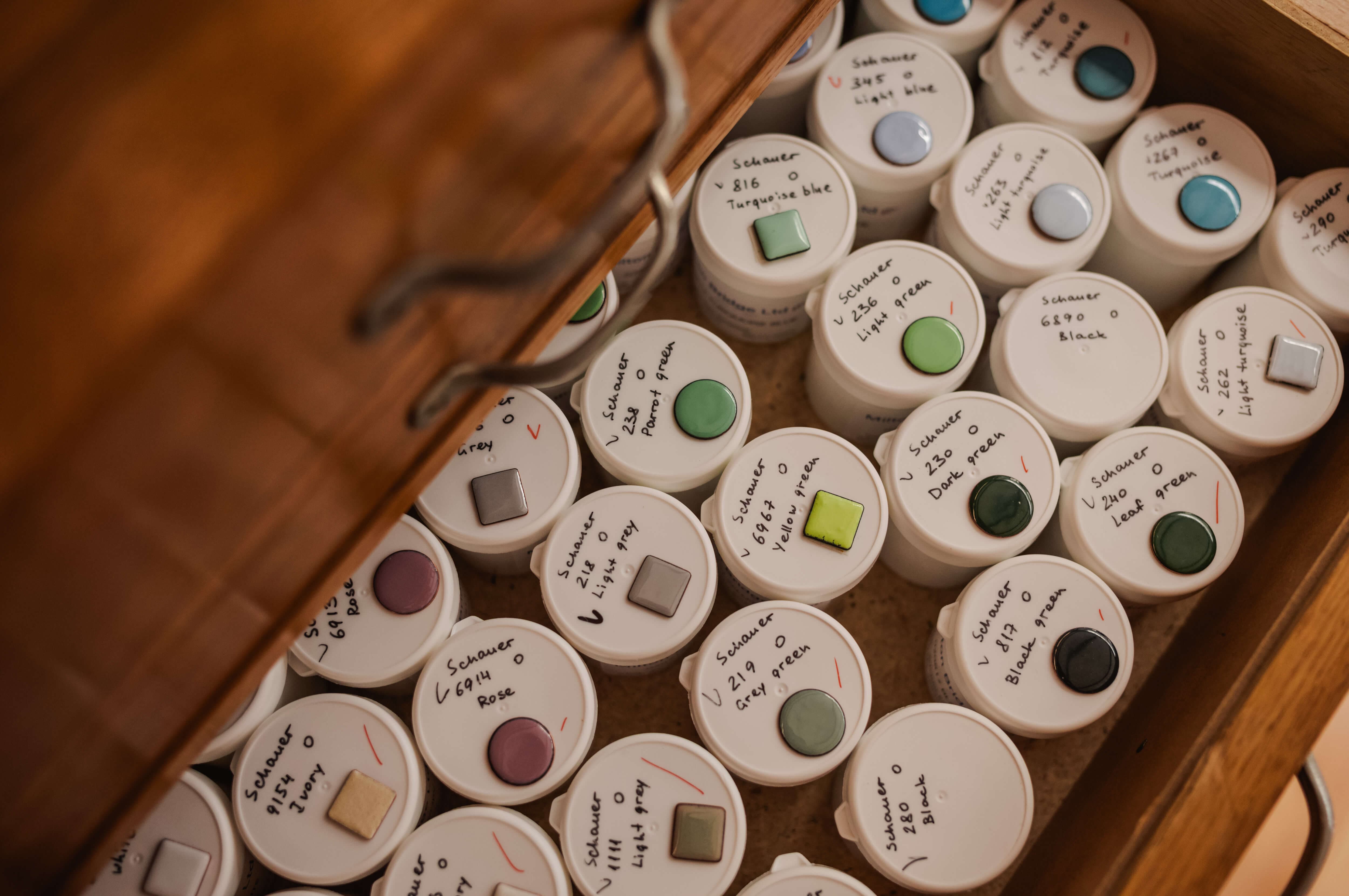
I think as we’re moving forward, there’s been a shift towards doing things more simply, as you were saying. Just doing the maximum possible in terms of finishing, precision, or how well we can make this watch just for the pure timekeeping part of things. Is that something that motivates you as well?
For sure. I think this is the beauty. Watchmaking never stops. When you find something, when you (accomplish) something… You finish your watch; you enjoy it for a few minutes, and you start to come back to this reality of “what can you do better?” It’s quite sad, because it’s never finished. My grandmother used to say, “When you have nothing to do, you die.” I feel in many senses it means that if you don’t have this energy to do something better – or you think it’s perfect – it means you have to stop. But it’s never perfect (for me). You finish something, okay, it’s good, but what can you do better? This will drive me all my life. The moment that I don’t have this energy or will anymore, maybe I’m already done.
In terms of finding new challenges, how do you do that while keeping it simple?
For a watchmaker, you want to make it simple, yes, but you want to explore. If you look at history, you don’t have that many independent watchmakers that did complications – real complications. They didn’t because it’s very complex. I just feel like you absolutely have to do some complex watches (as in complex to make), but keep them as simple as possible in terms of utility.
This is related to the thing I’ve been asking watchmakers about, which is when you see the reaction to the watches that you make and how collectors perceive you. You are like a rock star to many people. How do you feel about this?
Honestly, I think we are in our own bubble. I try to stay away from (this kind of perception). I mean, it’s good – it makes selling some watches a bit easier maybe – but honestly, do I really enjoy it? I just want to forget because, again, I have so much to lose. I started years ago and it was not easy. Today I can’t believe it – it’s beautiful – but it’s not done.
My grandmother (also) used to say, “If it’s not hard, you shouldn’t believe it.” You have to work for something. If it seems too easy, something is not good. So for me, I’m just happy that we can make a living from our passion. I’m super motivated. I’m super disciplined about building something that I hope people will remember. I’ve been inspired by many watchmakers because they did well. I hope I will have at least some of what they did.
I’m here for the long term. I’m not here for one shot. I want to build something. That’s why we started this atelier, and why we have apprentices now. It’s about the future. I respect the tradition. I respect watchmaking. I’m very lucky, and I got this luck that I want to take care of (for the future).
This story was first seen as part of the WOW #83 Spring 2026 Issue
For more on the latest in luxury watch leaders and reads, click here.
The post The Rise of Rexhep Rexhepi as One of Independent Watchmaking’s Most Important Names appeared first on LUXUO.