The Art of Choosing Wedding Accessories That Last Beyond the Aisle
Why Wedding Accessories Require More Than Visual Appeal
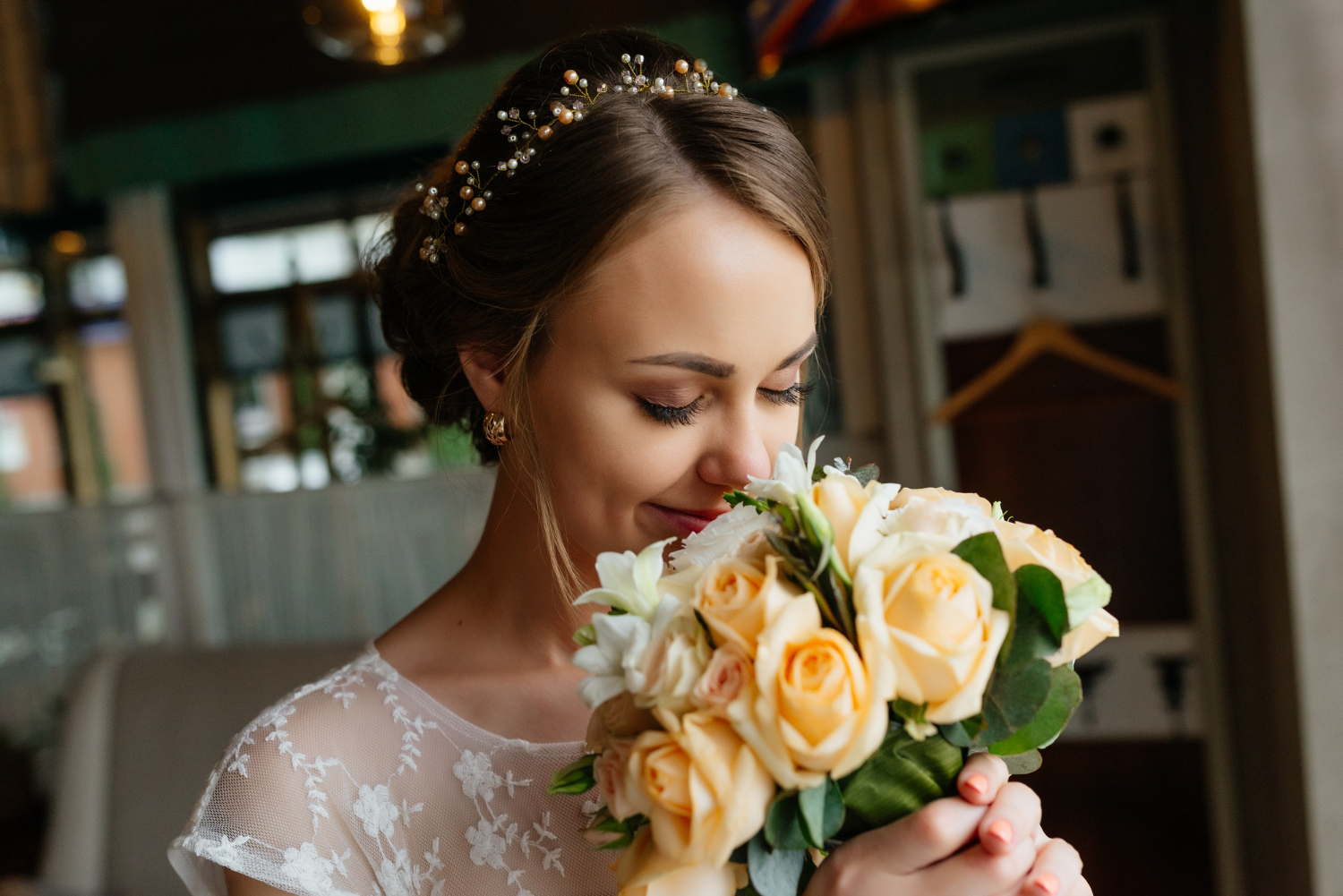
Wedding-day accessories need to do more than look good in a single photograph. They have to hold up through hours of ceremony, portraits, a reception, and dancing—all while still complementing the outfit they’re paired with. The pieces that work best strike a balance between personal style, outfit coordination, comfort, material suitability, and durability. As a starting point for building an accessory plan, some readers find it helpful to browse examples of bridal earrings, not to copy a specific style outright, but as a reference for scale, silhouette, and how certain pieces might sit against a particular neckline or hairstyle. From there, the decision-making process becomes less about chasing a single “perfect” item and more about understanding how everything works together under real conditions.
Start With the Wedding Outfit and Overall Style
Accessories are far easier to choose once the core outfit elements are locked in: neckline, fabric, embellishment level, hairstyle, and color palette. Broad style directions—minimal, classic, romantic and embellished, modern and architectural, or informal and outdoor—each call for different accessory weights and finishes. One technique that tends to work well is repeating a single visual element, such as a metal tone, pearl finish, or gemstone color, across two or three pieces rather than making every accessory identical. Coordinating is not the same as matching exactly; proportion, color, texture, or finish can tie pieces together without producing a uniform, matchy-matchy set.
Consider the Neckline and Hairstyle
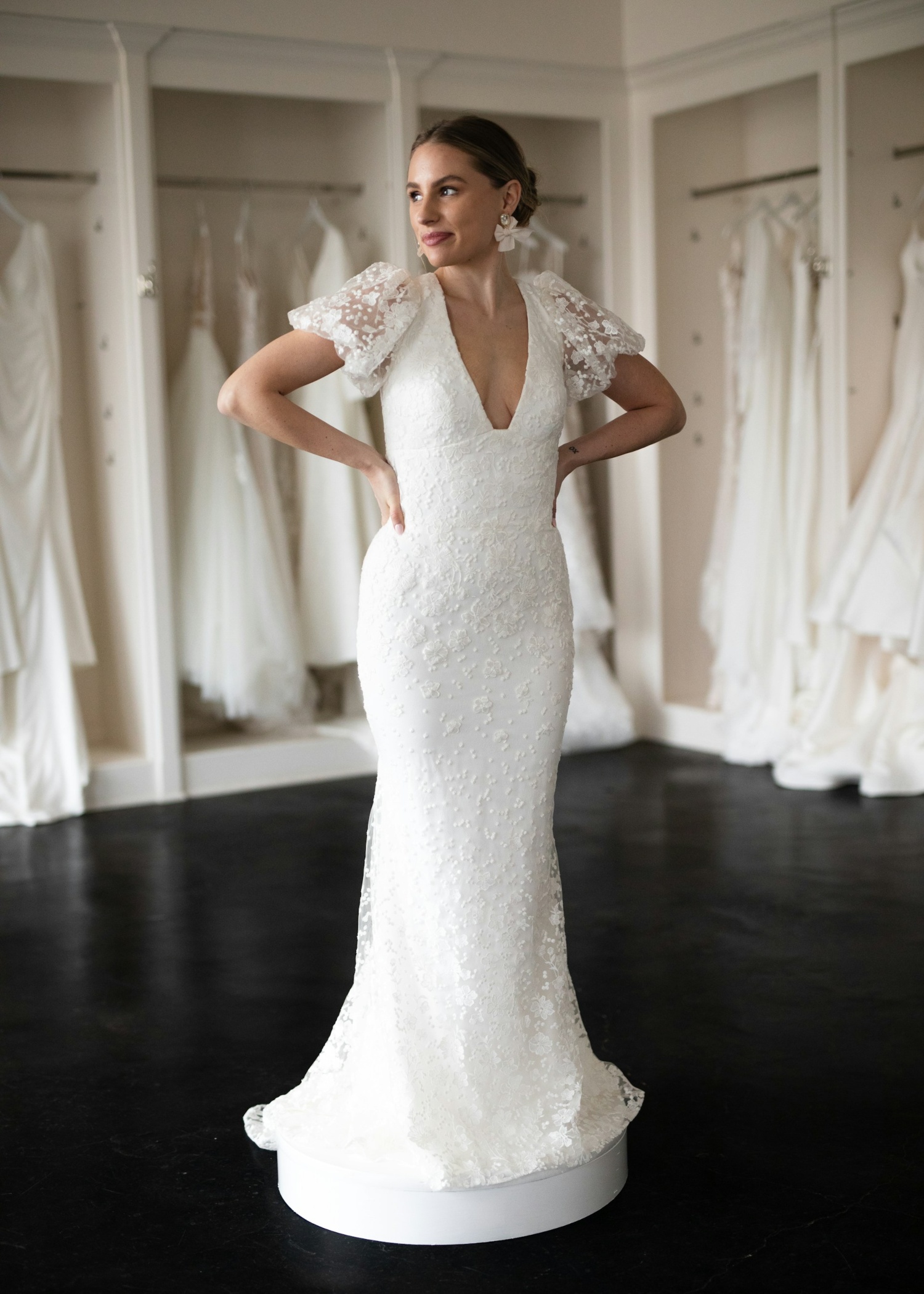
Necklines shape how necklaces and earrings read visually. A high neckline often calls for a different necklace length than an open or strapless style would. Hairstyle matters just as much: updos expose the ears and neck, putting earrings front and center, while loose or textured hair can partially hide hair accessories or create snagging points. Heavily embellished clothing tends to benefit from simpler accessories, whereas a plain outfit can carry more noticeable detail. It’s worth checking the full look in photographs rather than trusting a mirror alone, since cameras capture angles and lighting differently than the eye does.
Choose Accessories According to Proportion and Visual Balance
Scale matters more than people often realize. An accessory’s size should relate to facial features, hairstyle, clothing details, and even the venue itself. Oversized pieces can overwhelm a look, while very small ones risk disappearing entirely in photographs. Wearing multiple statement pieces at once often means they compete for attention instead of working together. Picking a single focal point—earrings, a necklace, a hair adornment, or a bracelet—tends to produce a cleaner, more intentional result. A heavily detailed neckline, for instance, often pairs well with a simple earring silhouette, while a minimalist dress can support one distinctive accessory rather than several fighting for notice.
Quick styling check:
– What is the focal point?
– Does the accessory repeat or balance an outfit detail?
– Will it remain comfortable for several hours?
Prioritise Comfort and Wearability
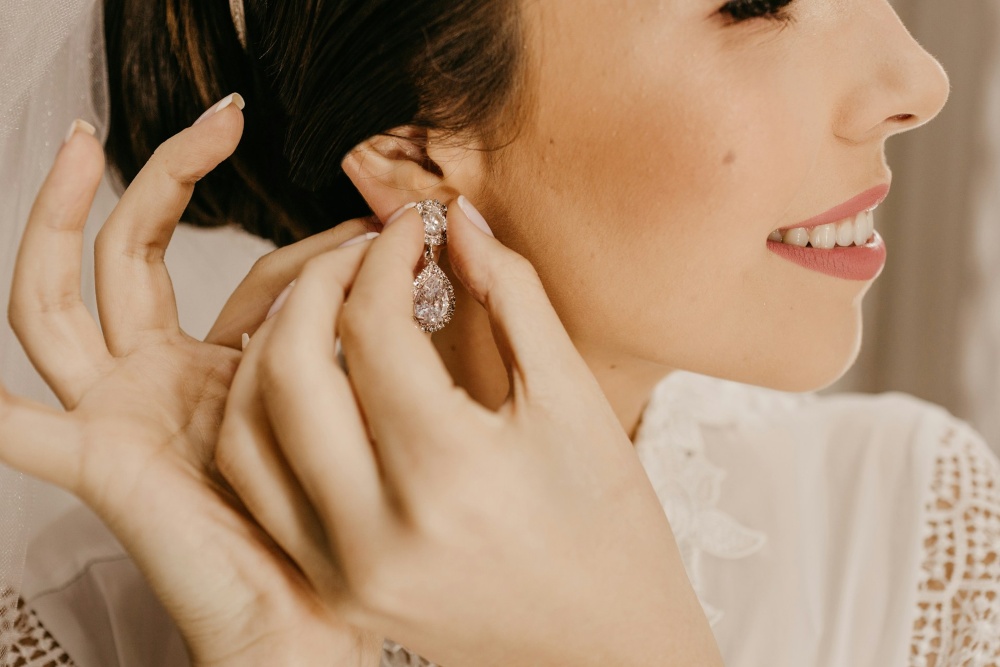
Wedding accessories are often worn for many consecutive hours, so weight, fastening security, movement, and skin contact all matter more than they might seem to at first glance. Test accessories before the wedding by wearing them at home for a stretch of time—walking around, sitting, turning your head, even practicing a few dance moves. Check whether clasps, posts, combs, or pins hold up under that kind of movement. Textured fabrics, veils, lace, and loose hair can all create snagging risks worth anticipating. It’s common for an accessory that felt perfectly fine during a short fitting to become uncomfortable after several hours of wear, particularly earrings with heavier drops or hairpieces anchored in thin hair. Carrying simple backup supplies—spare fasteners, a small pouch, a few extra hair pins—can keep a minor issue from turning into a disruption.
Check Materials and Skin Sensitivity
Metal composition matters, especially for anyone with sensitive skin or a known jewelry allergy. Nickel and cobalt are among the most common culprits behind jewelry-related allergic reactions, which can show up as redness, itching, or irritation at the point of contact, according to dermatological resources such as DermNet. Check material composition directly rather than relying on vague labels like “hypoallergenic,” a term that isn’t regulated or universally defined. Anyone with a history of recurring reactions may want to consult a dermatologist or allergist, since patch testing can help pinpoint a specific metal sensitivity. It’s best to avoid wearing brand-new or untested pieces on the wedding day itself, since reactions can take hours to surface.
Coordinate Metals, Pearls, and Gemstones Thoughtfully
Warm and cool metal tones can shift how an outfit reads overall, though personal preference and the garment’s own metallic details should ultimately guide the decision. Mixed metals can be coordinated deliberately—by repeating both tones elsewhere in the outfit, treating one metal as dominant and the other as a subtle accent, or keeping shapes and finishes visually consistent. For gemstones and pearls, matching color intensity tends to work better than chasing an exact color match, and surface finish—glossy, matte, translucent, or faceted—affects how pieces interact visually with one another. It’s also worth remembering that appearance and durability are two separate issues; a beautiful piece may still demand careful handling.
Plan for Care, Storage, and Wedding-Day Handling
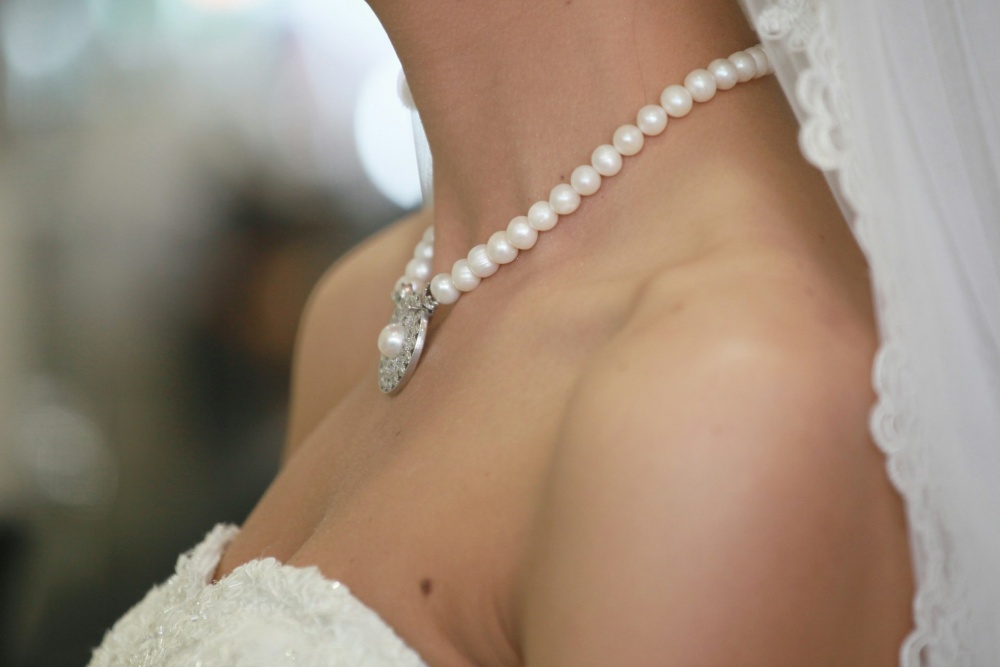
Storing pieces separately in soft pouches or lined compartments cuts down on scratching and tangling. Protect pearls from chemicals, including perfumes, hairspray, and cosmetics, since the Gemological Institute of America notes that pearls are sensitive to acids and harsh substances; wiping them gently after wear and storing them away from rougher materials helps preserve their surface over time. Delicate or frequently worn jewelry may benefit from periodic professional inspection, particularly pieces with settings, clasps, or strung beads. When practical, put accessories on after fragrance, hair products, and makeup are already applied, and remove them before any activity involving moisture or impact. General cleaning advice should never override manufacturer-specific instructions, since the material and construction of a piece determine the safest way to clean it.
Build a Practical Accessory Checklist
A short checklist can make final preparations much simpler:
- Outfit and neckline
- Hairstyle and veil
- Main focal accessory
- Metal and material compatibility
- Comfort testing
- Fastening security
- Storage and transport
- Backup components
Photographing the complete outfit in both natural and indoor lighting, then reviewing it from the front, side, and while seated, often reveals details a quick glance in the mirror misses entirely.
Final Perspective: Make the Complete Look Work in Real Life
Successful wedding styling comes down to coordination, proportion, comfort, material awareness, and proper care all working together rather than any one element carrying the look on its own. Accessories should support confidence and movement, not demand constant adjustment throughout the day. Testing the complete combination in advance—both visually and physically—remains the most reliable way to avoid surprises. The accessories that work best are the ones that look intentional in photographs and still feel just as comfortable by the end of the celebration.
For more on the latest in luxury fashion and style reads, click here.
The post The Art of Choosing Wedding Accessories That Last Beyond the Aisle appeared first on LUXUO.

