8 Furniture Highlights from Salone del Mobile 2026
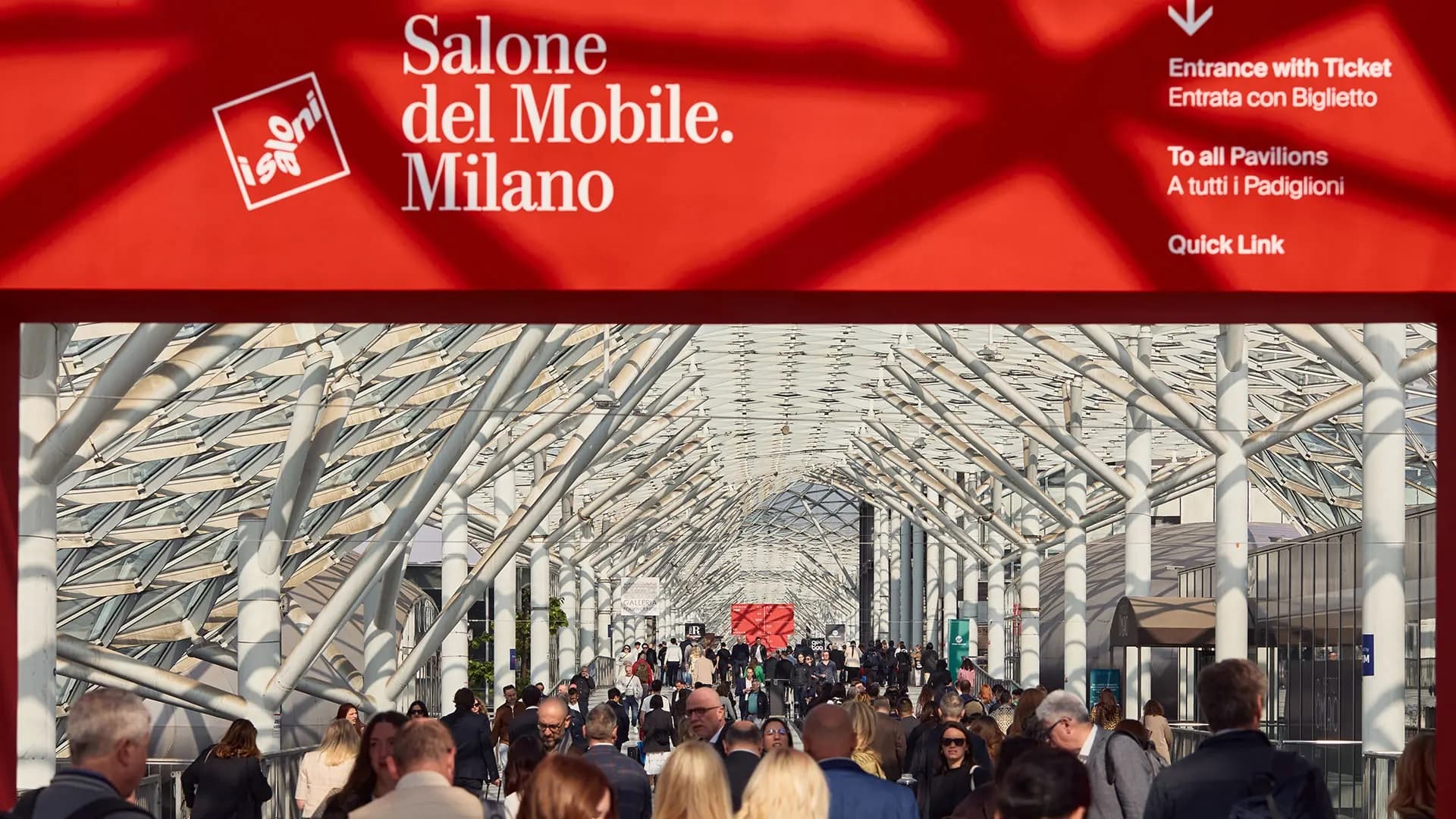
The 64th edition of the Salone del Mobile (21 to 26 April 2026) notched up 316,342 visitors from 167 countries, with international trade visitors holding steady at 68 per cent — a clear signal of the fair’s role as a concrete business development lever amidst global market instability. This is a clear indication of the fair’s function as a tangible lever for corporate development in the face of unstable global markets. 1,900 brands from 32 nations showcased a competitive and adaptable industrial ecosystem over six days.
A selection of standout designs from eight leading international furniture houses captured LUXUO’s attention. The presentations offered a nuanced study in contemporary living, spanning material innovation, modular systems and experimental textile approaches. Below are key highlights from some of the most notable launches in the furniture sector.
Minotti: Sculptural Reduction by Hannes Peer
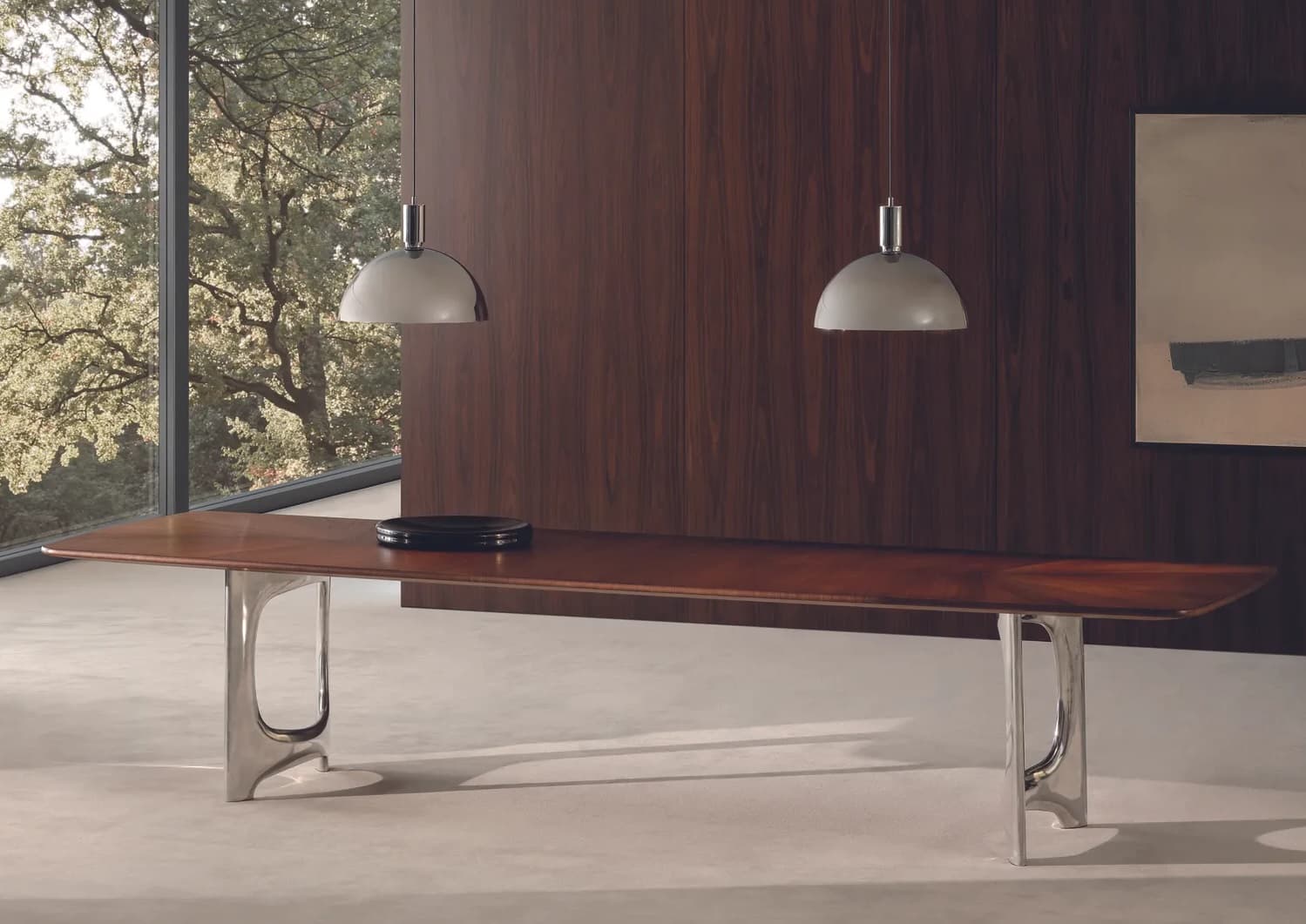
Minotti “Blaine” table with its cast aluminium base. Image: Minotti.
Minotti introduced the “Blaine” table — a design that contrasts industrial precision with an organic sensibility. Conceived by architect Hannes Peer, the piece features a cast aluminium base with a finely carved opening that references the work of Henry Moore.
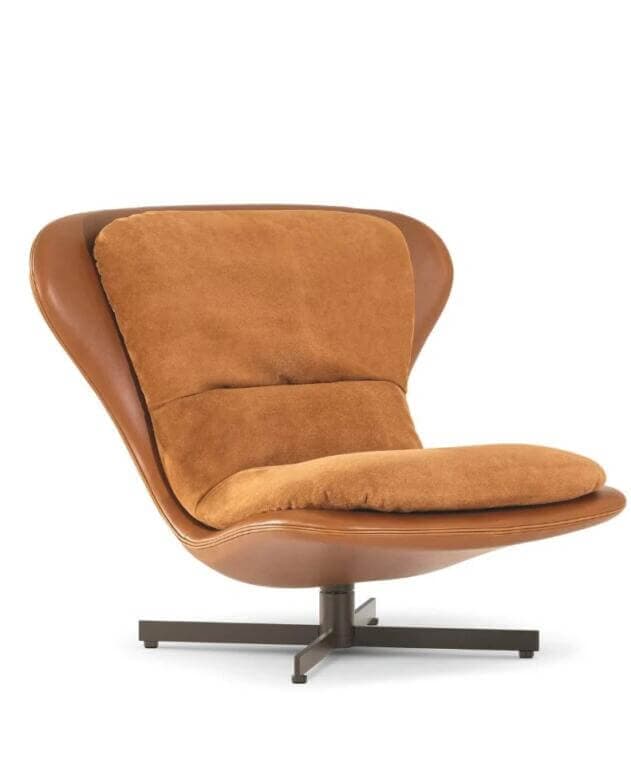
Minotti “Elas” chair by architect Hannes Peer. Image: Minotti.
Developed through the Minotti atelier’s rigorous design process, it resolves into a trestle-like structure topped with either marble or marquetry wood and finished in painted or polished metal. Marcio Kogan’s “Elas” chair family for MK27 Studio introduces fluid, feminine forms designed for residential interiors.
Moroso: Chromatic Weaving and the M’Afrique Evolution
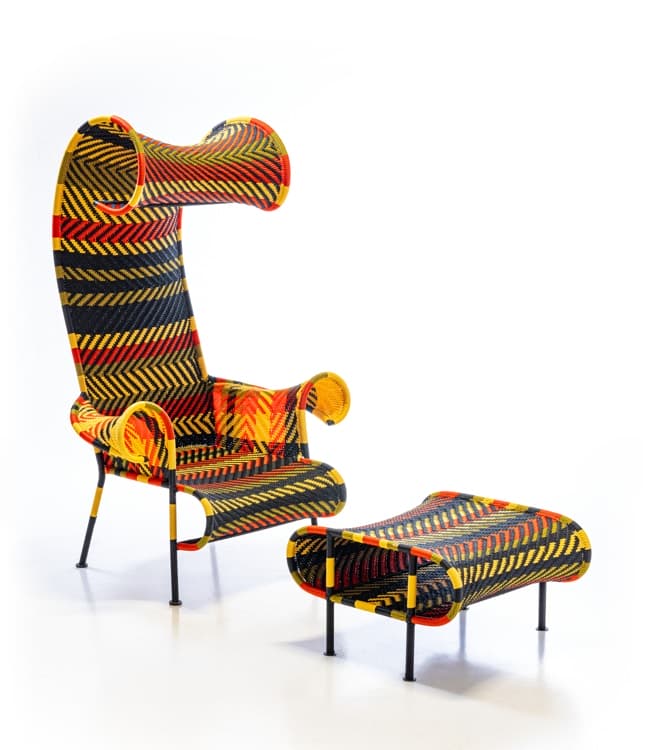
With the development of the “M’Afrique” series, Moroso transformed craft into colourful architecture. Vibrant, saturated gradients were used to recreate Tord Boontje’s work — particularly the “Shadowy” chair — under Patrizia Moroso’s guidance. Dakar craftspeople weave surfaces that function as “living filters”, projecting dynamic geometric shadows, using plastic strands that are often used for fishing nets. This is more than just upholstery; colour is considered a structural component of the architecture.
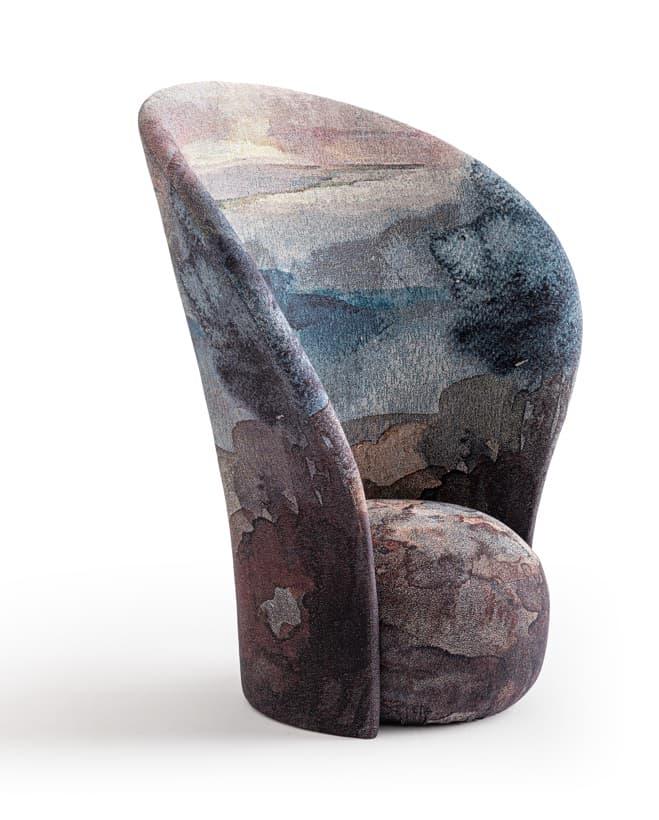
The “Diorama” armchair, designed by Front for Moroso. Image: Alessandro Paderni.
Louis-Jacques-Mandé Daguerre’s 1822 theatrical diorama is transformed into useful furniture through the eyes of Swedish design studio Front for Moroso’s “Diorama” armchair. Instead of just viewing, the surface opens like a painted landscape, giving the impression that one is seated inside an image. Despite the lack of real depth, the eye focuses on a broad horizon from the front. The armchair becomes a gentle architectural limit from the back thanks to an exceptionally tall backrest. A sophisticated reversal takes place as the viewer is seated: the surrounding individuals, light and the room itself change into a new, reflective backdrop, and the viewer becomes part of the scene.
B&B Italia: The Essentialist Return with Formafantasma
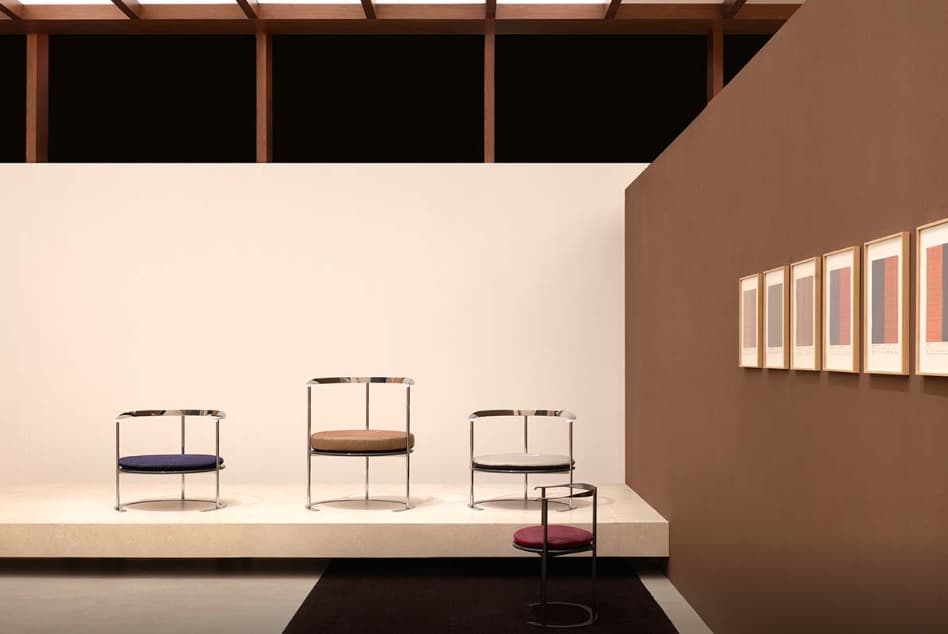
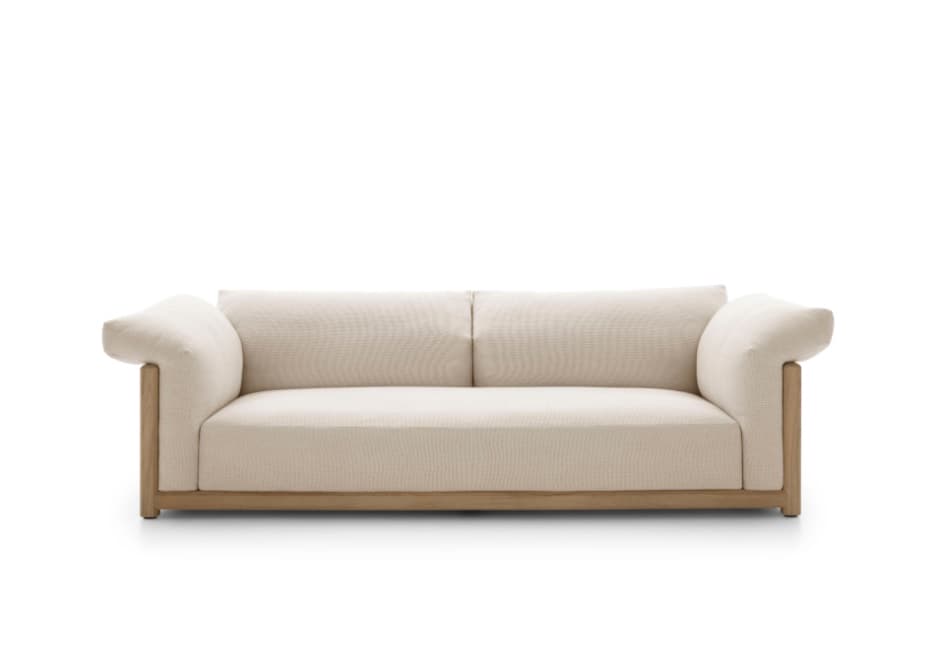
Left: Luigi Caccia Dominioni’s “Catilina” chairs in limited edition pieces. Image: B&B Italia. Right: Vincent Van Duysen’s “Untitled” sofa design. Image: B&B Italia.
B&B Italia made a powerful comeback to the fair with a Formafantasma-designed booth that removed the domestic narrative of its previous showcases to allow the pieces on display to breathe. The main product was Vincent Van Duysen’s “Untitled” sofa system, which balances Nordic rigour with Mediterranean ease by using exposed structural frameworks to hold soft cushions without hiding them.
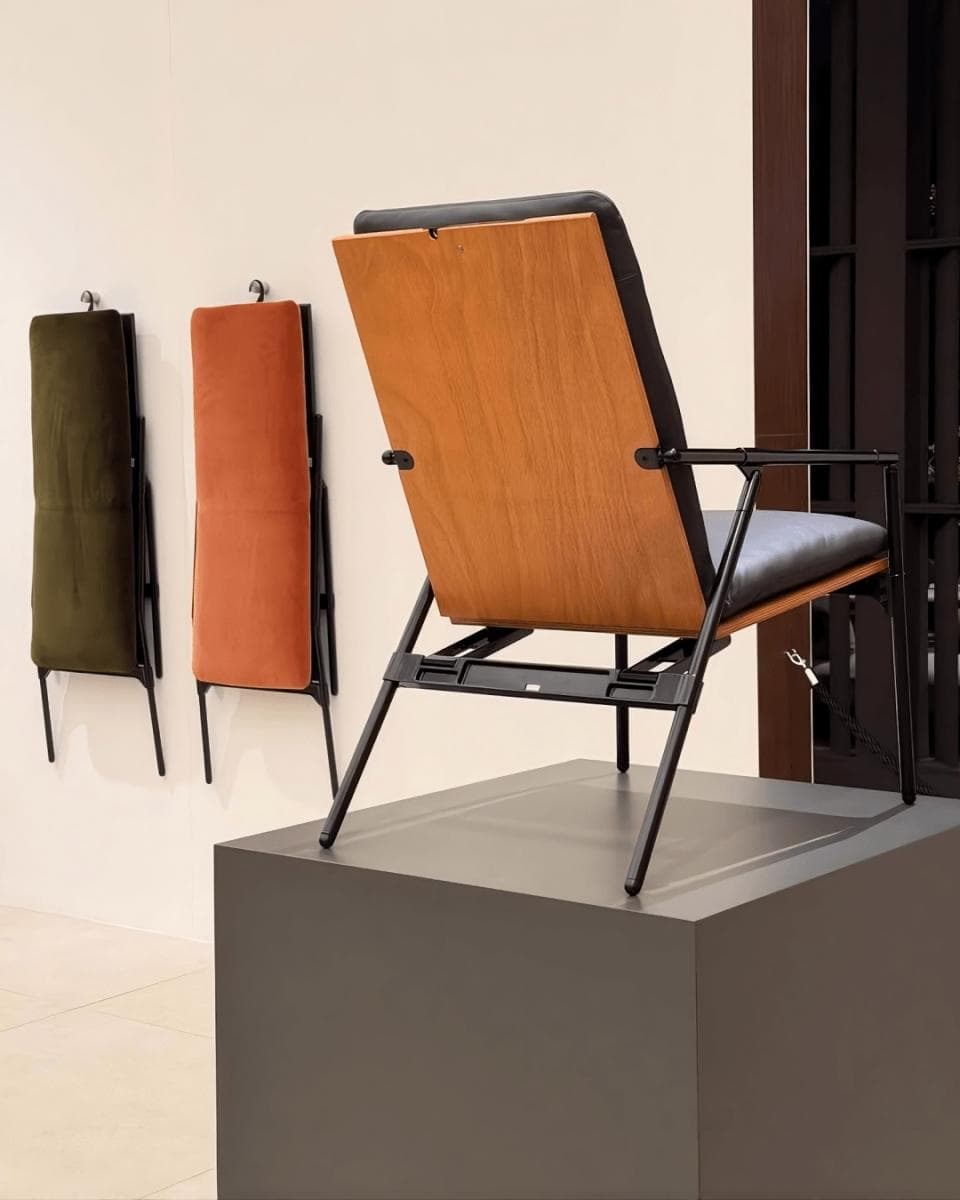
Richard Sapper’s folding “Nena” chair — designed in 1984 – made a comeback at Salone 2026. Image: B&B Italia.
The same unvarnished honesty holds for the outdoor version. Also making a comeback is Richard Sapper’s folding “Nena” chair, praised for its clever design and small storage. Additionally, Luigi Caccia Dominioni’s “Catilina” was reprinted in a limited edition with fabrics created in collaboration with artist Willem Cole, demonstrating that in 2026, the loudest luxury is signified by silence and archival reverence.
Baxter: Lithic Sculpture and the Silhouette of Narciso Sofa
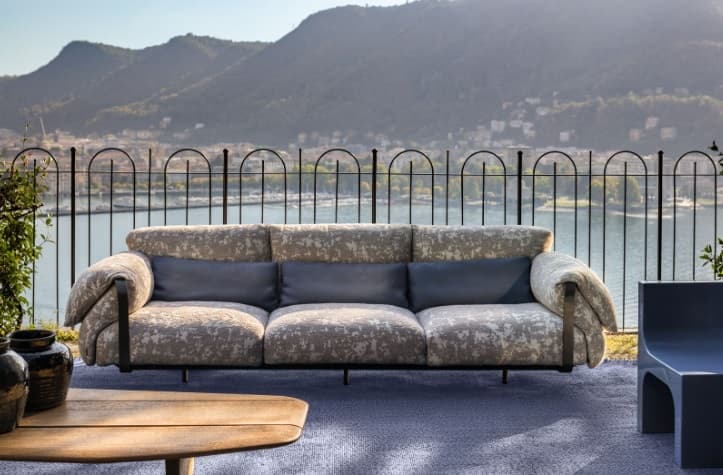
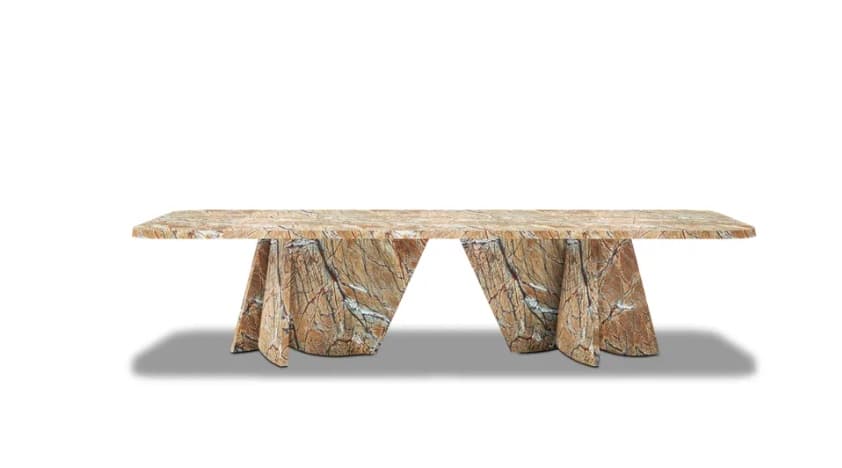
Left: Studiopepe’s “Narciso” outdoor sofa. Image: Baxter. Right: Christophe Delcourt’s “Zaho” table. Image: Baxter.
Baxter placed emphasis on the narrative potential of geological creation using Christophe Delcourt’s “Zaho” table. The art honours the Grove marble, a material known for its intricate topographies of ochre, tobacco brown and milky white veins. It is named after the Arabic term for brilliance. The engineering is what makes this piece unique: the legs unfold like book pages to create an architecture that resembles a corolla and seems both massive and weightless. Baxter also unveiled Studiopepe’s “Narciso” sofa for the outdoor section. Its soft, folding backrest — which envelops the body “like a wing” — is its unique selling point. The seating system is supported by a sturdy, weather-resistant steel construction. The design transfers Baxter’s skill in leather into textile-rich outdoor living by emphasising a warm, welcoming silhouette for outdoor settings.
Cassina: Material Intelligence and the Outdoor Oasis
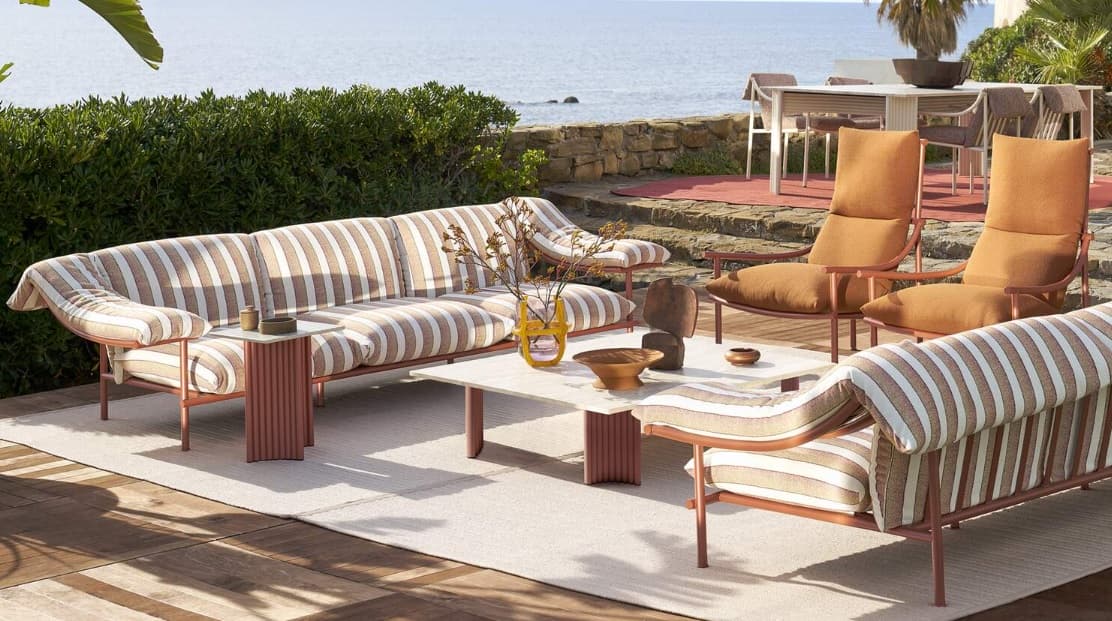
Left: Patricia Urquiola invented the “Ardys” couch system. Image: Cassina. Right: “Vidalenta” outdoor sofa system designed by Patricia Urquiola. Image: Cassina.
2026 was characterised by material information under the heading of “The Cassina Perspective.” Patricia Urquiola invented the “Ardys” couch system, which features large modules with duvet-like textures created by visible stitching. Urquiola also introduced “Vidalenta” for the “Oasis of Now” outdoor collection, a system in which soft padding contrasts strongly with metal tubing that functions as a modern bamboo. The reproduction of Verner Panton’s “Peacock Chair” through the Karakter partnership, however, was the brand’s standout item. The chair is made of stainless-steel mesh with seven fabric cushions, creating a shadow play that changes the mood of the space.
Arflex: The Language of Fluidity
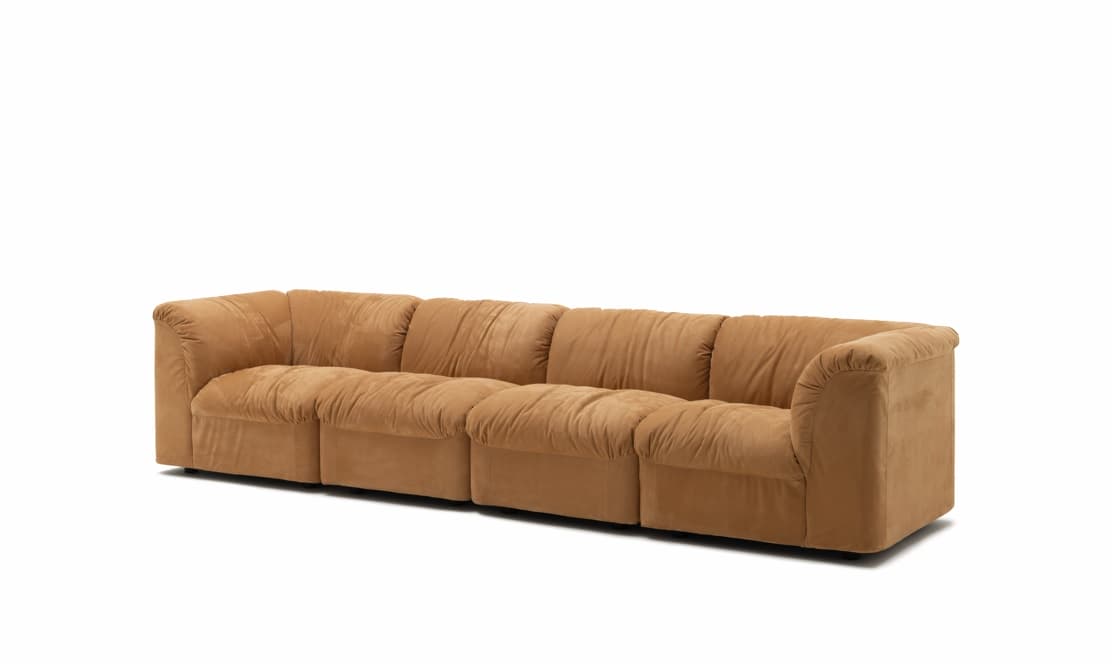
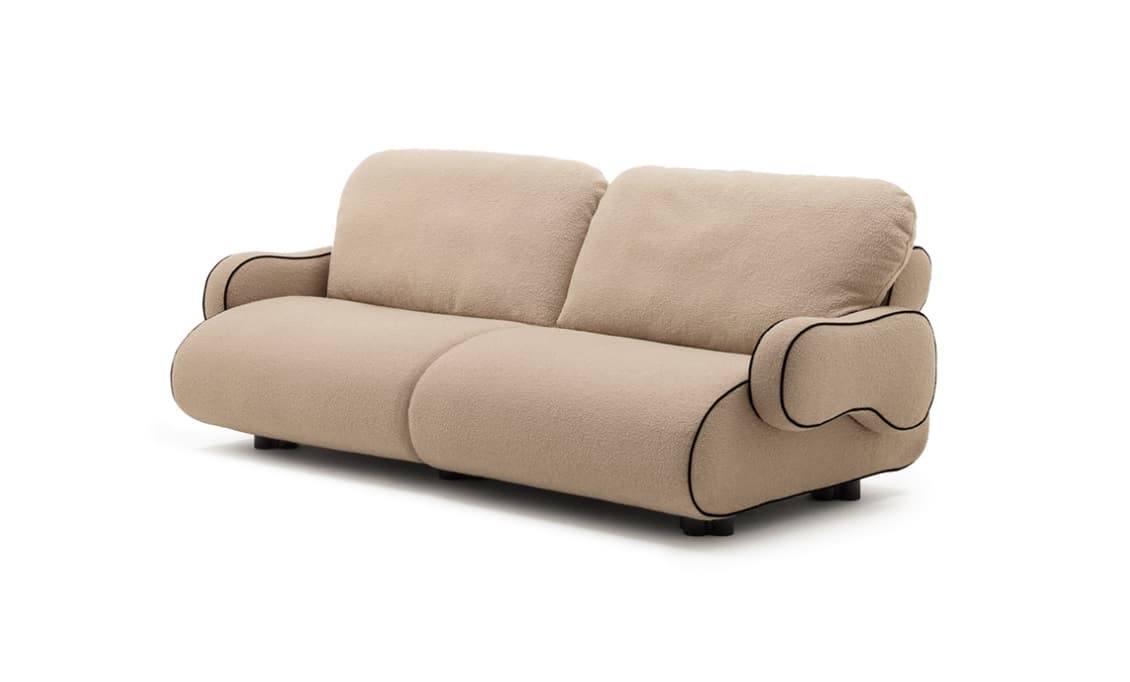
Left: Tito Agnoli’s “Deca” sofa for Arflex returns in 2026. Image: Arflex. Right: “Treboli” sofa designed by Jaime Hayon offers a design inspired by a four-leaf clover. Image: Arflex.
Arflex’s emphasis on suspended structures and flowing forms carried on its Italian radical heritage. To attain ergonomic perfection without hard frames in 2026, the brand relied on using varying densities of polyurethane and the textiles used for upholstered items gravitated toward raw, natural fibres. One of the most notable features is the “Treboli” sofa system created by Jaime Hayon, in which the luxurious sofa is shaped like a four-leaf clover, an intentional organic geometry that supports the occupant. The “Deca” sofa — created by Tito Agnoli in 1969 — is another iconic piece of 1970s design that Arflex brought back from its vaults. Its re-edition model is a modern reaction to a new way of life rather than merely a sentimental endeavour. Its seats are roomy and inviting to the body; they are tactile, soft and enveloping. This sofa is a body without excess, a well-balanced seat that promotes and fosters social interaction. Design enthusiasts who value the “invisible engineering” of comfort with a solid architectural form while guaranteeing endurance in high-traffic residential areas should check out Arflex’s 2026 collection.
Molteni&C: The Beauty of Tension and Holistic Living
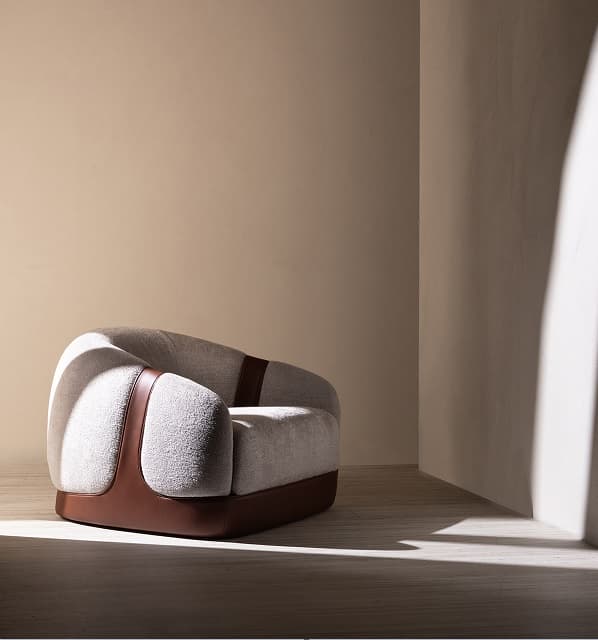
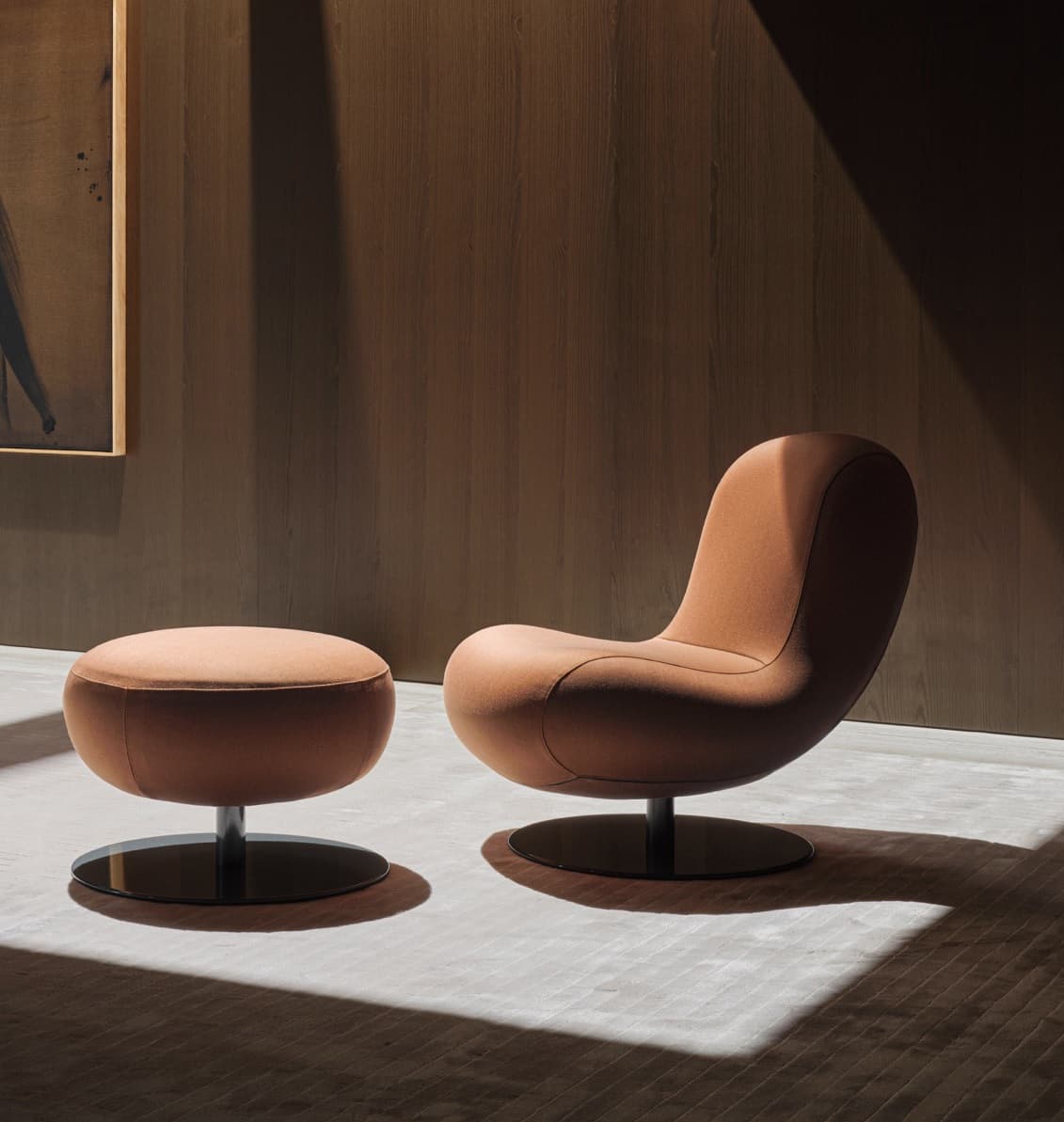
Left: Cristián Mohaded’s “Corsetto” armchair. Image: Molteni&C. Right: Naoto Fukasawa’s “Bosco” armchair. Image: Molteni&C.
Molteni&C promoted the “Holistic Home”, a way of living that accommodates various purposes. Cristián Mohaded’s “Corsetto” armchair was the main attraction. Its structure of “silent tension” — generous, inflating volumes of seat and back seemingly strapped within a constrictive leather “corset” frame, seeming to breathe yet held firm — is its distinctive selling feature. Molteni’s design legacy is exemplified by the hidden joints and fine leather craftsmanship. Naoto Fukasawa’s “Bosco” armchair is accompanied by a seat that invites repose. Its smooth, generous volume and delicately separated contours imitate the winding landscapes of Tuscany, known for its mild hilly topography. Its bulbous shape is inspired by large volumes that naturally support the body, giving the sitter a luxurious, soothing embrace.
Moooi: Provocative Textures and 25 Years of Imagination
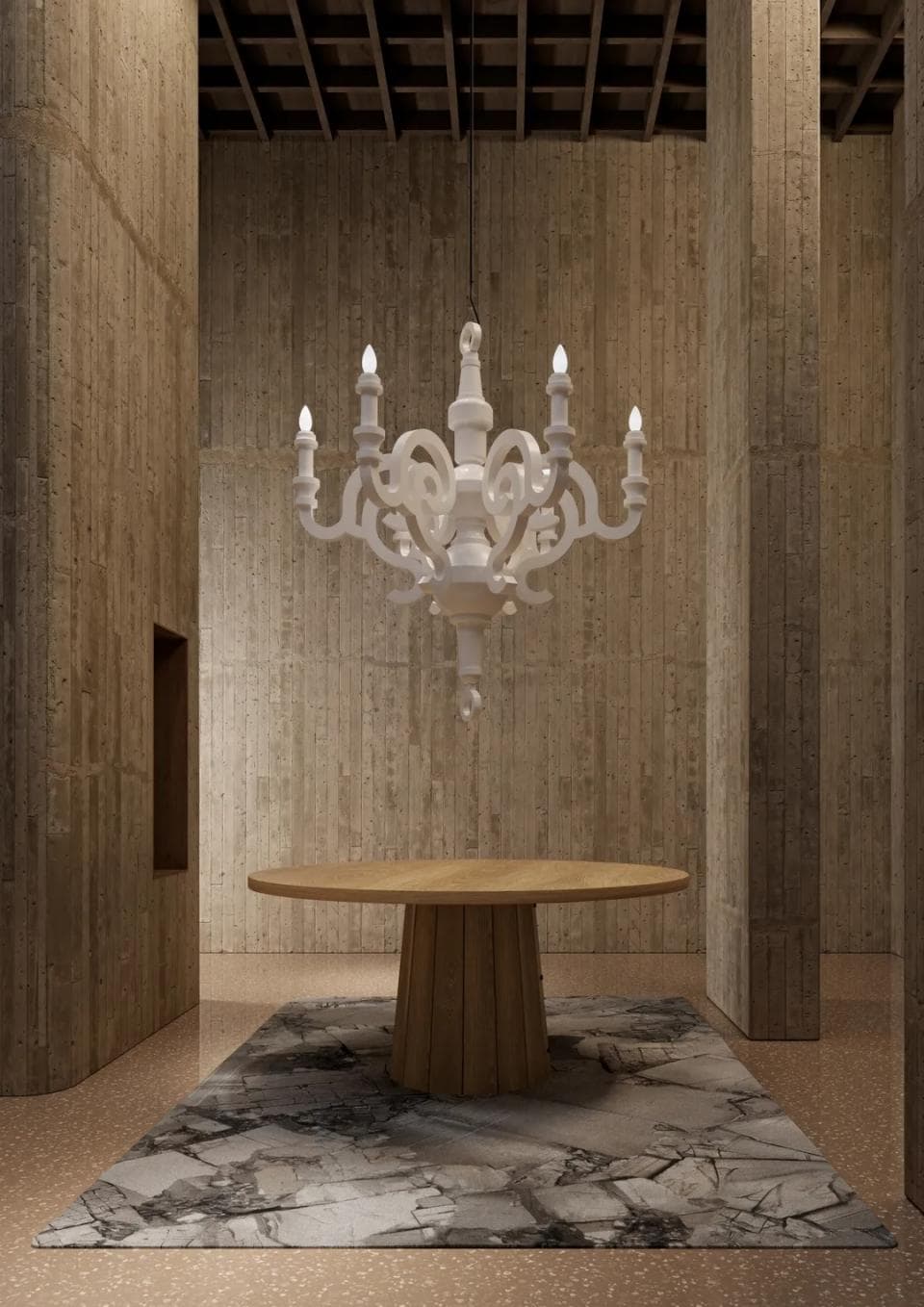
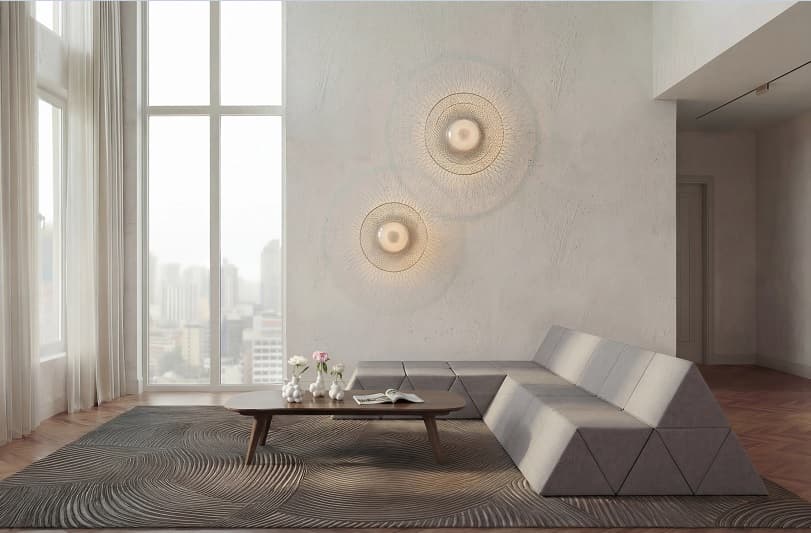
Left: Studio Job’s iconic “Paper Chandelier” — designed in 2005 — gets a version 2.0, all thanks to an integrated LED and 3D-printed frame. Image: Moooi. Right: Yves Béhar’s “Peaks” sofa is made from triangular upholstered modules. Image: Moooi.
Moooi went “raw, rough, and reflective” with a silver-hued installation to commemorate 25 years. Kilian Vos’s “Future Fossils” carpet line employs generative computer graphics to produce algorithmic textures that mimic artificial geology. The “Monumental Moments” wallcovering with ARTE — which features the “Crown Mammoth” in embossed plaster and silver leaf — stands out, though. Yves Béhar’s “Peaks Sofa”, which is also available at Moroso and represents the designer’s crossover year — was the most popular piece of furniture. Usability is crucial: triangular modules can rotate from flat surfaces to structured backrests thanks to concealed zippers and hinges. Studio Job’s “Paper Chandelier 2.0” revives a classic with an integrated LED and 3D-printed skeleton.
Masterful Finale
The furniture industry’s focus at Salone del Mobile 2026 has moved beyond innovation for innovation’s sake. Instead, the most compelling work is defined by material honesty and restraint. This intent was consistent across presentations, whether in Cassina’s duvet-stitch detailing applied to rigid frames, Minotti’s cast aluminium table that evokes carved stone or B&B Italia’s calibrated approach to elegance and archival reissues. Across the fair, design demonstrated a growing appetite for intellectual rigour, where pieces often required closer reading to understand the logic behind a carpet’s construction, the cultural resonance of a tassel or the engineering of structural tension. In this context, experience — rather than visual impact alone — emerged as the defining luxury of the week.
For more home decor reads, click here.
The post 8 Furniture Highlights from Salone del Mobile 2026 appeared first on LUXUO.