Opinion: When the Numbers Undercut the Tesla Narrative
The electric car manufacturer posted results above expectations. But the analysis reveals eroding profitability, abandoned promises and a USD 1.4 trillion valuation that defies logic.
Markets cheered. After publishing its quarterly results, Tesla saw its stock jump 7 percent. A perfect “double beat”: revenue and earnings above forecasts. Yet behind this euphoria lies a far less reassuring accounting reality.
The Illusion of Profitability
Tesla reports USD 0.41 earnings per share in “adjusted” figures. But these figures exclude more than USD 1 billion in stock-based compensation — a very real expense that dilutes existing shareholders.
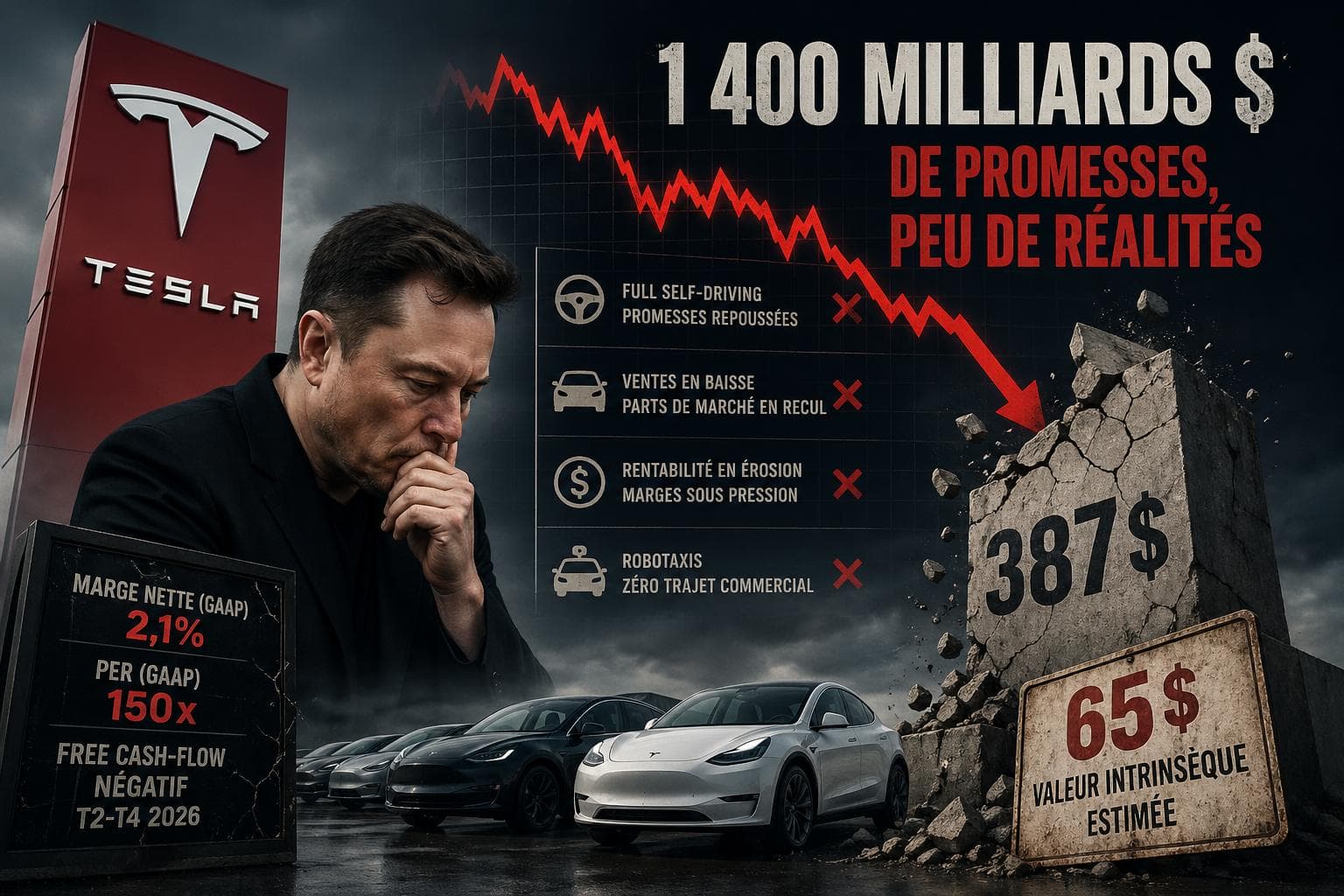
Under standard accounting, the one that really matters, net income stands at USD 477 million on USD 22.4 billion in revenue. That is a margin of 2.1 percent. A figure to put into perspective: General Motors posts 5.2 percent, Toyota exceeds 8 percent, Ford holds around 6 percent. The disruptor supposed to revolutionise the auto industry generates less profit than the “dinosaurs” it claims to make obsolete.
With a USD 1.4 trillion market capitalisation, Tesla trades at 150 times its real earnings. Toyota trades at 10 times, Apple at 28 times. Even for a technology growth stock, the multiple appears absurd.
The Betrayal of Full Self-Driving
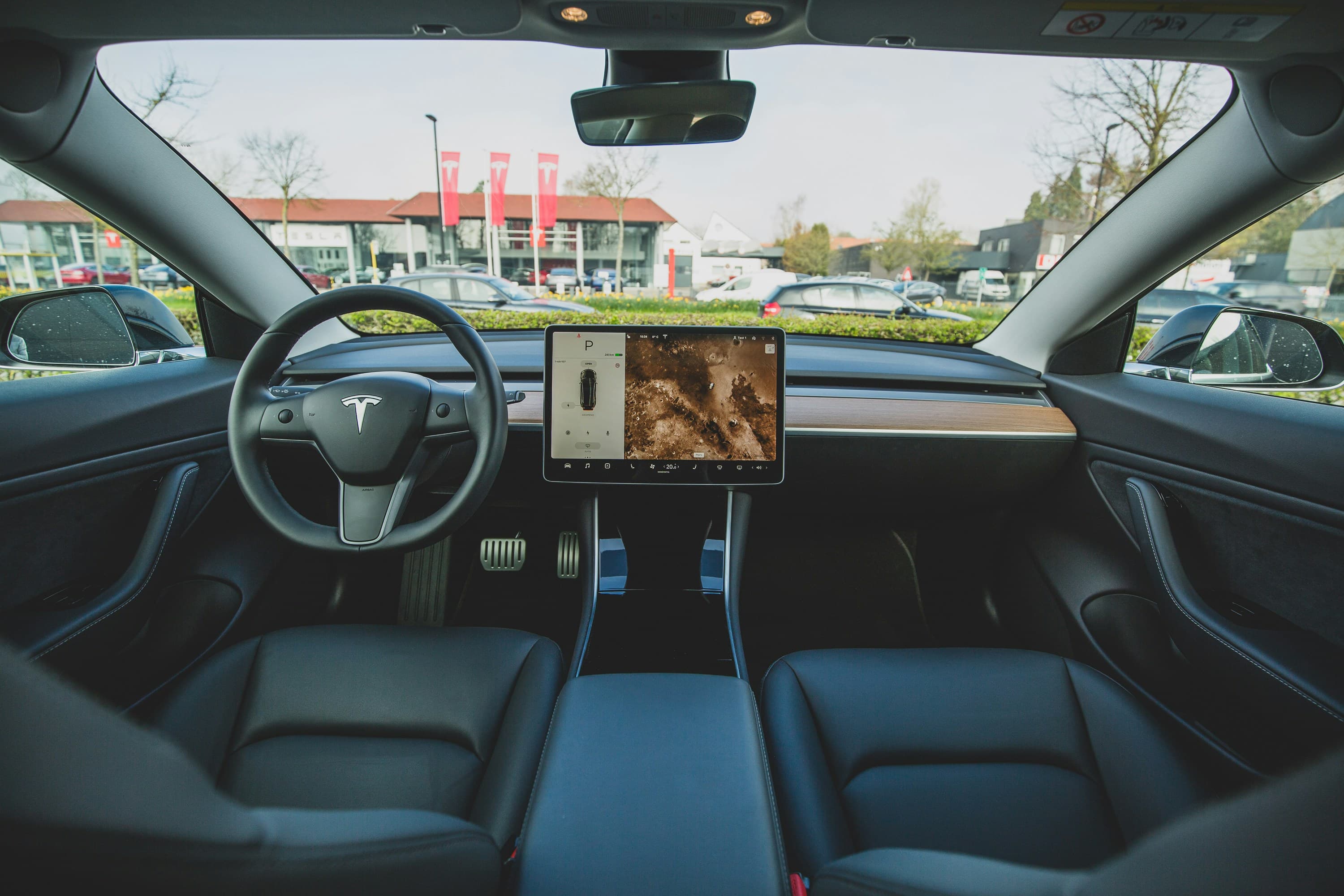
On April 22, Elon Musk dropped a statement that amounts to an admission: “Hardware 3 simply does not have the capacity to achieve unsupervised autonomous driving. I wish it did.”
Four million Teslas are running on this Hardware 3. Hundreds of thousands of owners paid between USD 8,000 and USD 15,000 for the famous FSD, based on a promise repeated for seven years: the onboard hardware was sufficient, only software updates were missing.
That is false. Hardware 3 has memory bandwidth eight times lower than Hardware 4 deployed since late 2023. This limitation is hardware-based, irreversible. Impossible to fix with software.
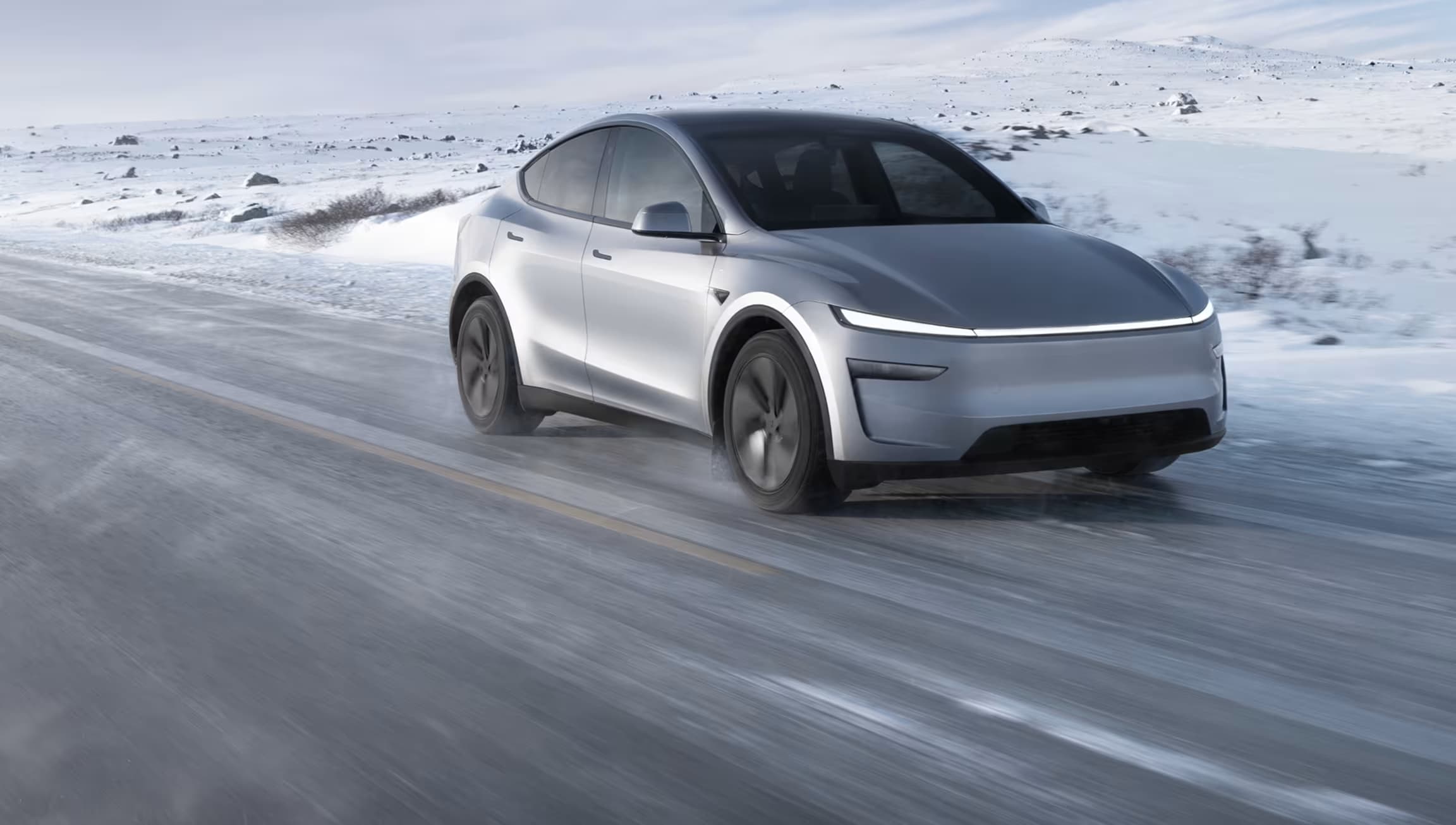
Tesla offers two solutions: a trade-in with a discount to buy a new vehicle, or a retrofit in specialised “micro-factories” capable of processing one thousand vehicles per day. At that pace, it would take eleven years to upgrade the existing fleet.
According to internal documents revealed by Reuters, 285,000 owners purchased FSD on Hardware 3 vehicles. At USD 10,000 per package, legal exposure reaches USD 2.85 billion. A class action filed in 2022 in California, still pending, could open the door to claims.
The FSD v14.3 version, supposed to bring extended supervised autonomous driving, has just been pushed back to the fourth quarter of 2026. This date has already been delayed five times since the initial announcement in 2020.
The Automotive Business Falters
Car sales, the group’s historical core, are showing worrying signs. Tesla reports 50,000 unsold vehicles in inventory in the first quarter, or 27 days of inventory — unseen since 2019.
In California, a key market historically representing 30 percent of U.S. sales, registrations have dropped 24.3 percent year over year. Tesla’s market share in California electric vehicles has fallen from 9.2 percent to 7.7 percent in twelve months.
To clear inventory, the group had to grant average discounts of USD 6,200 per vehicle, compared to USD 2,100 a year earlier. This price war mechanically compresses margins, already under pressure.
At the same time, investments are soaring. Announced at USD 20 billion in March during Investor Day, they were revised to USD 25 billion in April — USD 5 billion more in three weeks, without detailed explanation. The CFO warned: “We anticipate negative free cash flow for quarters 2 to 4 of 2026.” In this context, a capital increase becomes difficult to rule out.
Robotaxis: Promise versus Reality
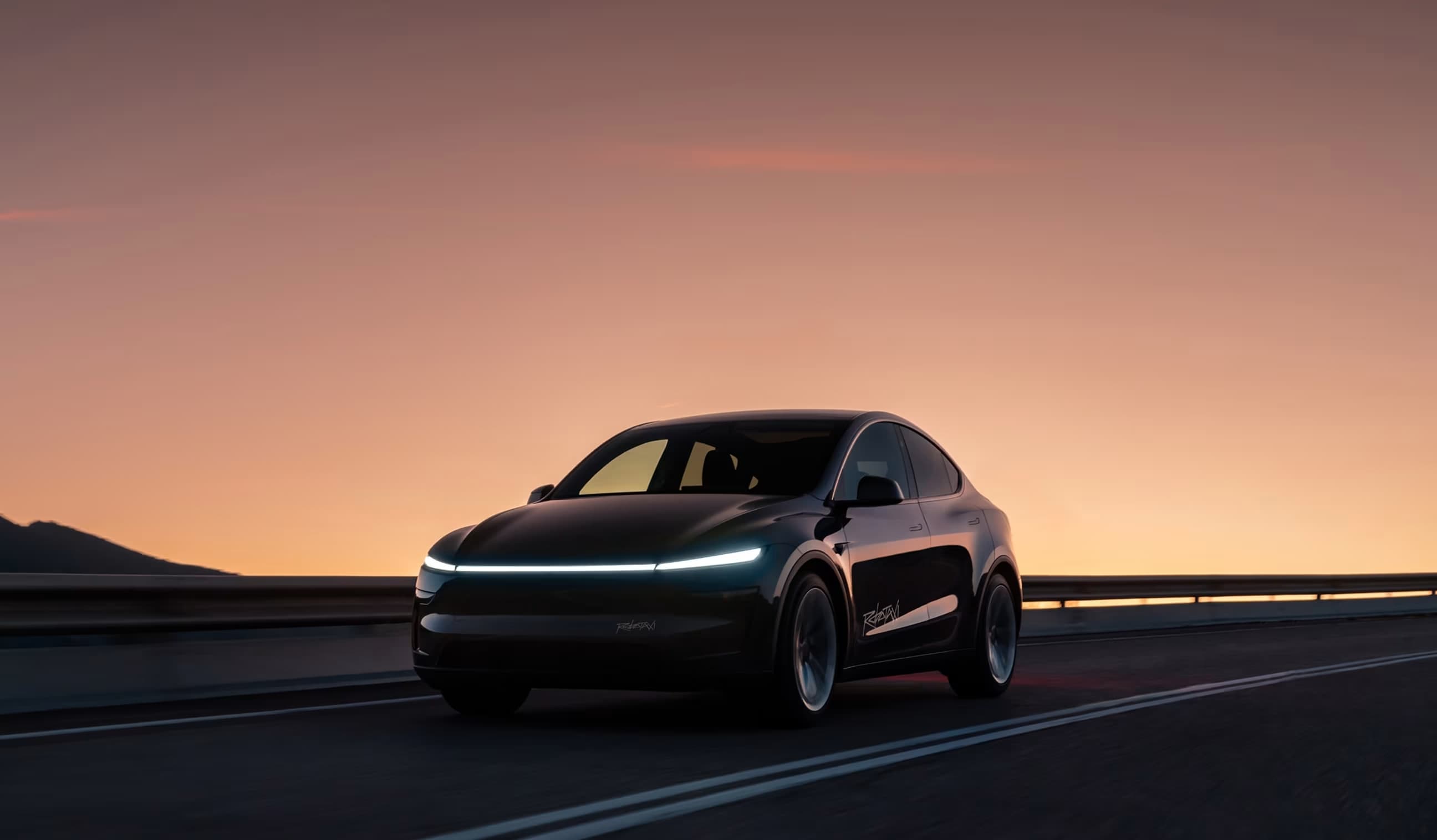
Tesla’s valuation largely rests on two promises: autonomous driving and the deployment of a robotaxi fleet generating massive recurring revenues. Let’s confront this promise with reality.
Waymo, a subsidiary of Alphabet and the only player offering a commercial robotaxi service, completed 15 million paid rides in 2025 and drove 127 million miles in real-world conditions. The service operates in four U.S. metropolitan areas. Valuation after its last funding round: USD 126 billion.
Tesla, for its part, shows zero billed commercial rides, zero miles in deployed robotaxi service. Prototypes have been presented at private events, but no public access exists.
A conservative valuation, based on discounted future cash flows and generously incorporating robotaxi, energy and services projects, would place Tesla’s intrinsic value around USD 65 per share. The stock trades at USD 387. The gap is 1 to 6.
A Story that Never Materialises
Markets tolerate missed promises when fundamentals remain solid. Tesla has neither. Profitability is deteriorating, technological commitments are broken, market share is declining, and cash is tightening.
What investors are paying for at USD 1.4 trillion is neither a profitable car company nor a proven technology. It is a story whose promised chapters never materialise, backed by fundamentals that are visibly eroding, quarter after quarter.
The question is no longer whether Tesla is worth its valuation. It is how much longer the market will accept paying for thin air.
A version of this article was first published on michelsanti.fr
For more on the author, Michel Santi and his exclusive opinion pieces like this one, visit his website here: michelsanti.fr
For more on the latest in global economic and business reads, click here.
The post Opinion: When the Numbers Undercut the Tesla Narrative appeared first on LUXUO.