Common Electrical Maintenance Issues and How to Spot Them
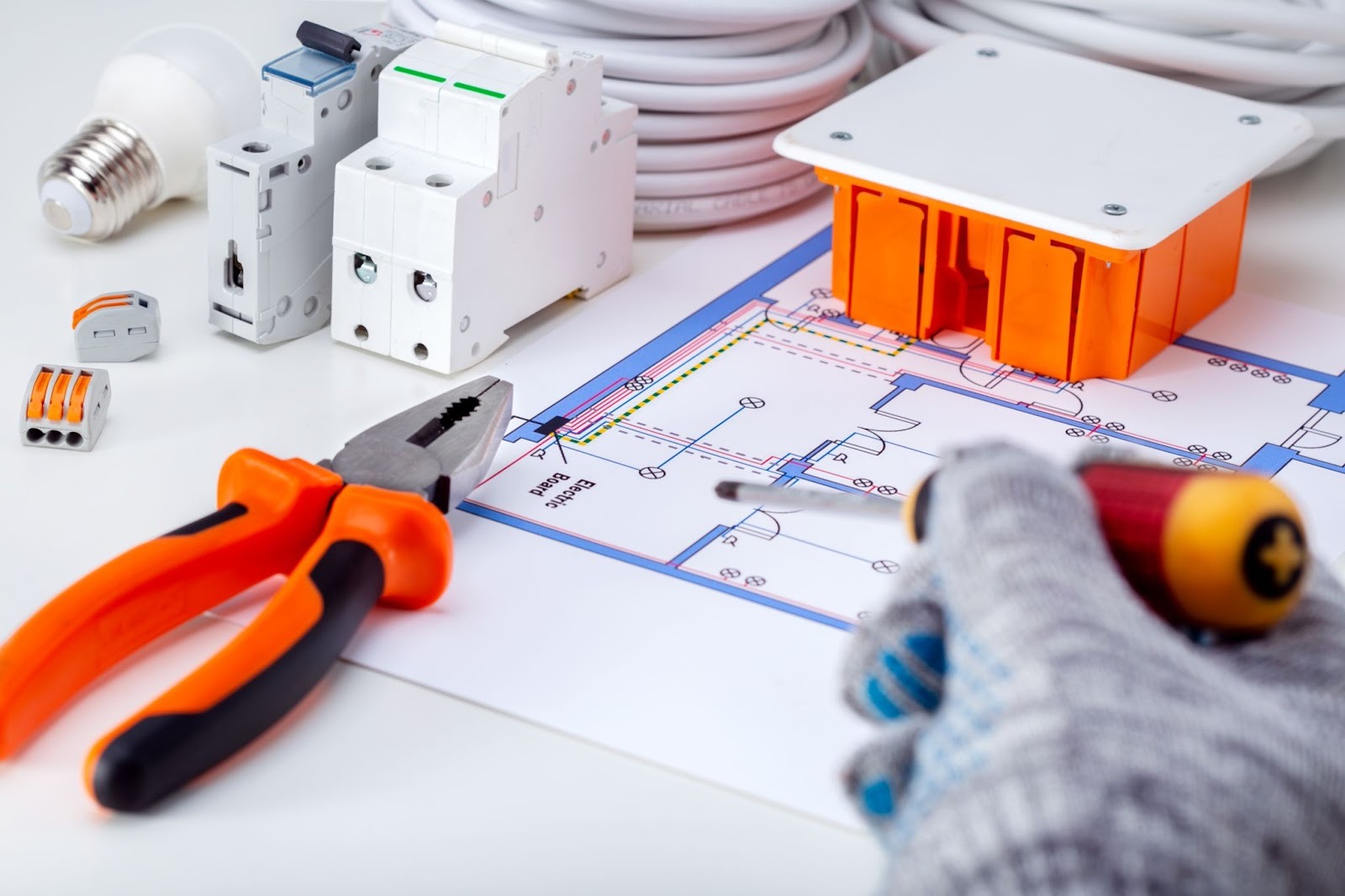
Home ownership is often a game of whack-a-mole. You’re asked to do something else after mowing the lawn or fixing a leak. The most critical aspect is electrical maintenance. A leaking faucet is inconvenient, but a broken wire is hazardous. It’s easy to dismiss the soothing sounds of our appliances, such as the lights and refrigerator, until they fail. Keep an eye on your safe haven so it doesn’t become a fire hazard.
Flickering or Dimming Lights
As you read a book on the couch, the lamp next to you begins to act like it is at a 1990s rave. It’s tempting to dismiss it as a loose bulb. That’s all it is at times. If the flashing continues, you may have more serious electrical concerns.
Air conditioners and treadmills consume a lot of energy. When your refrigerator goes on, the lights flicker due to an overloaded circuit.
Old, deteriorated wiring gets a lot of stress from modern technology. Notably, persistent flickering can also indicate a loose neutral connection, which is a little more ominous and needs to be located by an expert.
Tripped Circuit Breakers
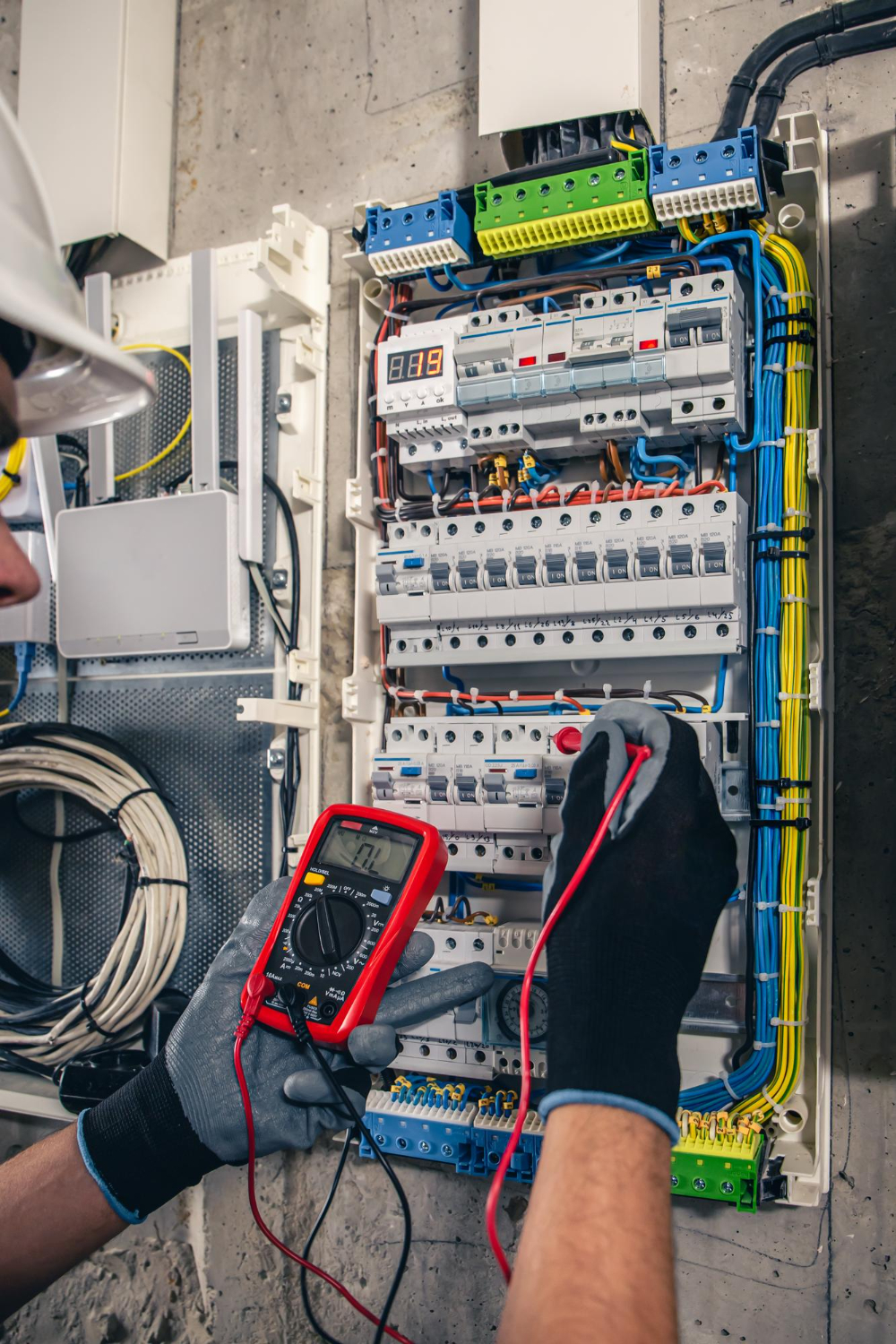
Think of your circuit breaker as a grumpy but necessary bodyguard. Its entire job is to shut things down before they get dangerous. Once in a blue moon, your breaker trips because you plugged in too many hair dryers. However, if you’re going to the garage or basement every other day to flip a switch, you’ve got a problem.
Frequent tripping is one of the most classic electrical maintenance issues. Basically, it means the circuit is pulling more power than it can handle. But heads up: it could also be a short or a ground fault. Don’t flip that breaker if it snaps back off. Your system is telling you there’s a dangerous electrical detour that needs to be fixed.
Outlet or Switch Problems
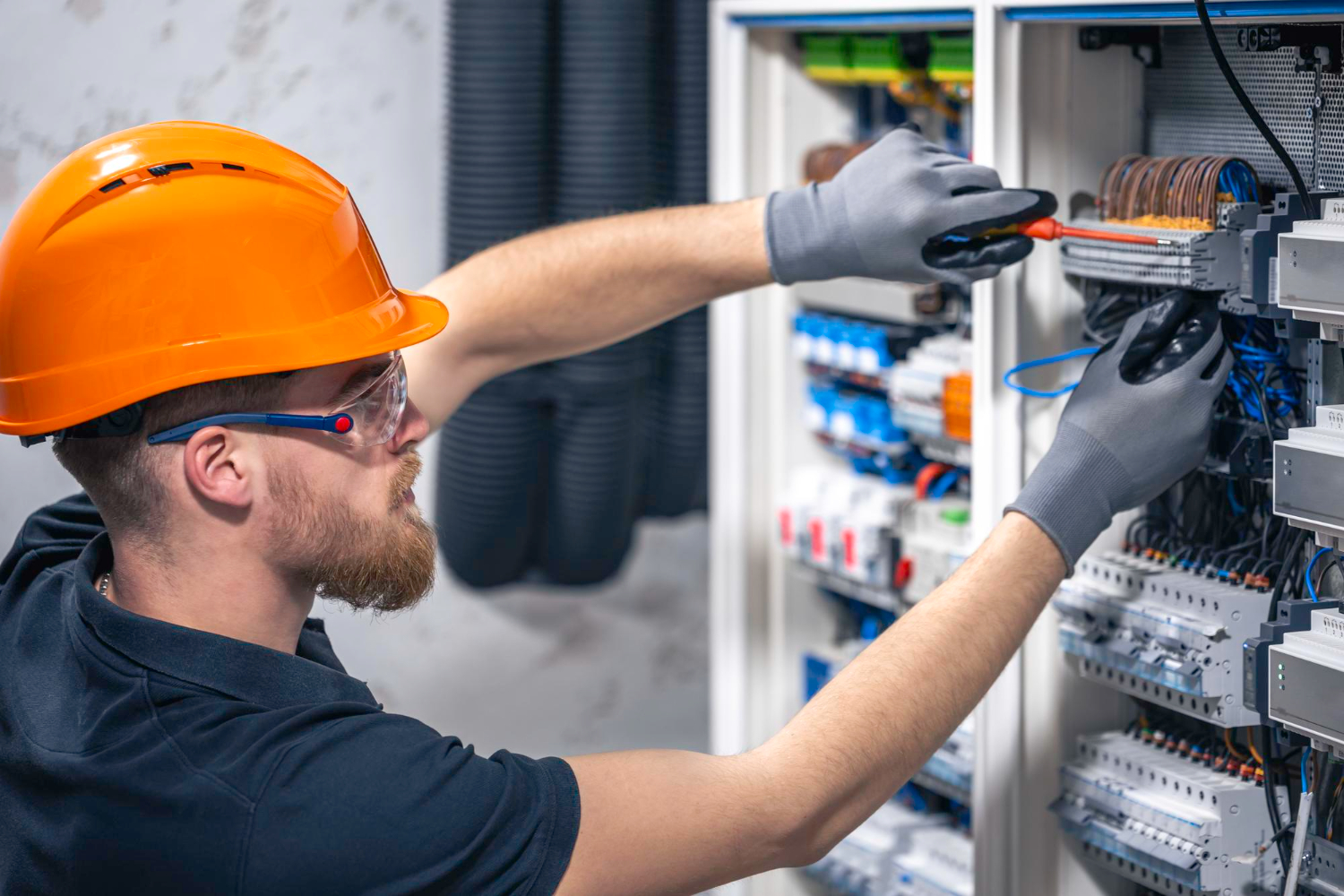
We’ve all encountered that one “magic” outlet that only works if you wiggle the plug just right. We tend to live with these quirks, but electrical outlet problems are often the precursor to a melted faceplate or worse. An outlet that feels warm to the touch or looks discolored, even slightly charred, is done. Cover it with tape and don’t use it until it’s replaced.
Loose connections inside the wall create resistance, and resistance creates heat. Back-stabbed wiring, in which wires are shoved into holes rather than being fastened down, is the root cause of many electrical outlet problems, and it tends to loosen with decades of use. Your switches’ internal mechanism is probably malfunctioning if they click or pop when you flick them.
Exposed or Damaged Wiring
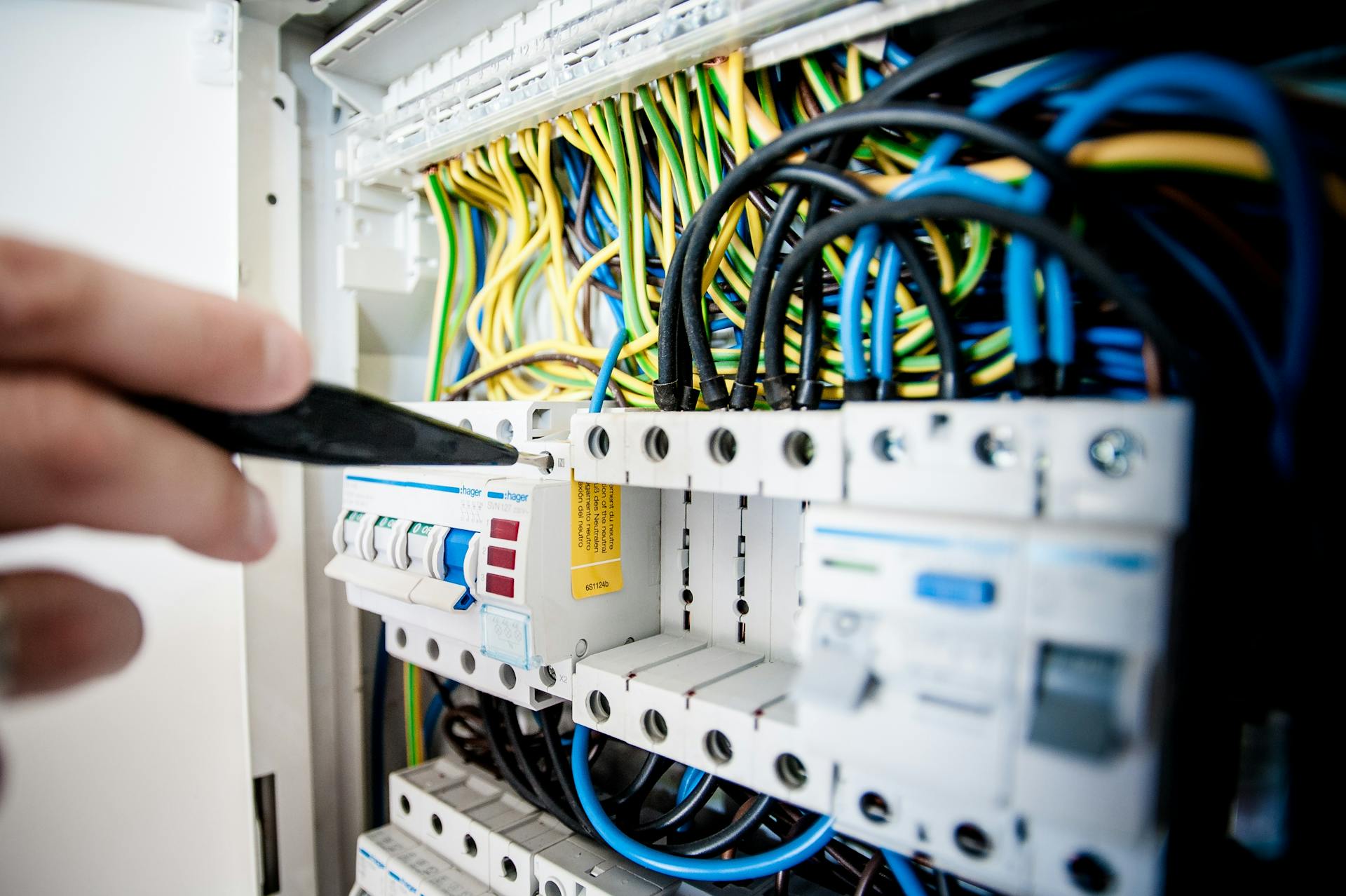
If your home has some history, your wiring might look more like a museum exhibit than a modern utility. Even worse, if there’s a crawlspace or attic involved, local rodents may have treated your insulation like a midnight snack. Chewed wires are a total nightmare, mostly because they stay hidden until they actually start sparking.
Make sure the coverings are not fragile or frayed. Doubtful aluminum, a byproduct of the ’60s and ’70s, is likely the substance in a silver wire. Al, in contrast to copper, is always changing in size, which can lead to connections coming loose and even flames. It’s a total headache to handle, but swapping them out or using proper connectors is non-negotiable for your own peace of mind.
Burning Smells or Sparks
This is the “red alert” of home maintenance. If you smell something akin to burning plastic or an ozone-like tang, do not pass go. Electrical fires have a strong, acrid smell.
It’s just power jumping a gap, but a bright blue flash or loud pop means something’s wrong.
Electrical Surges or Equipment Malfunctions
Most surges are caused by surges inside the house, but sometimes they’re caused by lightning or storms. When big appliances are turned on and off, your lines get little spikes. These little spikes weaken the delicate circuitry in your TVs and PCs over time.
You’re probably experiencing internal surges if your devices are dying too soon or if your microwave clock keeps restarting. It’s a common part of electrical problems in homes that people overlook because the damage is cumulative rather than instantaneous. Using high-quality surge protectors is a band-aid; the real fix usually involves looking at the dedicated circuits for your heavy hitters.
Outdated Electrical Panels
The heart of your home’s power is the service panel. You’re decades behind when you open that metal door and see colored glass fuses instead of flick switches. It’s not that fuse are evil, but they weren’t made for a world where everyone has a laptop, a gaming console, and a phone.
Old brands are notorious for failing to trip when they should, which is essentially like having a bodyguard who falls asleep on the job. Upgrading your panel is a big job, but it’s the foundation of a safe house. If you’re unsure about the state of your system, calling in a professional team like Fuse Service can give you a clear picture of what needs to change to bring your home into the 21st century.
Conclusion
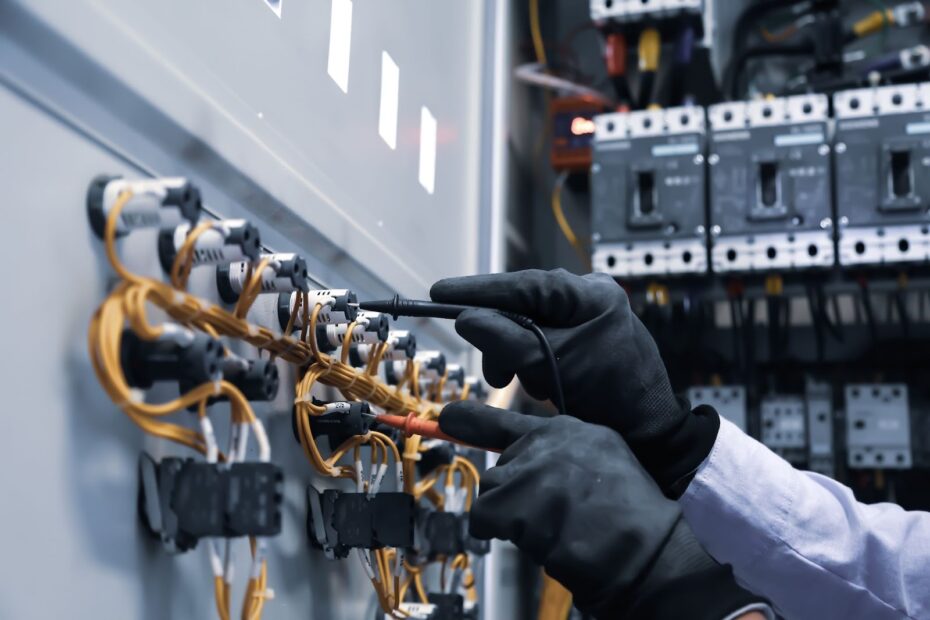
Ignoring your electrical system will lead to a costly and inconvenient issue. Flickering lights, strange odors, and heat are your home’s way of asking for help. If you keep an eye out for these problems, you will not have to deal with any unexpected repairs.
For more latest in home reads, click here.
The post Common Electrical Maintenance Issues and How to Spot Them appeared first on LUXUO.