Zhong Shanshan: The Bottled Water Tycoon who Outpaced China’s Tech Elite
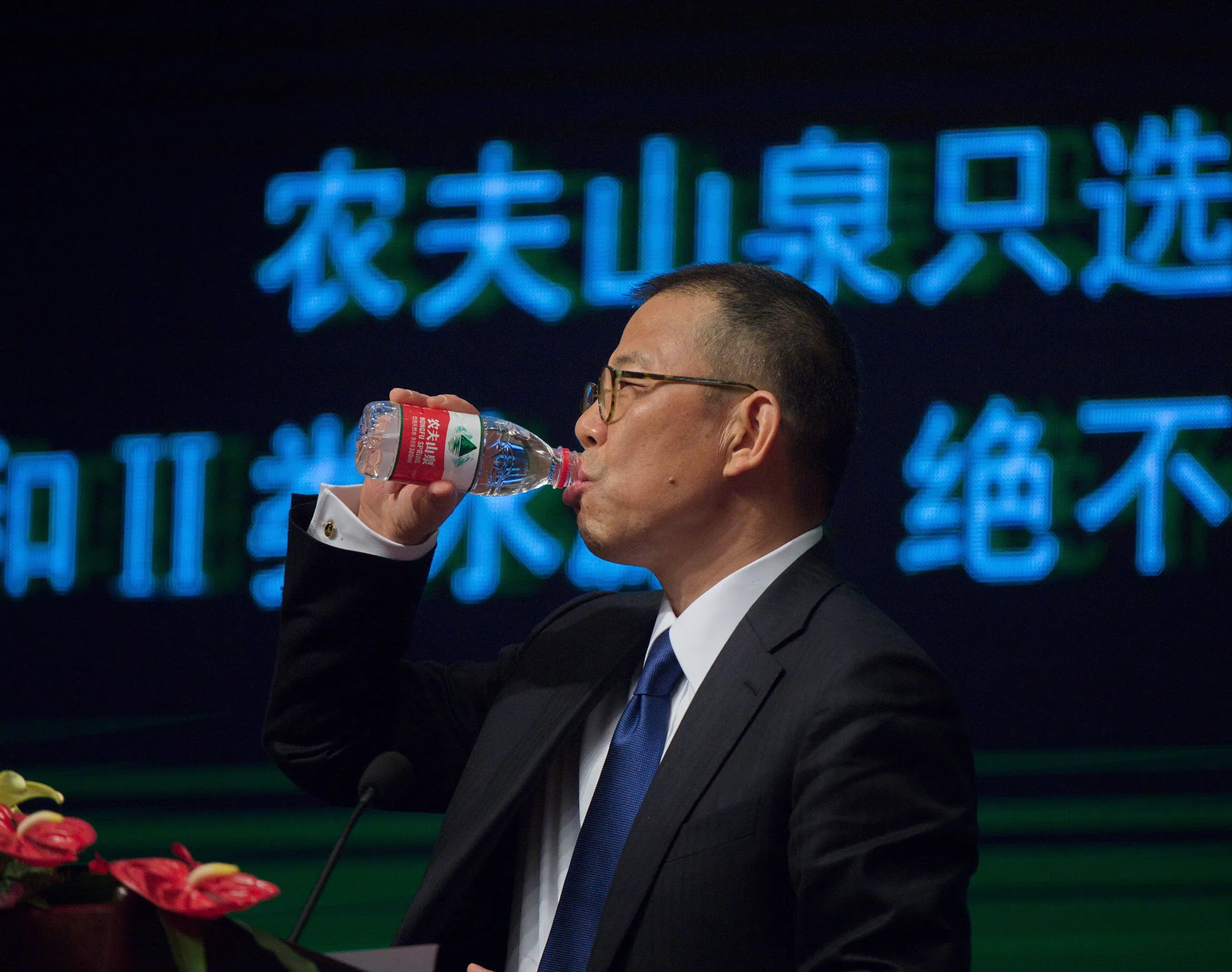
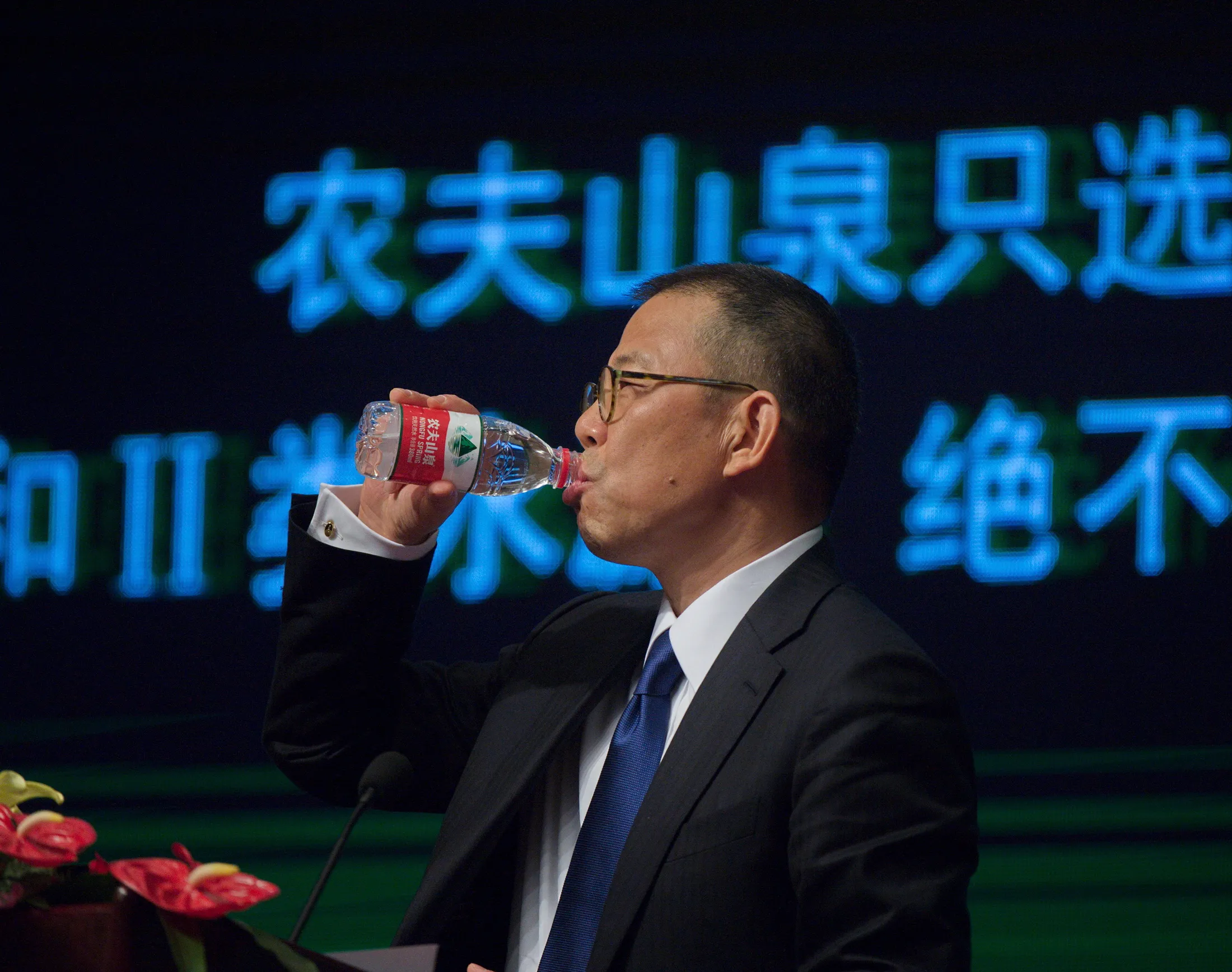
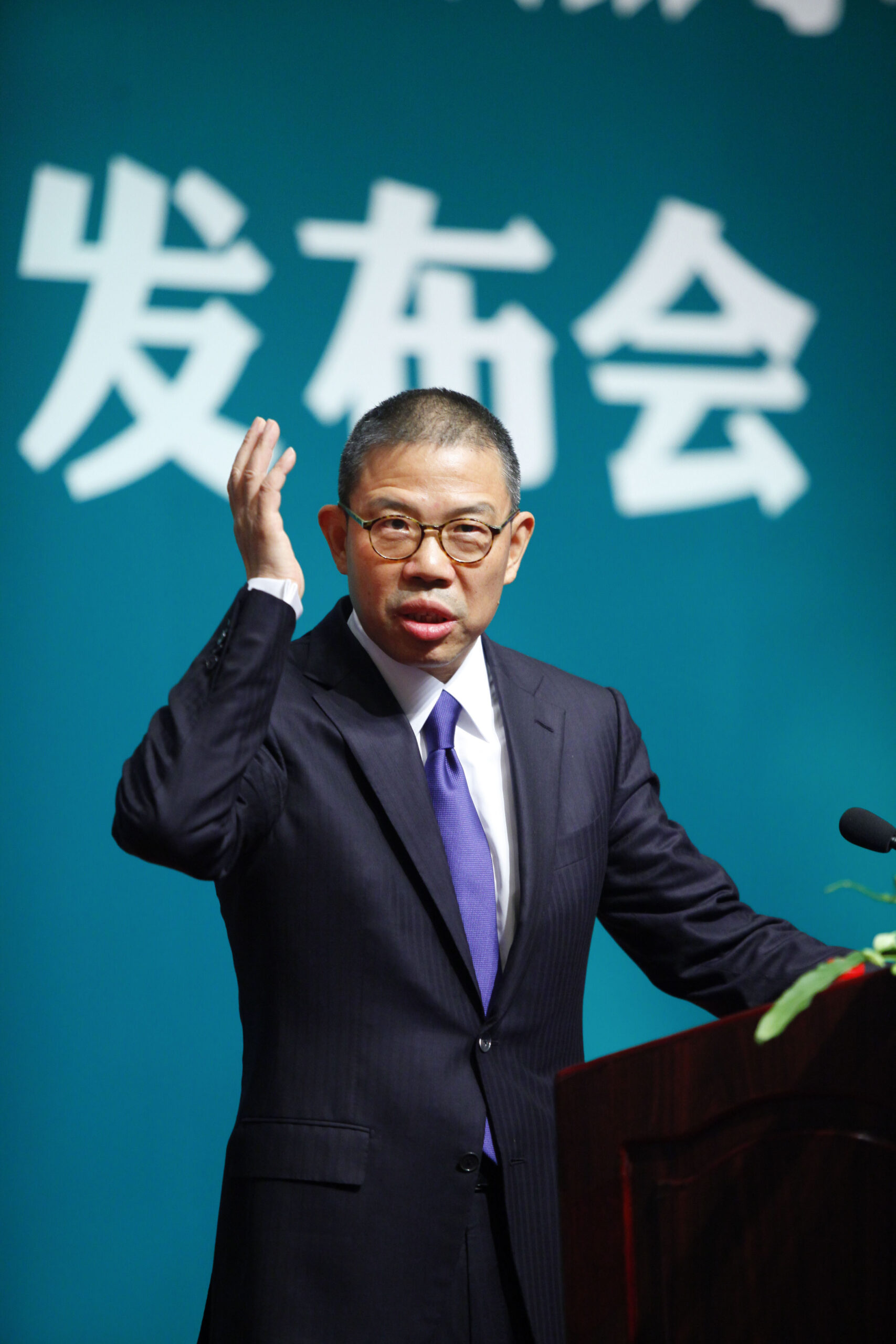
In a nation where fortunes are typically forged in technology, property or finance, China’s richest man (according to Forbes) has built his empire on something far more elemental. At 71, Zhong Shanshan controls a fortune estimated at USD 74 billion through bottled water. Founder and chairman of Nongfu Spring, Zhong is an unlikely billionaire in an age of hypervisibility — beating out founder of TikTok’s parent company ByteDance Zhang Yiming and tech leaders like Ma Huateng of Tencent and Lei Jun of Xiaomi. He avoids interviews, shuns industry events and has no interest in cultivating a public persona. Within Chinese business circles, he is known as the “Lone Wolf” — a moniker that reflects both his solitary working style. Today, Zhong Shanshan is China’s richest individual and among the world’s top 25, but his path to the top was far from privileged.
From Hardship to Discipline
Zhong’s journey from manual labourer to the wealthiest individual in China offers an example of sucessful contrarian thinking and playing the long game of brand building. Born in Hangzhou in 1954, Zhong’s early life was shaped by upheaval. During the Cultural Revolution, his family was sent to the Chinese countryside resulting in his formal education being cut short. He left school after sixth grade and spent years working as a bricklayer and construction labourer — experiences that instilled the discipline and self-reliance that would later define his leadership style.
In the late 1970s, as China reopened educational pathways, Zhong enrolled in adult studies at Zhejiang Radio and Television University after repeatedly failing traditional entrance exams. He later joined Zhejiang Daily as a reporter, travelling across more than 80 counties and interviewing hundreds of entrepreneurs. The role sharpened his understanding of markets, risk and human behaviour long before he became a businessman himself.
His early ventures were modest and often unsuccessful. He traded mushrooms and prawns, experimented with small-scale commerce and briefly worked as a sales agent for beverage giant Wahaha. None of these efforts lasted, but each taught him something about distribution, pricing and competition.
His first real success came in 1993 with the founding of Yangshengtang, a health supplement company. Three years later, at the age of 42, Zhong would made the decision that would define his legacy.
Reframing Water as a Brand, Not a Commodity
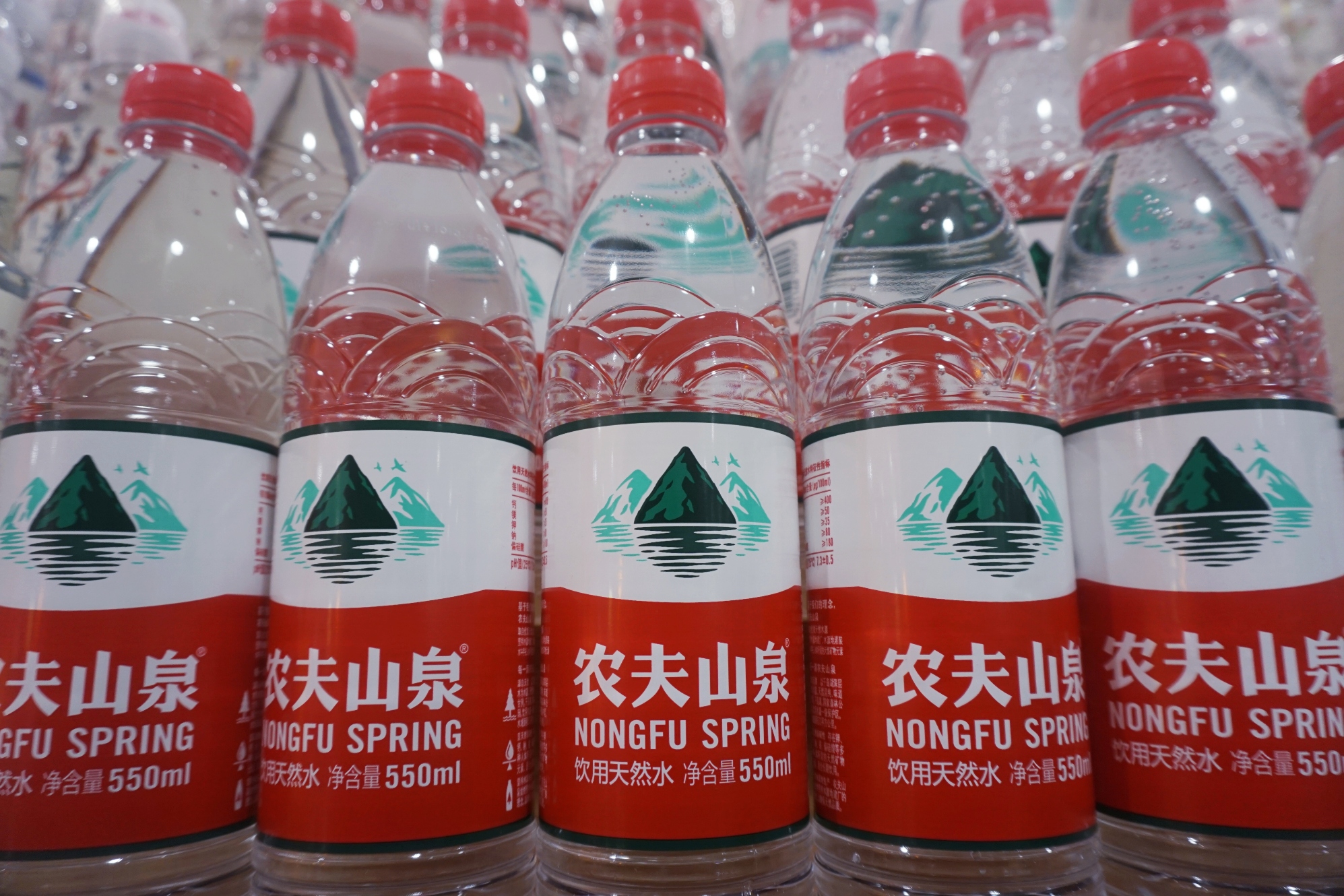
When Zhong launched Nongfu Spring in 1996, China’s bottled water market was dominated by purified water. Zhong rejected that model entirely. Instead, he positioned Nongfu Spring as natural mineral water sourced from specific locations such as Qiandao Lake, emphasising origin and composition over convenience.
In 1999 Nongfu Spring announced it would stop selling purified water altogether, arguing that the process stripped water of beneficial minerals. The decision sparked national debate and reframed bottled water as a health choice rather than a utility. It was marketing by provocation and it worked.
The slogan “Nongfu Spring is a little sweet” became one of the most recognisable in China, tying the brand to purity and pleasure. For Zhong, advertising was never separate from the product itself. As he has said, the story must be embedded in the product’s DNA long before it reaches the shelf. That philosophy has guided his resistance to short-term tactics such as livestream selling and aggressive discounting. Zhong has consistently argued that hype eroded trust and that once lost trust could not be repurchased.
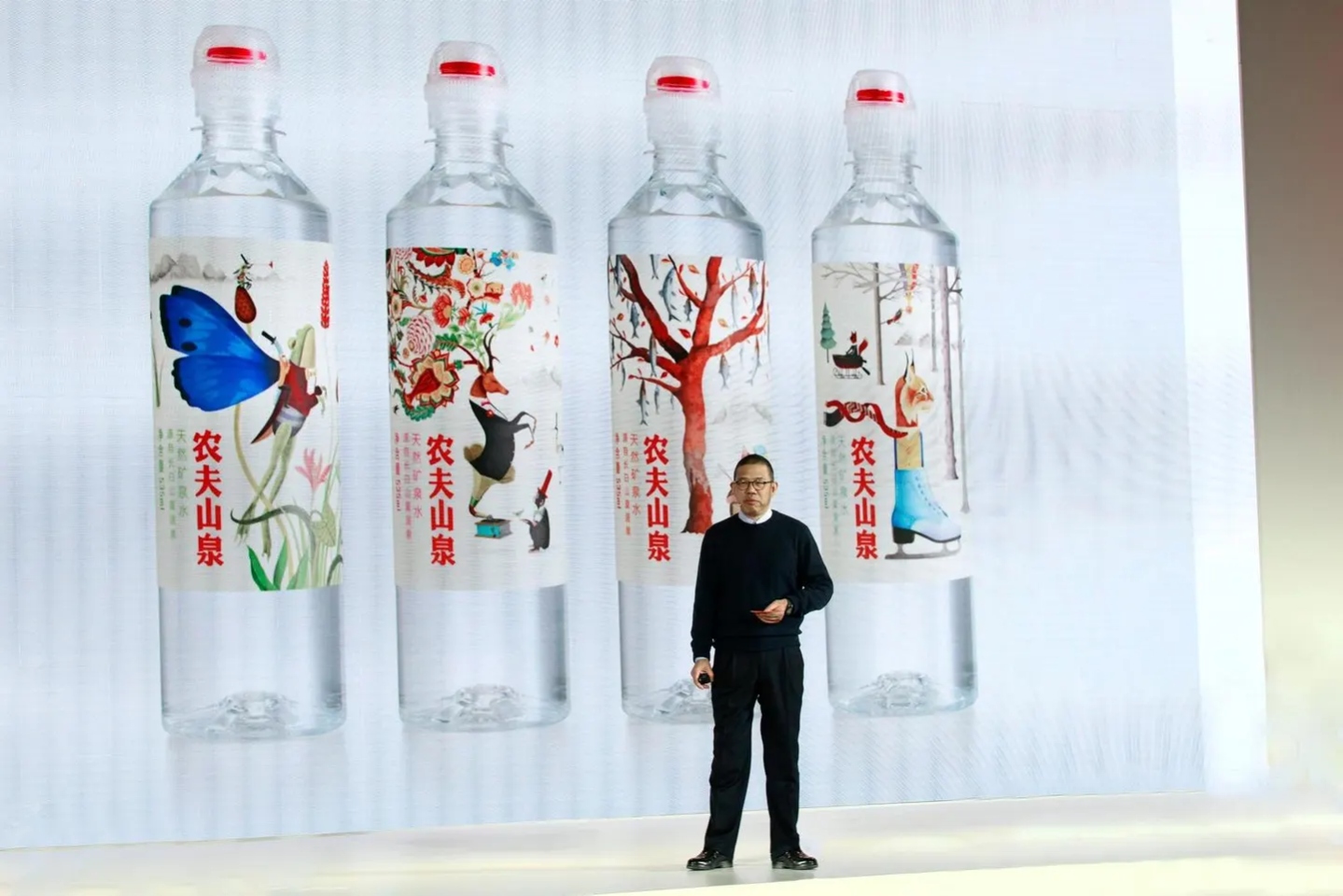
In 2024, when online users accused Nongfu Spring of using packaging that echoed Japanese cultural motifs, Zhong personally stepped in to defend the brand. The company clarified that the designs drew on Chinese temple architecture, a response that helped contain the backlash and reinforced Zhong’s hands-on approach to reputation management.
The ‘Anti-Tech’ Leadership Model
Zhong’s management style runs counter to much of modern corporate culture. He avoids executive circles and industry alliances, preferring isolation to consensus. “I am a lone wolf,” he has said. “I don’t care what my peers are doing or thinking.”
Zhong’s leadership is guided by a small set of unwavering principles. He believes reputation carries more weight than assets, that intuition should lead and data should follow and that products lose their power when treated as mere commodities. For him, marketing works best through decisive cultural moments, not constant amplification, while true innovation can only flourish when shielded from immediate commercial pressure.
Control is central to this worldview. Zhong owns nearly 84 percent of Nongfu Spring’s Hong Kong-listed shares, allowing him to make long-term decisions without shareholder interference. That autonomy has enabled him to navigate regulatory pressure, social media storms and fierce competition without compromising his principles.

Reputation As The Core Asset
While Nongfu Spring is his most visible asset, Zhong’s empire rests on two pillars: water and health. He is also the controlling shareholder of Beijing Wantai Biological Pharmacy, a vaccine manufacturer that developed China’s first domestically produced second-generation HPV vaccine. The listings of Wantai (Beijing Wantai Biological Pharmacy Enterprise Co.) in April 2020 and Nongfu Spring later that year propelled Zhong to the top of China’s wealth rankings. Together, the businesses reflect his focus on essential goods that sit at the intersection of public health and daily life.
Nongfu Spring continues to dominate China’s packaged drinking water market, with water accounting for roughly 37 percent of total revenue. The company has also expanded successfully into tea, juice and functional drinks, with brands such as Nongfu Orchard, Tea Pi and C100. Each launch follows the same pattern: product differentiation supported by narrative-led marketing.
Despite facing legal disputes, media scrutiny and growing competition, Zhong has remained consistent. His scent challenges the assumption that modern wealth must be built on speed and scale, rather his success partially lies in emphasis on origin, trust and an almost stubborn belief in doing things his own way.
Nongfu Spring was built by identifying a basic human need and elevating it through storytelling and science and patience, proving that in a saturated market — endurance can be just as powerful as disruption.
For more on the latest in business and finance reads, click here.
The post Zhong Shanshan: The Bottled Water Tycoon who Outpaced China’s Tech Elite appeared first on LUXUO.