Whisky Enters 2026 in a Phase of Consolidation and Strategic Reset
As the industry moves into 2026, the global whisky market is showing clear signs of consolidation. After several years of post-pandemic expansion and price inflation, producers are now recalibrating production, leadership and inventory in response to slower growth and shifting demand dynamics.
Its a Buyers’ Market
The opening week of 2026 has confirmed a buyers’ market that began to emerge in late 2025. Analysts describe the current phase as a necessary correction following years of accelerated pricing and speculative momentum. In Scotland, distillers are managing a pronounced supply glut, compounded by a 10 percent US tariff on Scotch whisky imports. The Scotch Whisky Association estimates this tariff is costing the sector approximately EUR 4 million per week.
While single malt exports remain above pre-pandemic levels, growth has slowed materially. This deceleration has prompted major producers to adjust output. Diageo has reduced production at selected malt distilleries — including Teaninich — in order to align capacity with current demand rather than future projections. Industry observers note that these decisions signal a shift from volume-led expansion to margin protection and inventory discipline.
Distillery Developments: Leadership Shifts and Heritage Releases
At the distillery level, the start of the year has brought both symbolic milestones and carefully positioned releases. Ardbeg entered 2026 with a leadership first as Bryony McNiven assumed her role as the distillery’s first modern female Distillery Manager on 1 January. McNiven — whose father worked at Ardbeg for more than 30 years — is expected to guide a series of heavily peated releases described internally as “smoky schemes”.
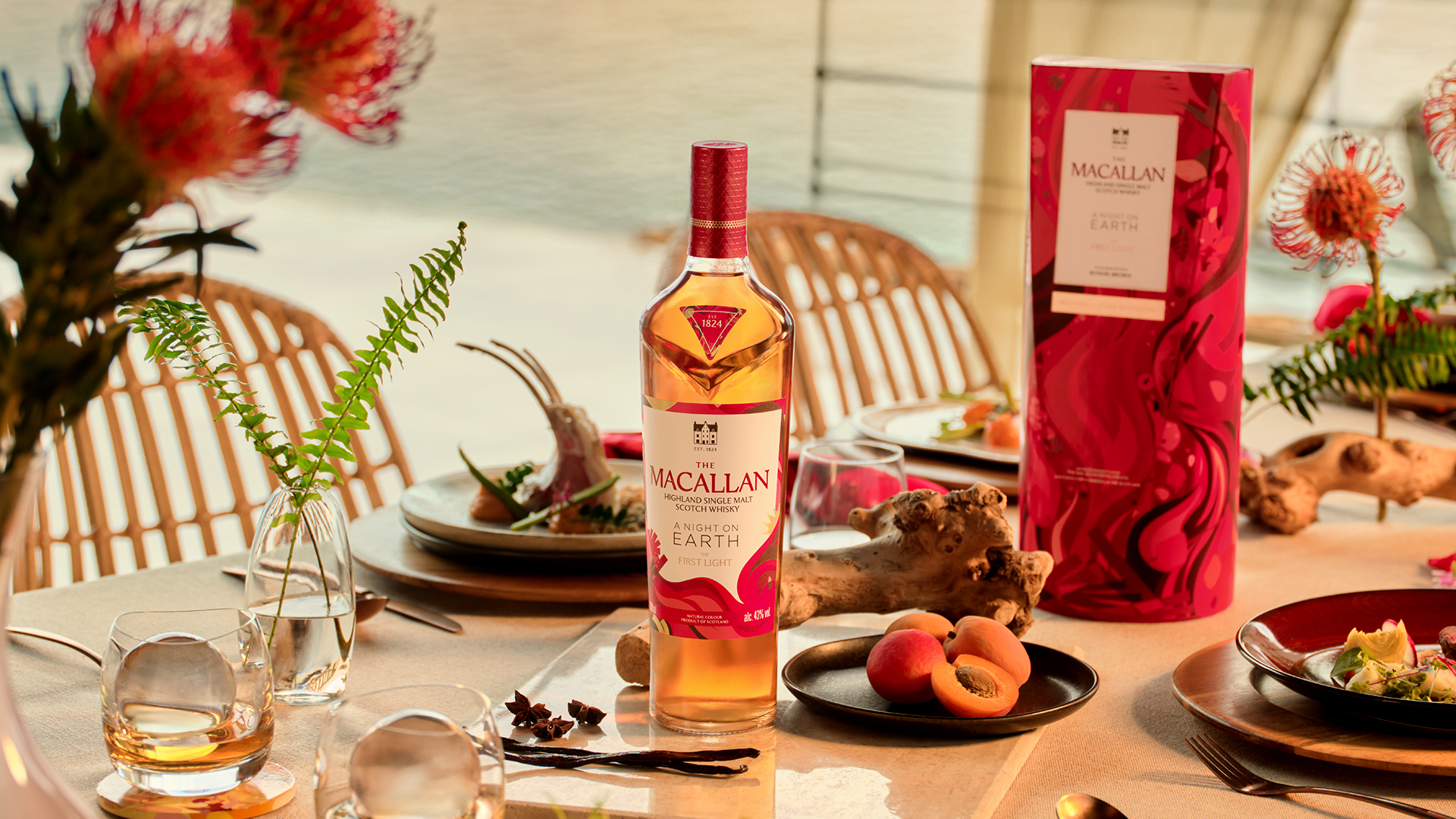
The Macallan marked the new year with the launch of A Night on Earth: The First Light, a limited-edition single malt inspired by the first sunrise of 2026 in New Zealand. Alongside this release, the brand has completed the rollout of its core Double Cask range, finalising the 15 and 18-year-old expressions. Aberlour has also reinforced its heritage credentials with the unveiling of a rare 50-year-old single malt to mark a significant internal milestone.
Read More: Raising the Bar: Celebratory Spirits for the Festive Season
American Distillery Faces Structural Pressure
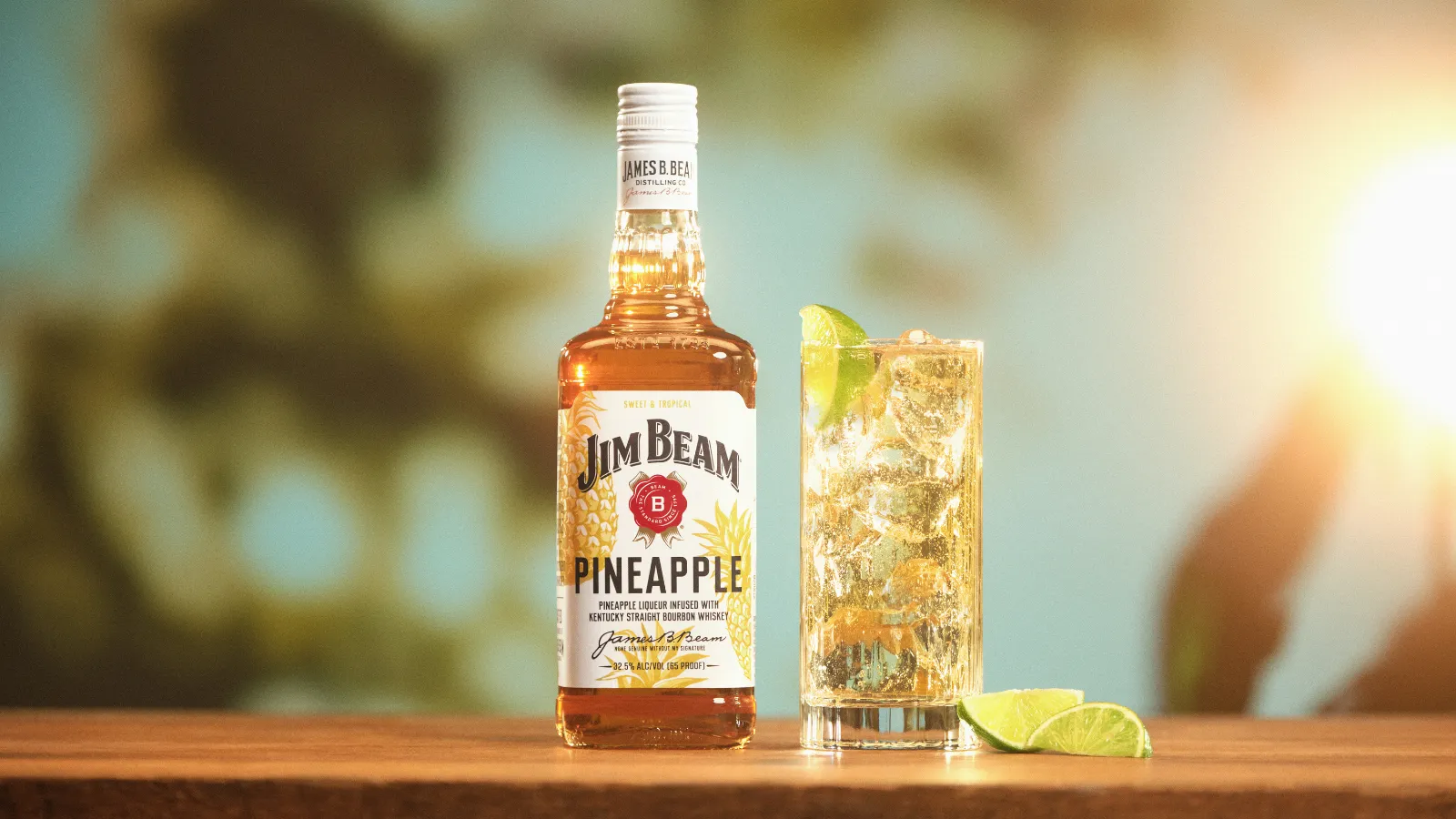
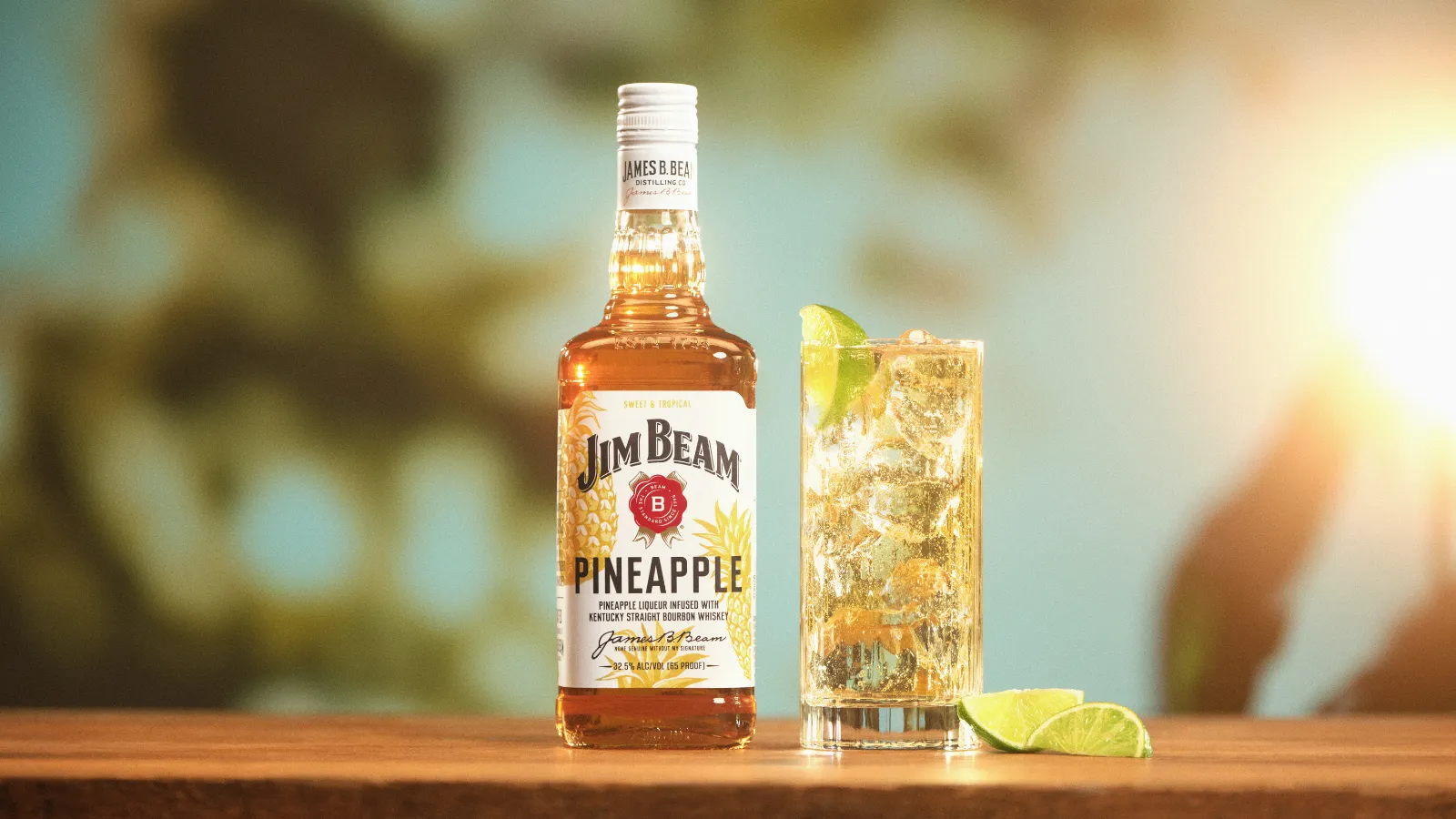
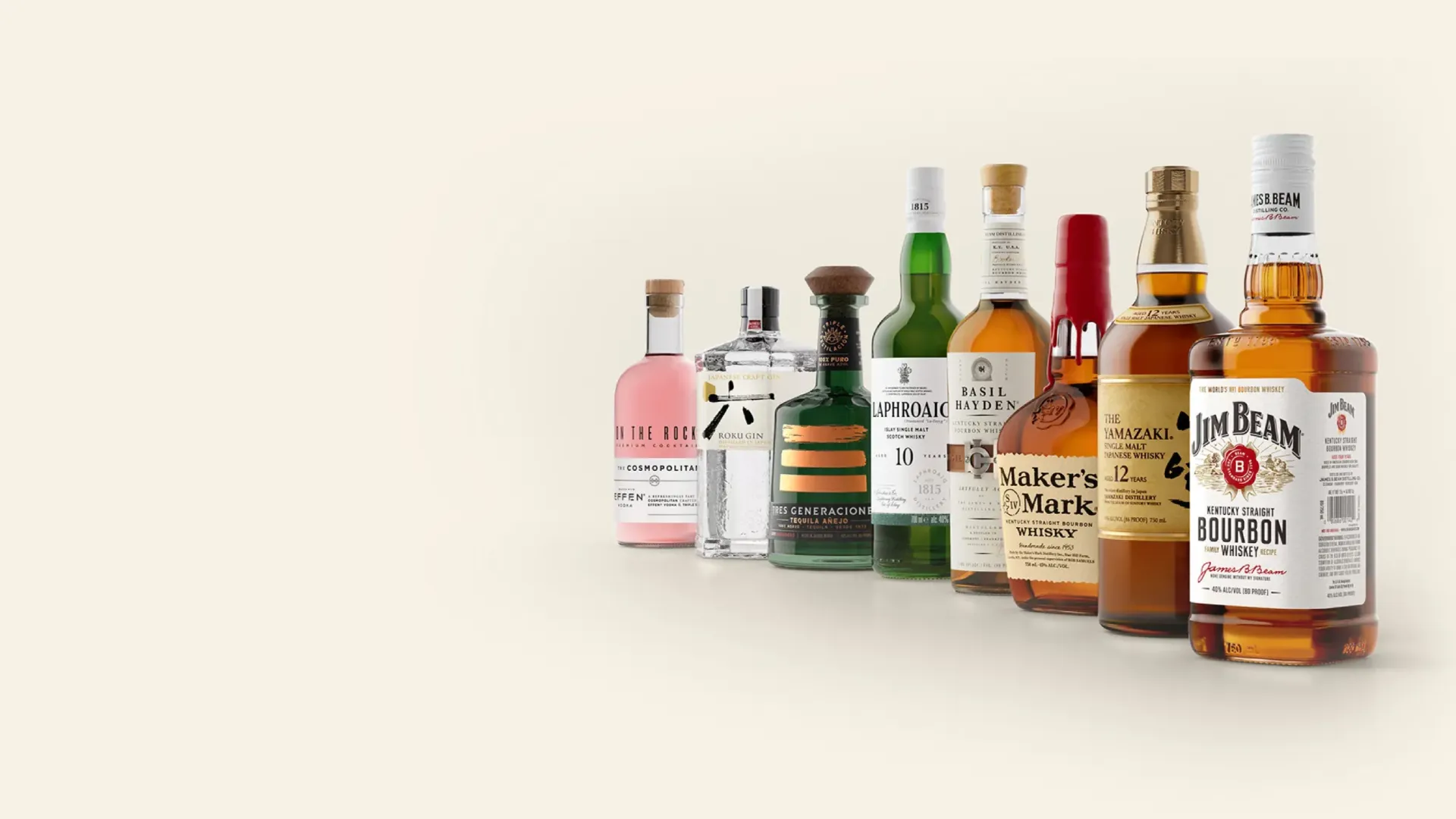
The most consequential development of the period has come from the United States. Suntory Global Spirits confirmed that Jim Beam will pause production at its primary Clermont distillery for the duration of 2026. The announcement reflects mounting pressure across the American whiskey category, which currently holds a record 16.1 million barrels in storage. Exports have also fallen sharply in key markets, including Canada.
While Jim Beam’s visitor centre will remain operational, the production pause underscores the severity of the imbalance between supply and demand. Elsewhere in the US, Brown-Forman has enacted a 12 percent workforce reduction at Jack Daniel’s, while MGP Ingredients has implemented strategic production cuts. Together, these moves point to a structural slowdown rather than a short-term correction within American whiskey.
Rare Assets Hold Firm in Auction
Despite broader caution across the primary market, the secondary market for ultra-rare whisky remains resilient. A complete 19-bottle set of The Macallan Anniversary Malt collection — spanning multiple decades of production — was recently listed via a private broker for USD 167,637. At auction, a 1945 Macallan Fine & Rare 56-year-old achieved a price exceeding USD 30,000, while a 1988 Macallan cask sold for approximately USD 266,345 during a holiday sale.
Attention now turns to the current Whisky Auctioneer event — closing on 5 January — which includes highly sought-after Samaroli silver-cap bottlings. Highlights include a 1967 Laphroaig and a 1966 Tormore, both expected to attract strong interest from established collectors. These results suggest that capital is concentrating at the very top of the market, even as mid-tier speculative activity cools.
Looking Ahead
As 2026 begins, the whisky industry is no longer driven by unchecked growth or scarcity-led pricing. Instead, producers, investors and collectors are navigating a more selective landscape defined by consolidation, disciplined production and long-term positioning. While challenges remain across both Scotch and American whiskey, the market’s response indicates a period of strategic maturity rather than decline.
A version of this article was first shared by the WhiskyReturns Team for their newsletter entitled “Why Jim Beam just stopped production”.
For more on the latest in alcohol and luxury spirits stories, click here.
The post Whisky Enters 2026 in a Phase of Consolidation and Strategic Reset appeared first on LUXUO.