Travel’s Next Wild Cards: Tourism’s Unexpected Powerhouses
There is something to be said about venturing into the unknown as tourists are fatigued by traditional hotspots. The ubiquitous nature of famous city skylines or crowded beach resorts presents travellers with less authentic and more predictable experiences, making underrated destinations like Uzbekistan, Albania and Rwanda emerge as “wild cards” for wanderlust enthusiasts. By leveraging cultural storytelling, a unique history paired with immersive experiences, these off-the-beaten-track nations could bring in new audiences and their tourism dollars. LUXUO explores these up-and-coming destinations and how their strategic cultural initiatives could be poised to surpass traditional tourism powerhouses within the next decade.
Uzbekistan
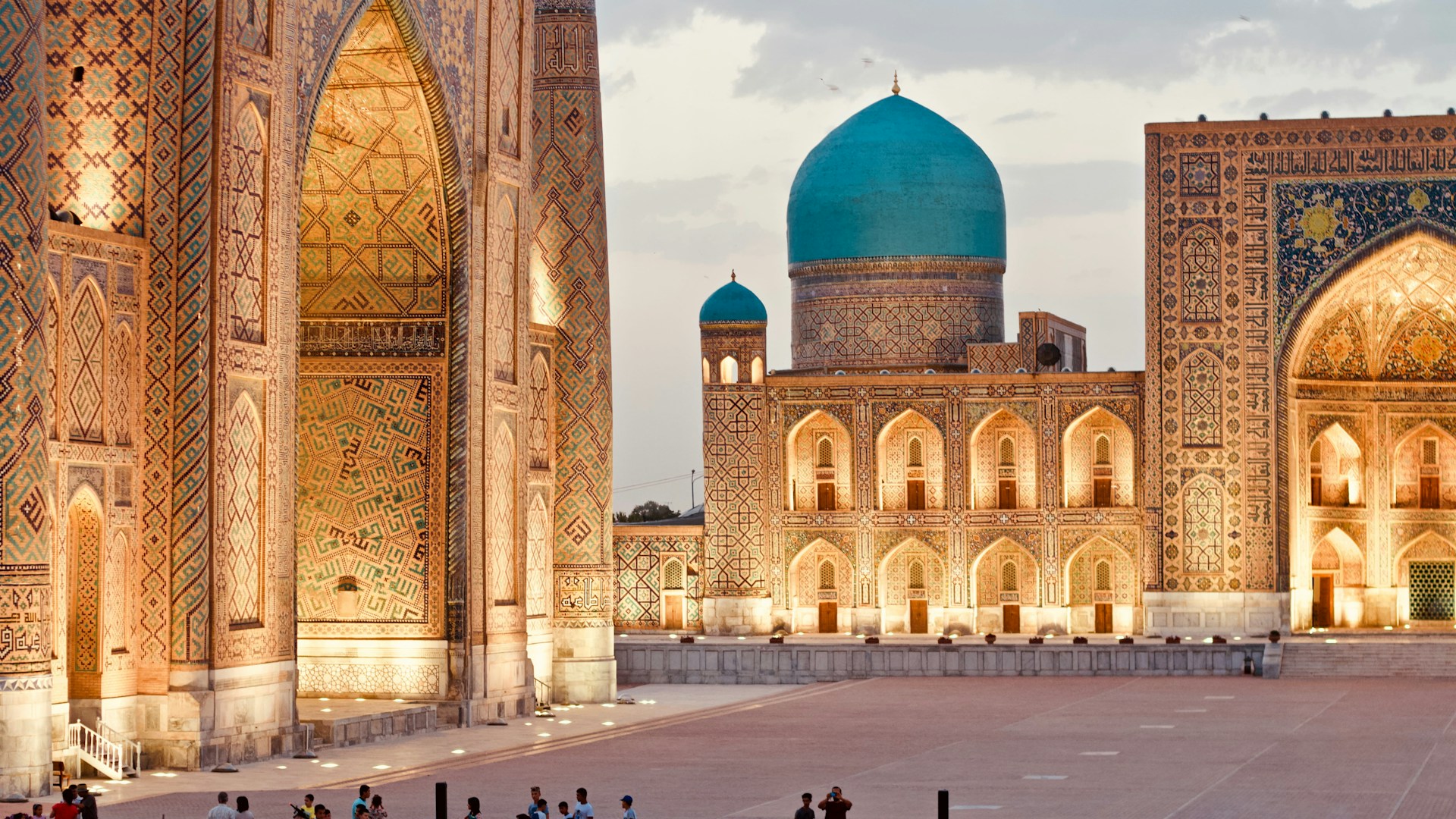
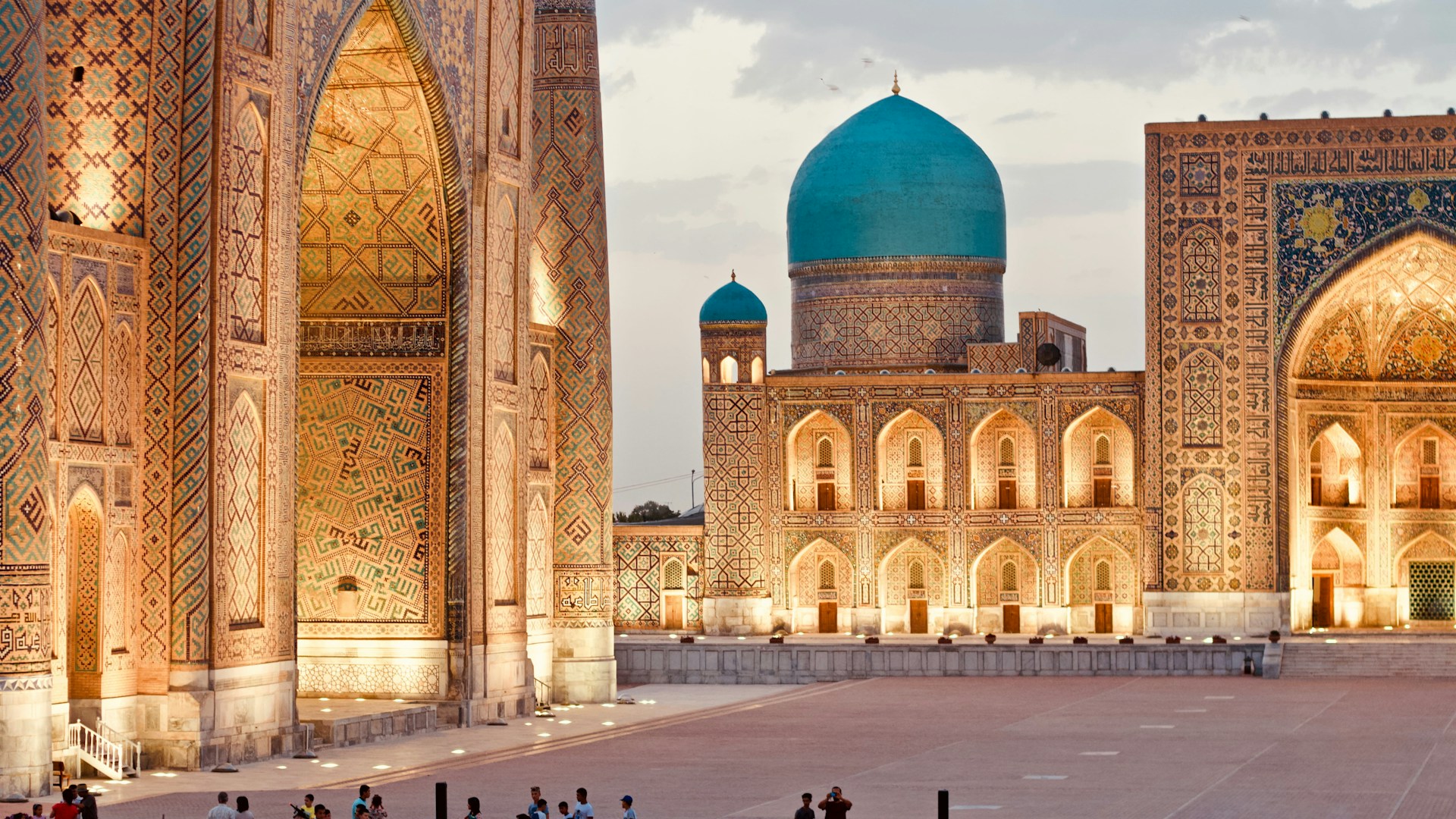
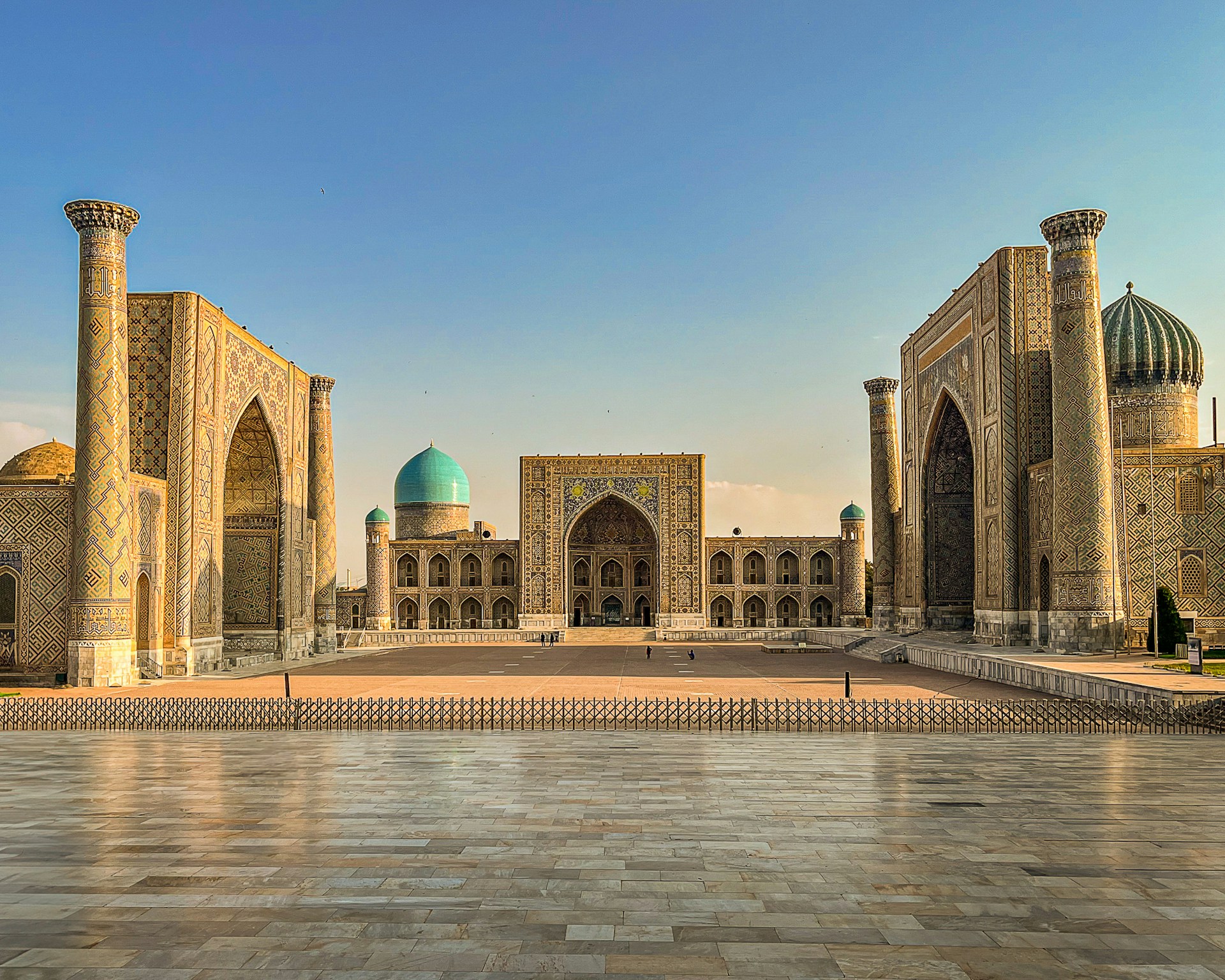
Uzbekistan’s rise is anchored in a renewed fascination with the Silk Road. Travel between Samarkand’s majestic Registan Square, the old trading domes of Bukhara and the vast new Silk Road Samarkand resort — a hospitality complex built around galleries, ateliers and immersive cultural programming. In Rishtan, one of the country’s most respected ceramicists, Rustam Usmanov, teaches students in a workshop piled with half-finished vessels.
He explains how the region’s distinctive reddish clay is shaped, dried for days, coated with white slip, then twice fired to achieve the deep blue glaze that defines Uzbek pottery. At Yodgorlik, one of the country’s oldest silk factories, the process is equally mesmerising as silkworms feast on mulberry leaves before spinning the cocoons that become raw silk. With the addition of new museums, wine estates and design-forward stays, Uzbekistan is positioning itself as both a historical stop and a dynamic new cultural powerhouse.
Albania
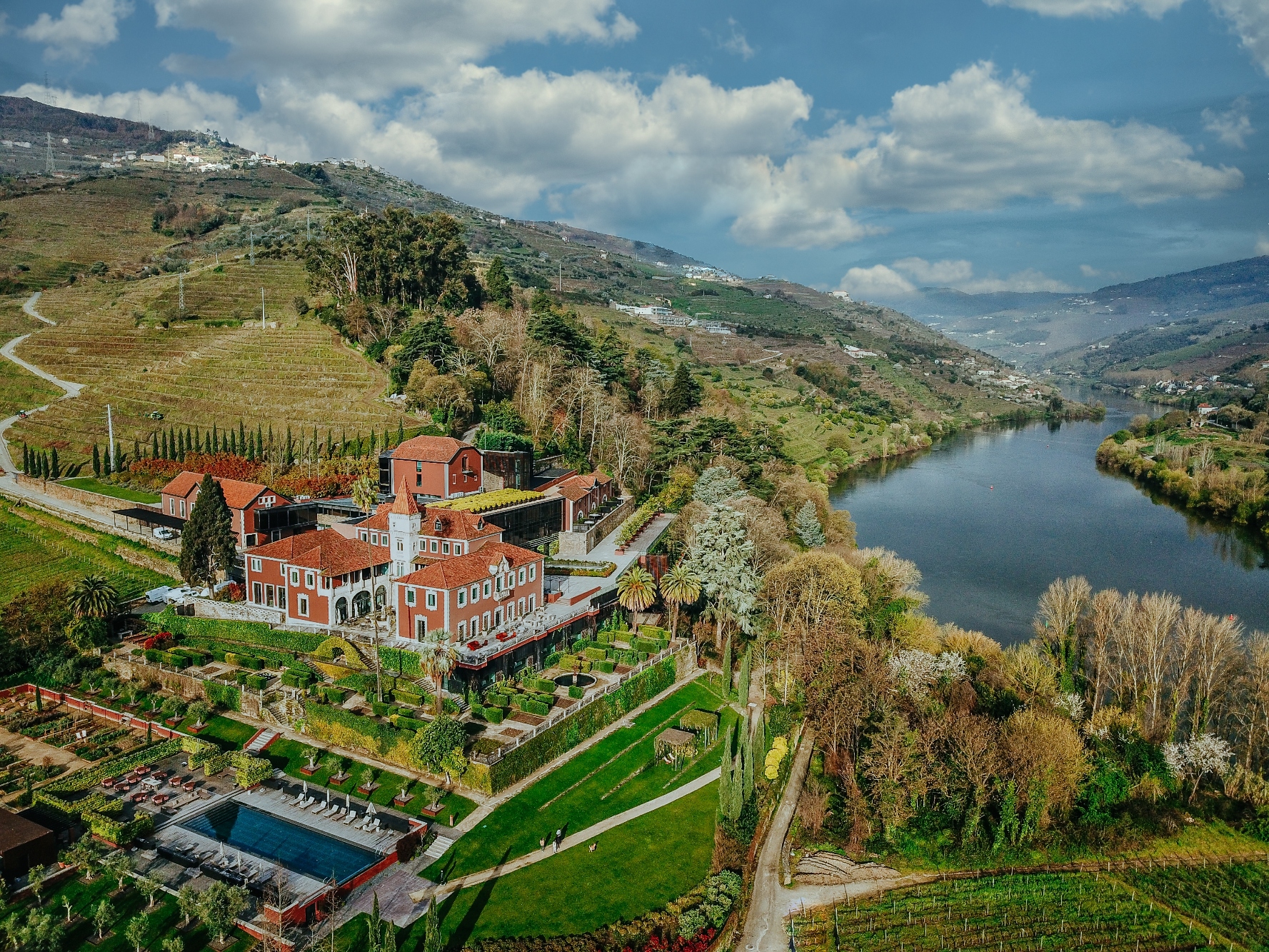
Albania is stepping out from the shadows of its coastal clichés, emerging instead as a destination rich in Ottoman history and a revived wine scene. The UNESCO towns of Berat and Gjirokastër showcase stone citadels and centuries-old architecture, while Tirana’s creative revival has turned the capital into a hub of contemporary art, design cafés and new boutique hotels. Visitors can explore wineries across Berat and Durrës, or book a private chef in Tirana for an intimate dining experience. The country’s past is confronted head-on at BunkArt 2, a Cold War bunker-turned-museum with reconstructed interrogation rooms, archival surveillance equipment and narratives of life under Communist rule. Within Berat’s medieval castle, the Onufri Iconographic Museum houses rare Byzantine icons and liturgical objects, adding depth to Albania’s spiritual and cultural roots. With historic castles, canyon landscapes, vibrant food culture and an expanding hospitality scene, the country is fast becoming the Balkans’ most unexpected contender.
Rwanda
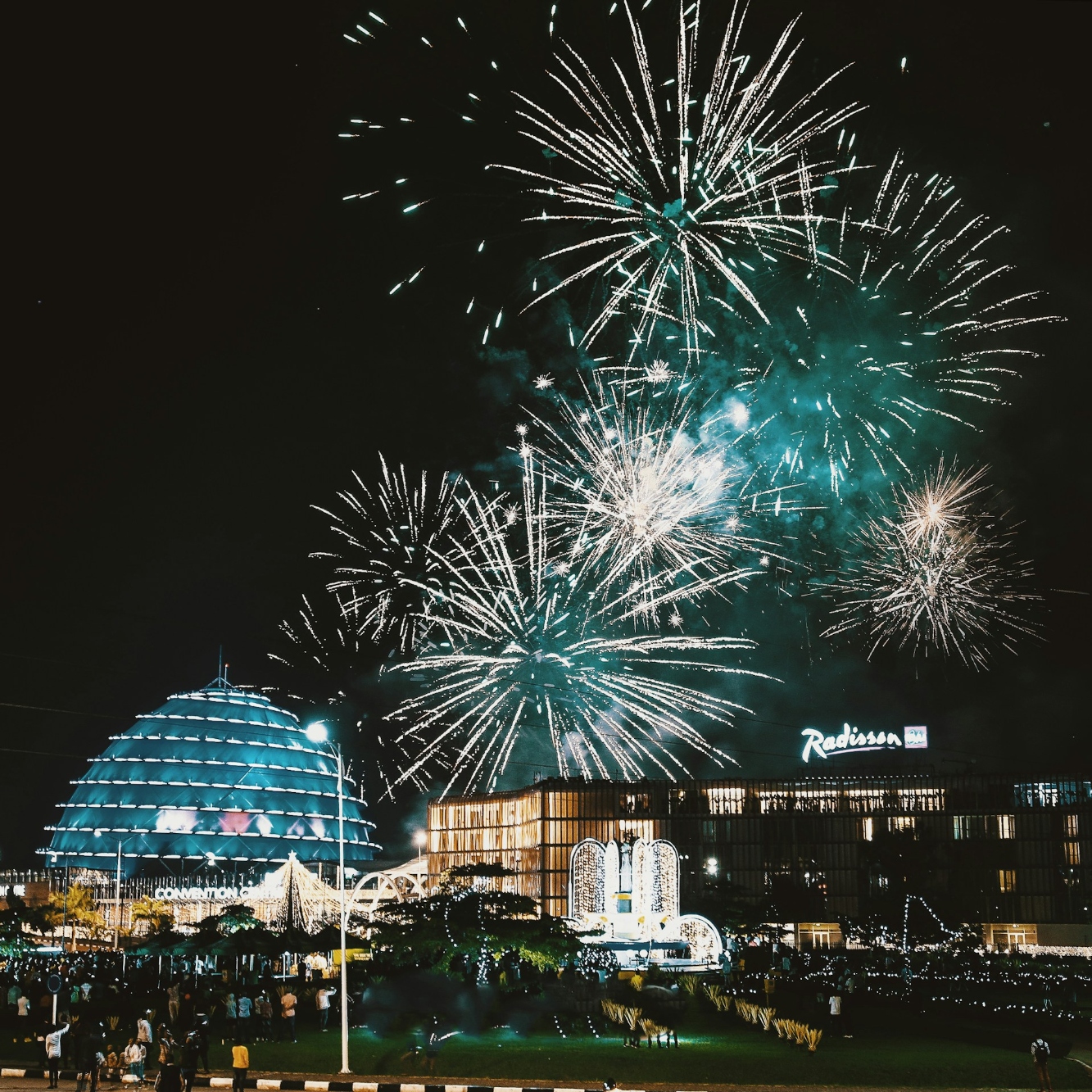
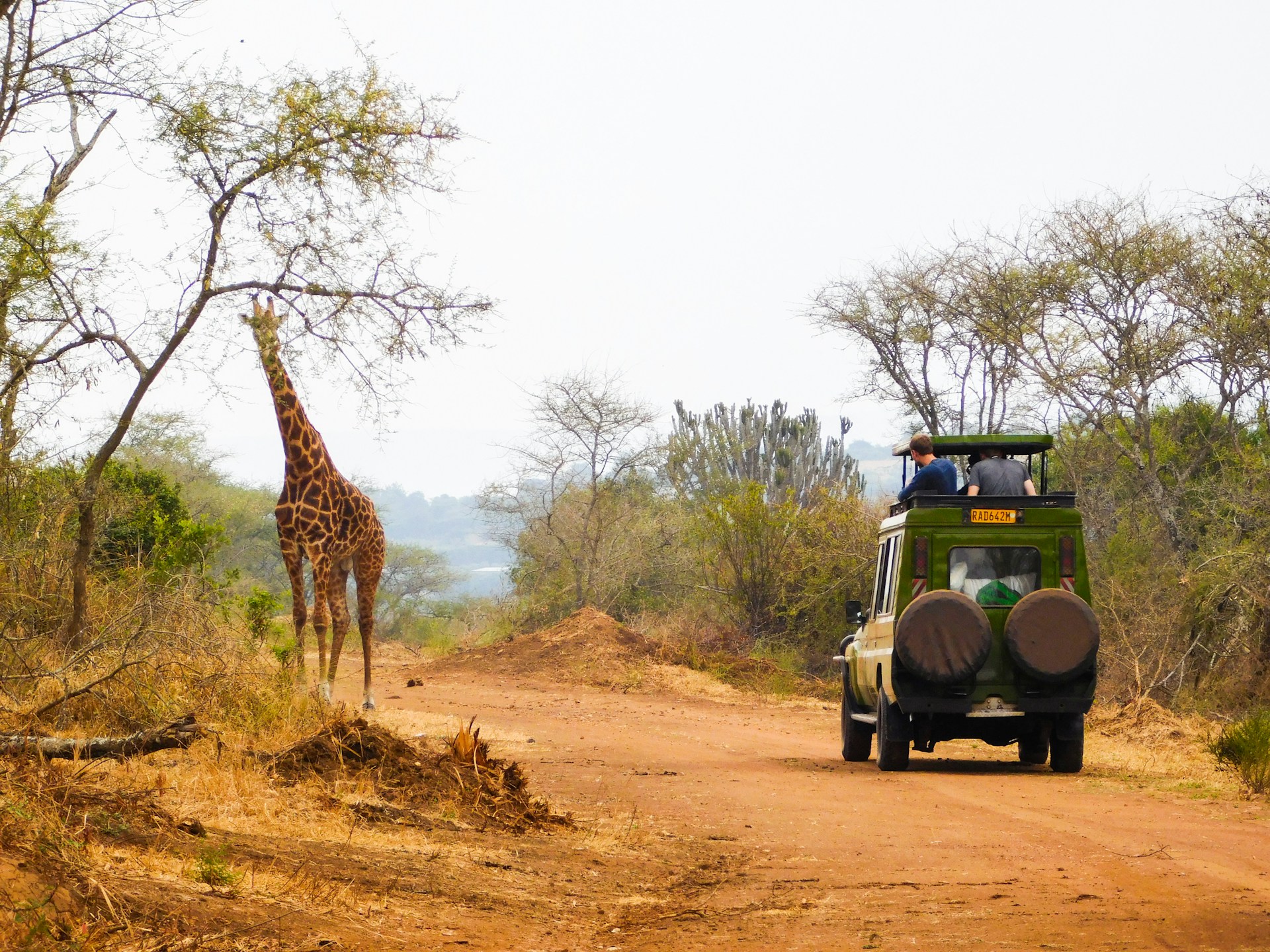
Rwanda is a nation that is so much more than its famous wildlife encounters. Kigali now pulses with design studios, social-enterprise galleries and Afrofuturist architecture projects, while the Kigali Genocide Memorial remains a vital site of remembrance and education for Rwanda’s dark past. Luxury lodges such as Bisate and One&Only Nyungwe House combine conservation with luxury hospitality — from rewilded forests and wildlife corridors to tea-plantation-side villas with fireplaces and private decks.
The city’s creative momentum is visible at Niyo Art Gallery and MADS Kigali, where exhibitions, community support and hands-on workshops shape a new cultural identity. Visitors can deepen their immersive experiences through bean-to-brew coffee tours, hot-sauce making classes or pottery sessions with Rwandan artisans. Outdoor adventure continues at Fazenda Sengha, a hilltop leisure centre with riding trails, ziplines and panoramic bars. Rwanda is emerging as one of Africa’s most dynamic cultural destinations, far beyond its nature-centric and brutal past.
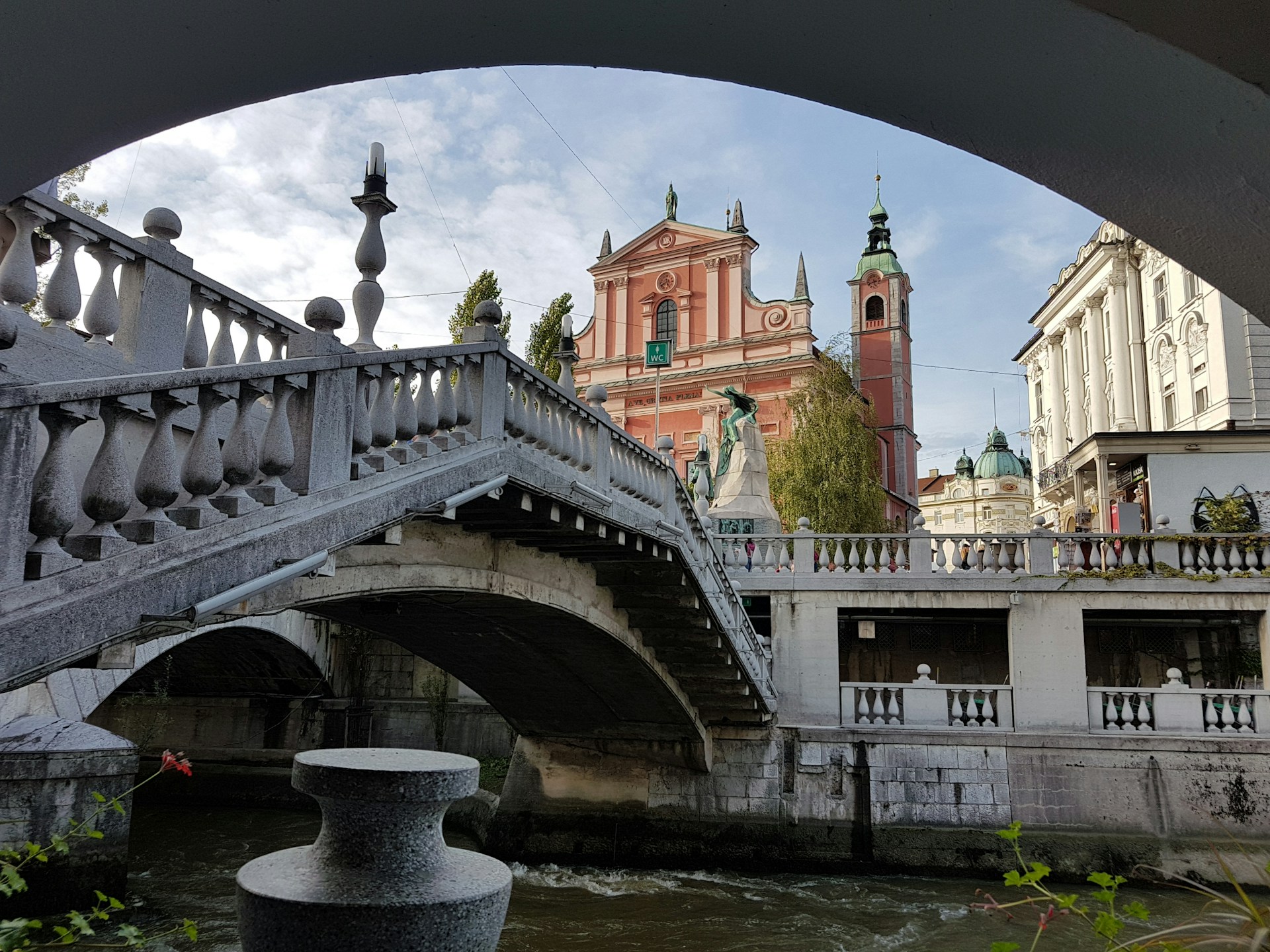
Slovenia
Slovenia is proving that small nations can make a large impact by leveraging their own creativity and culinary innovation. Ljubljana anchors the experience with its Centre for Creativity, the Plečnik House and a thriving museum landscape spanning modern and contemporary history. Summer brings ideal conditions for exploring the country’s wine routes, where Michelin-starred farm-to-table estates and vineyard stays shape a sophisticated gastronomy trail.
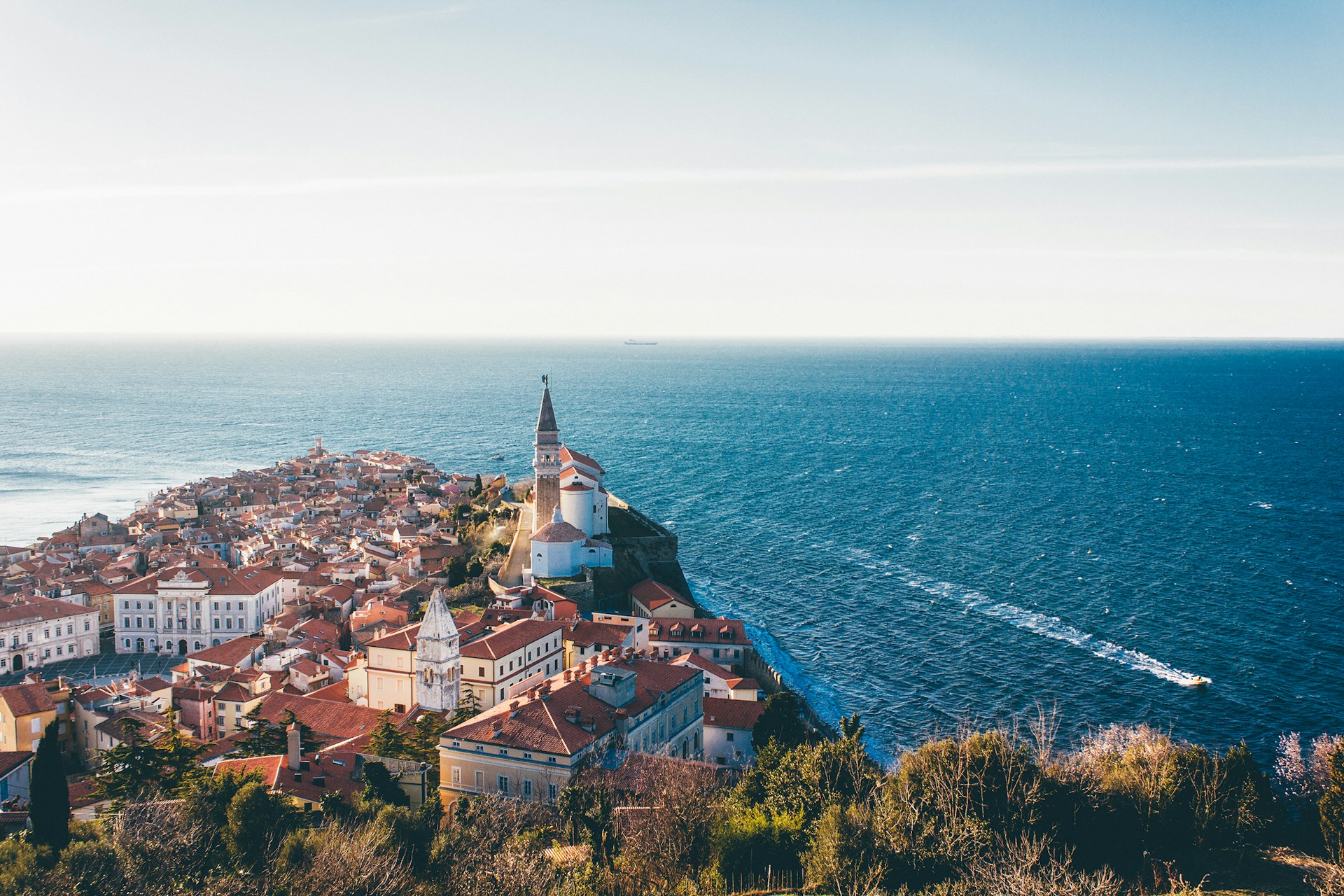
Visitors can ride the funicular to Ljubljana Castle for panoramic views and tastings at the new Strelec Wine Bar, wander the lively Central Market or join Open Kitchen — a seasonal showcase of Slovenian street food. Beyond the capital, Lake Bled, boutique hotels and easy access to forests, rivers and medieval towns reinforce Slovenia’s reputation as Europe’s quietly luxurious escape.
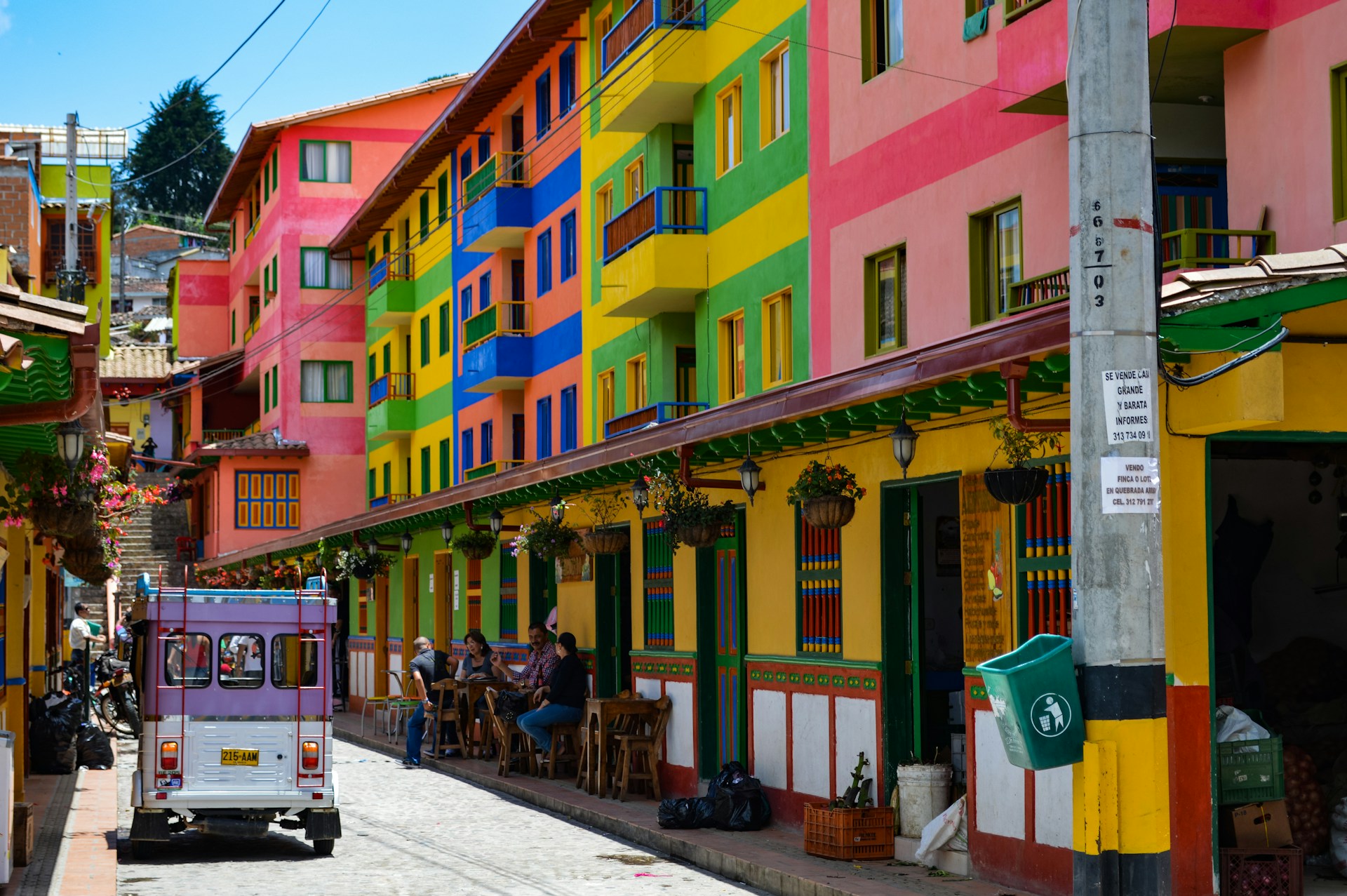
Colombia
Colombia is quickly emerging to be a jewel of South America, turning Cartagena and Medellín into sought-after hubs of art, design and gastronomy. Cartagena’s walled city brims with restored colonial mansions turned boutique hotels — from Casa Pestagua to Casa San Agustín — while the Sofitel Santa Clara fuses 17th-century monastic architecture with modern luxury.
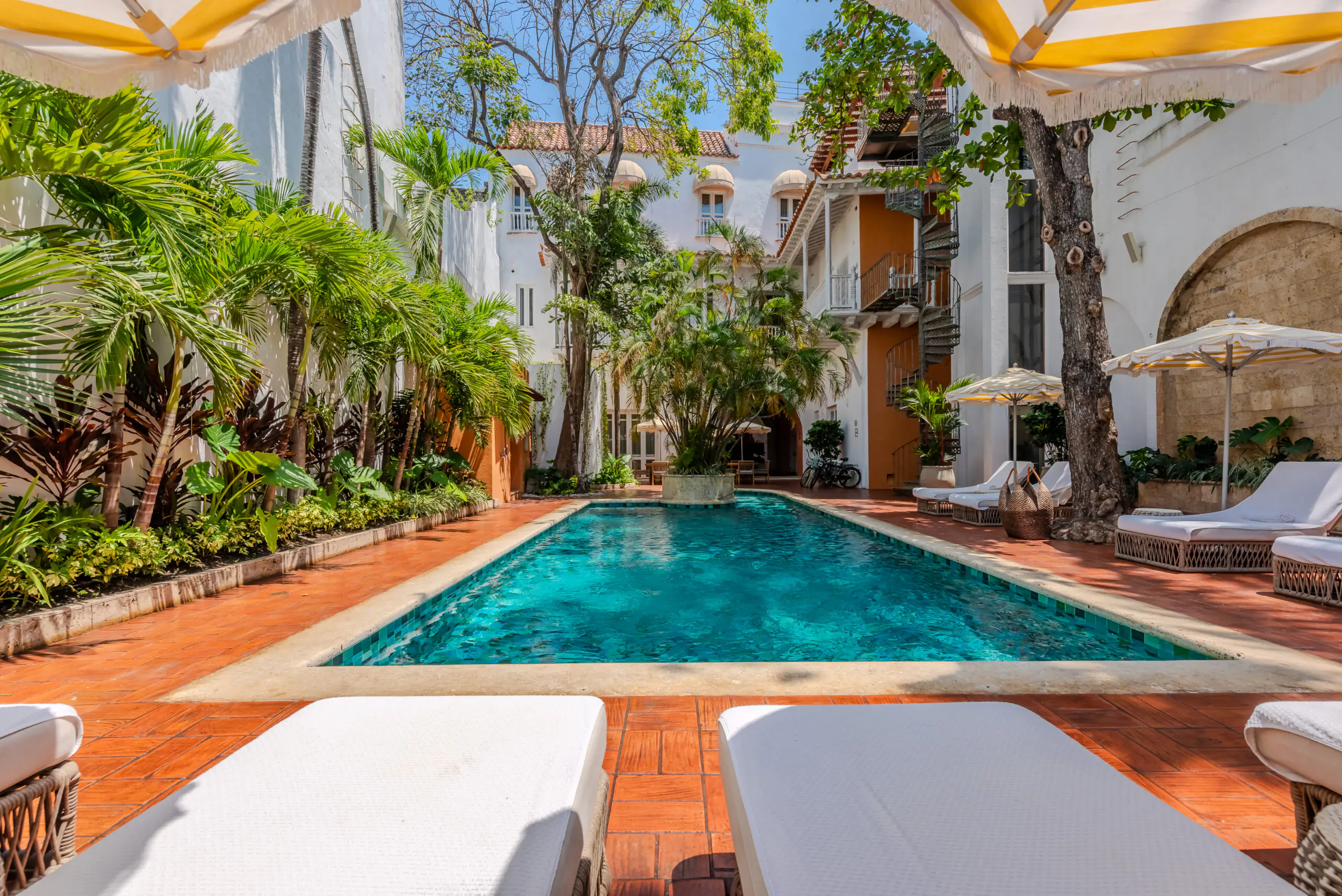
Visitors can explore cathedrals filled with religious art, shop at Colombian fashion houses such as Johanna Ortiz and Silvia Tcherassi or dine at buzzy plazas where local musicians perform nightly. Medellín’s Museum of Modern Art continues to strengthen the country’s contemporary art scene through exhibitions that confront social narratives and highlight emerging talent. The result is a cultural circuit powered by heritage to showcase some of Latin America’s most exciting hospitality openings.
Georgia
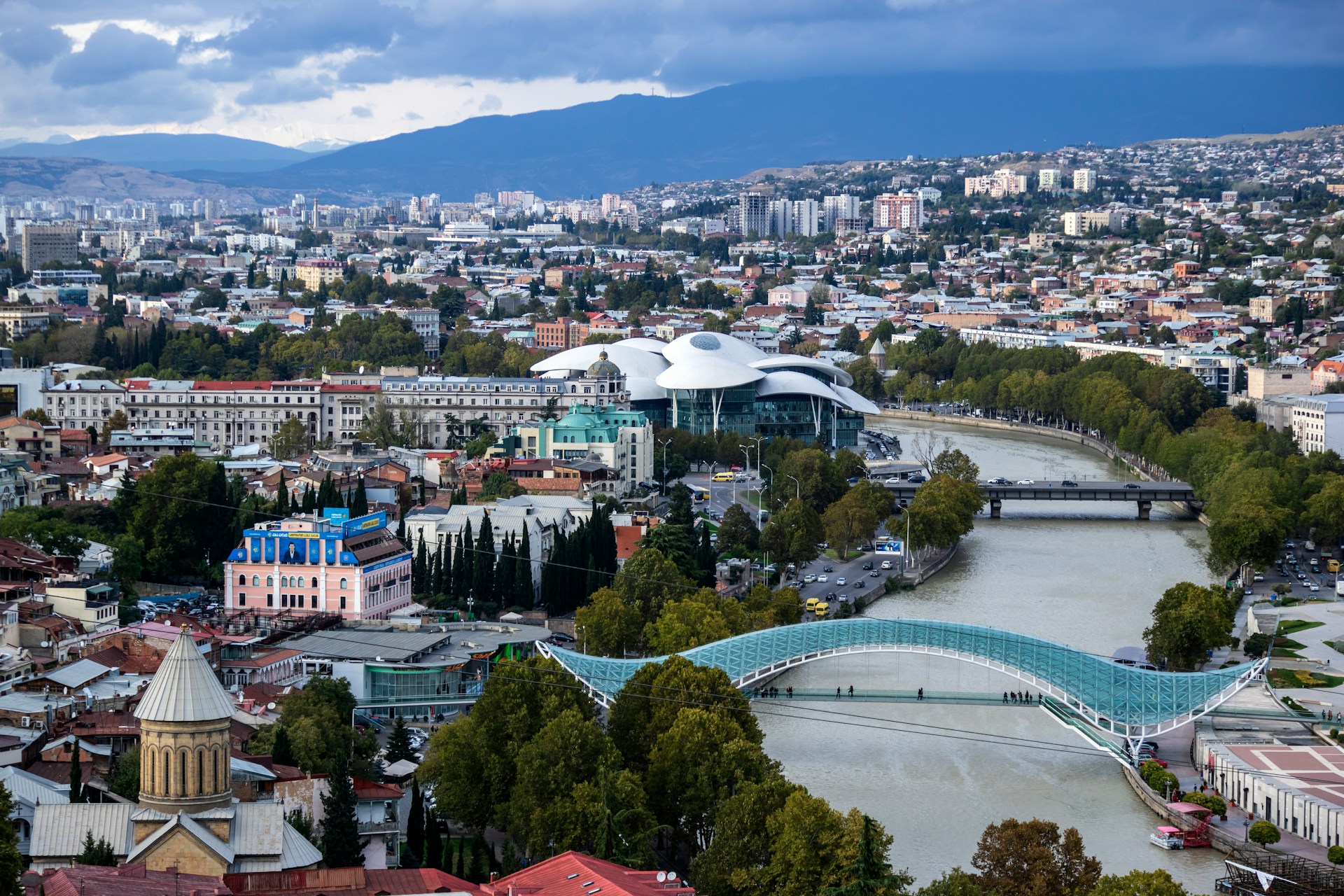
Georgia’s momentum as a new travel powerhouse comes from the way it utilises its ancient history, bringing it into the future with a modern, contemporary take. Tbilisi’s Fabrika district anchors the city’s contemporary culture, transforming a Soviet-era factory into a hub of studios, cafés and design-led spaces. Across the country, the rebirth of the Tsinandali Estate and wine regions revitalises Georgia’s millennia-old viticulture, especially in September and October when the harvest transforms the valleys. Travellers can explore Tbilisi’s sulphur baths, ride the cable car to Narikala Fortress at sunset, wander Dry Bridge Market or tour the Moorish Revival Tbilisi Opera House. Day trips highlight the monumental Chronicles of Georgia and UNESCO-listed cave monasteries. With creative hotels such as Stamba, dynamic restaurants and unrivalled wine culture, Georgia is fast evolving into one of the Caucasus’ most compelling cultural hubs.
Madagascar
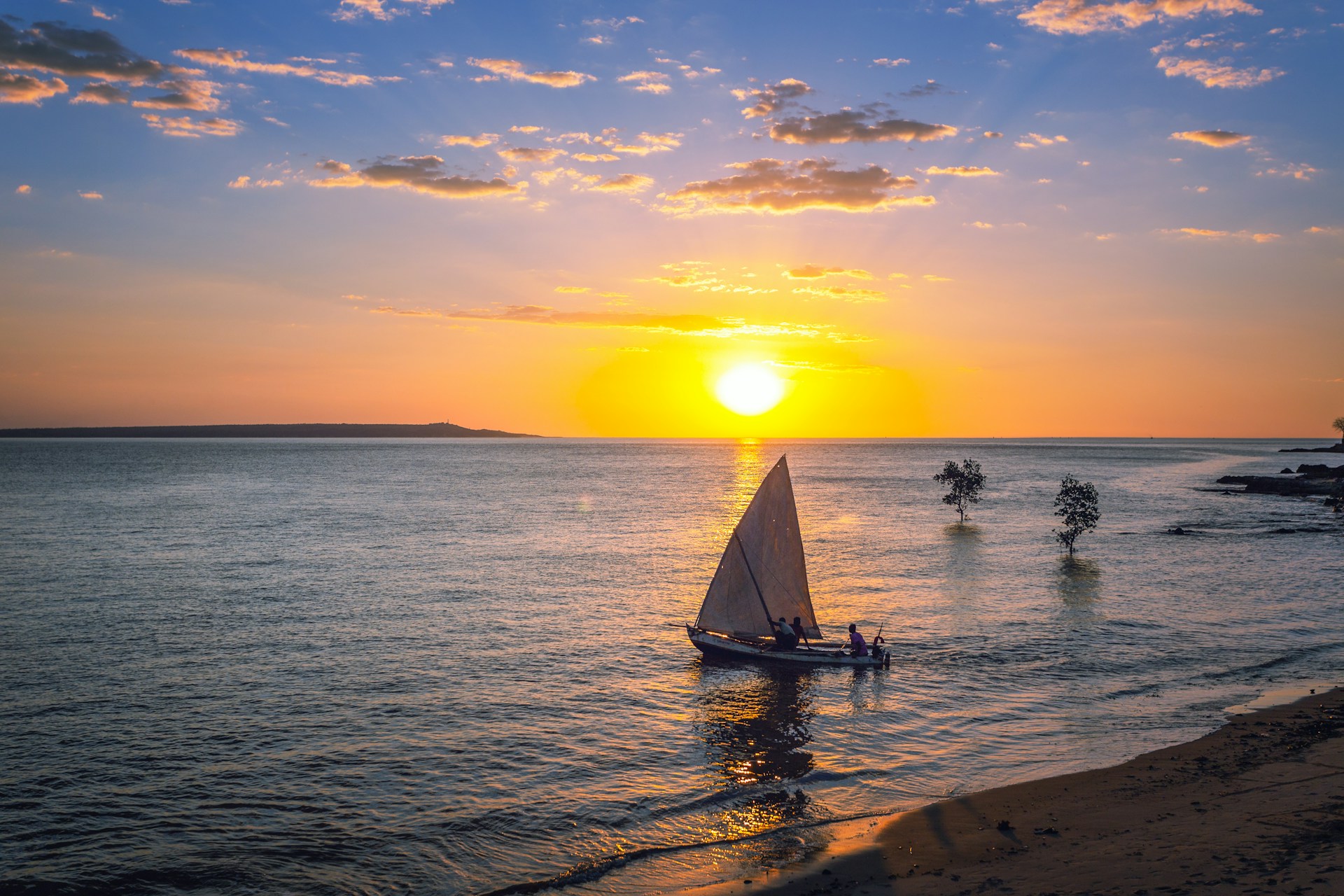
Madagascar is drawing culturally minded travellers thanks to its blend of royal heritage, artisan revival and striking urban history. The UNESCO-protected Royal Hill of Ambohimanga remains a spiritual anchor, offering insight into the island’s pre-colonial monarchy. Antananarivo showcases French-colonial architecture, bustling craft markets and studios where contemporary artisans are reviving traditional textile techniques. Boutique stays such as Grand Hotel Urban introduce a modern, design-led base from which to explore the city’s layered cultural landscape. Beyond the capital, the highlands reveal workshops specialising in handwoven “lamba” cloth and intricate “zafimaniry” woodcraft, traditions recognised by UNESCO for their cultural significance. Culinary enthusiasts can trace Madagascar’s spice heritage through vanilla farms and market-led food tours, which unpack how trade routes shaped the island’s flavours.
East Timor (Timor-Leste)
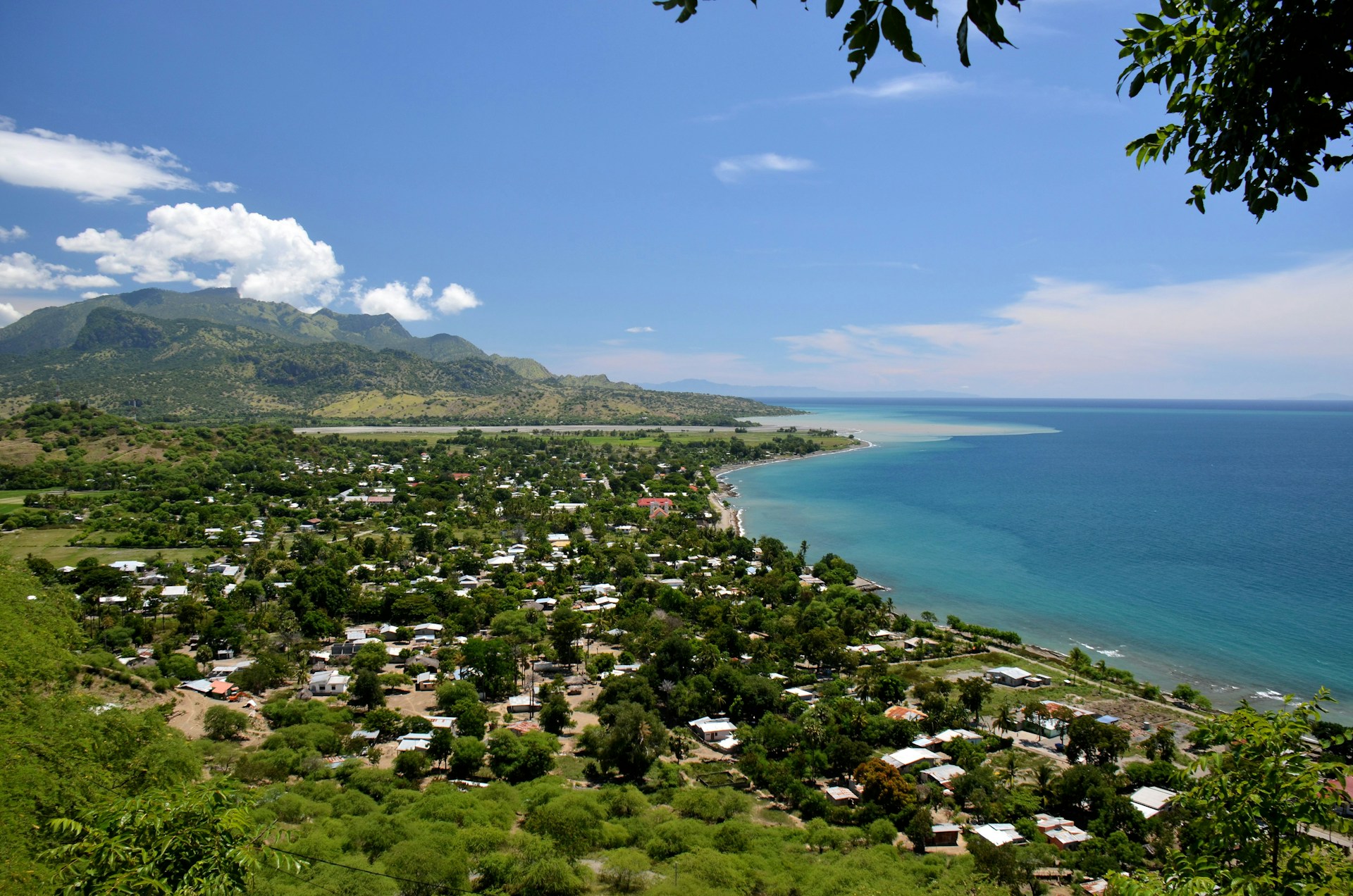
Timor-Leste is quietly becoming one of Southeast Asia’s most intriguing cultural destinations. The Resistance Museum and Archive anchors the national narrative with its powerful retelling of the country’s independence story, now drawing global interest in political heritage tourism. At the Tais Market and Tais Cultural Centre, visitors can engage with weaving collectives preserving UNESCO-recognised textile traditions, supporting community economies through direct craftsmanship. The Portuguese Quarter in Dili is evolving into a creative neighbourhood of restored colonial buildings, concept cafés and boutique guesthouses, signalling the rise of a more design-forward Timor-Leste. For travellers seeking destinations with authenticity, depth and resilience, this is one of the region’s most compelling wild cards.
For more on the latest in lifestyle, culture and travel reads, click here.
The post Travel’s Next Wild Cards: Tourism’s Unexpected Powerhouses appeared first on LUXUO.