
The Power of Storytelling in Modern Watchmaking

“We knew when we were launching a watch brand that story-telling would be by far the most important part of what we do,” says Chris Rose. “Why? Because we never want people wearing one of our watches to run out of things to tell other people about it.”
And there is a lot.
A watch by Diatom – the brand a decade in development by Rose’s specialist space marketing company Sent Into Space – comes with meteorite dial, a piece of the Apollo 11 foil heat shielding and, yes, has actually gone into space. “We kind of want people to be sceptical of that claim – because we can then demonstrate it,” he laughs. Customers are provided with a QR code linking to a video of their particular watch above the Earth’s curvature.
It is some story, but, as Rose points out, storytelling is increasingly important with watches because it is an increasingly crowded market. Basically, it is increasingly difficult to differentiate between one watch and another. This is especially true when high- end and lower-end watches share parts suppliers and movements, even as price differences perplexingly widen.
“Watch brands need a good story behind them in order to find some distinction from each other,” says Alexander Barter, author of The Watch: A Twentieth-Century Style History. “They all try to find a hook to hang themselves on – be that their heritage, or certain events, for example. It’s these things that add glamour to a watch. It’s why I think we’re seeing all these brands appear seemingly out of nowhere and claiming a heritage dating back to the 18th century, even though they appear to have done nothing in between. There’s an awareness that the customer is buying into the romance of the story, not just the watch itself.”
Marketing Quietly
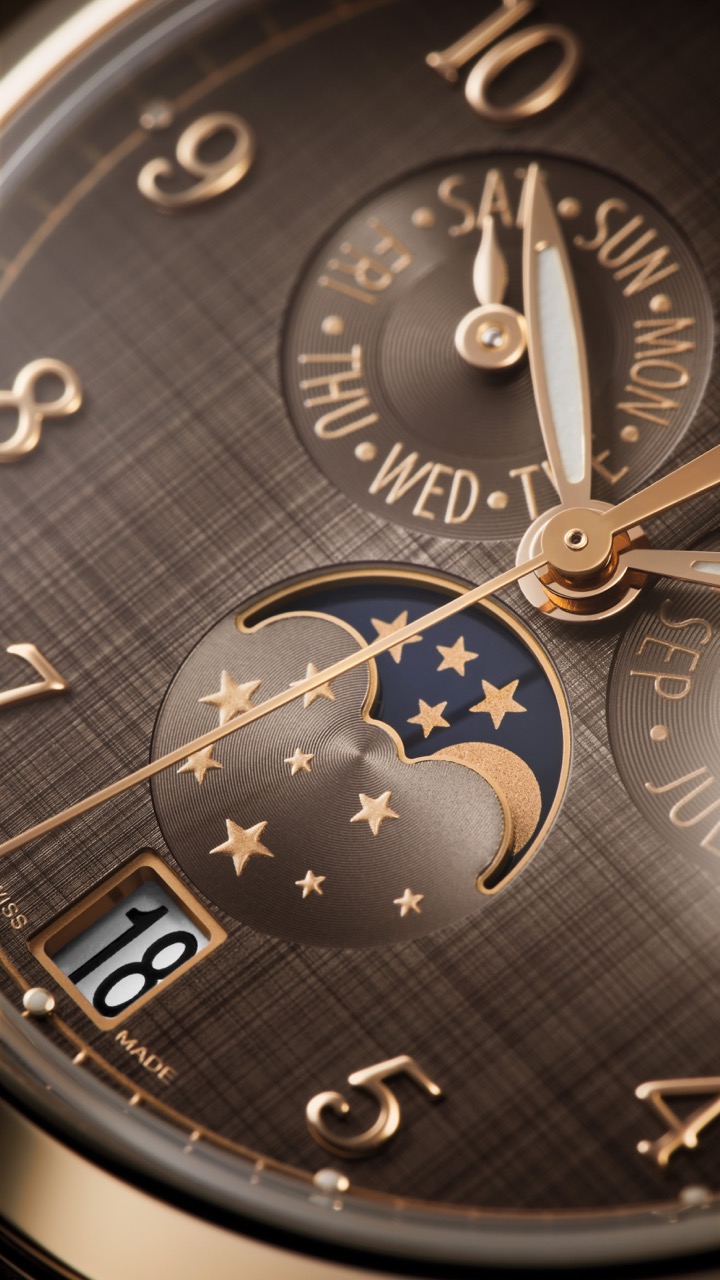
The nature of this storytelling – sometimes dubbed quiet marketing – is wide and varied. This is not just about supposed legacies of course, but claims to technical innovation – having pioneered some important milestone in watchmaking. For example, consider the attachment some models have with key historic events – from the Omega Speedmaster and Apollo moon-landing programme, to Doxa and Cousteau’s deep-sea diving.
You could add aviation, navigation and driving to the mix too. The arts and sport, too, are an endless source of storytelling, especially the very expensive attachment to artistic and sporting heroes.
Then there is the association with certain personalities, both contemporary and paid for, but also those of the past. Would the TAG Heuer Monaco, for instance, be the cult object it is without its association with a very cool Steve McQueen in Le Mans, or the Rolex Daytona to the even cooler Paul Newman? Story creates the mythos that makes a watch more than just another watch.
“We’re obviously selling a highly emotional, expensive product and I would even say that to do that now without a story around isn’t possible,” says Andreas Bentele, marketing manager for Fortis. “That’s not just with watches but any market that’s highly competitive: an Apple iPhone might not have the best camera but it has the best story. It’s story that sells the watch, not simply the watch alone. That’s why there’s so much myth-making around certain watches, often poorly evidenced, which is where the magic of marketing comes in.”
Bentele cites the development of its Stratoliner chronograph three years ago – the first watch tested in space. Doing so, he says, was about making the design super tough – “space-proof,” in fact – but, he concedes, also about creating a buzzworthy halo around the model. “You’ll be the one sat around the table with nine people wearing Speedmasters, all telling the same story that Omega has played for 60 years, and you’ll have something different to say,” he chuckles. In fact, he adds, playfully, “Omega hasn’t pushed space watch development [since the moon landings] because it’s so costly. On the other hand, George Clooney is very costly too.”
Technical Identity
There is a deeper reason why such stories are so important. According to Cathrine Jansson-Boyd, professor of consumer psychology at Anglia Ruskin University, UK, they give a product – whether a watch, a Tiffany bracelet, or an Hermes Birkin handbag – meaning beyond its function. Function is all too easily undercut by cheaper competitors.
“Stories create narratives and that’s what fixes a product in the brain better than just its technical details,” she explains. “A story generates an identity for a product and generates a means of connecting emotionally with that identity. A story is something that is also easily shared. And ‘word of mouth’ recommendation is critical now.”
But stories are made up, right? Does it matter if a story is not exactly, well, true? The elephant in the room here is the idea that most consumers just are not bothered. “Of course, if a brand has a story that is a blatant lie, then that can damage trust. But you can twist a story without outright lying [with little negative effect]. And if there’s an idea about a product that’s been around for a long time, and is ceaselessly repeated, then consumers are not likely to care much at all,” says Jansson-Boyd. “That’s one reason why brands don’t make the effort to refute what they may know not to be true [if that idea works in their favour].”
Blancpain, for example, is often acclaimed for launching the world’s first true dive watch, in 1953, even if the surprisingly dressy Omega Marine was used by professional divers for two decades prior to that. Consciously or not, Blancpain clearly benefits from this misunderstanding. Why would it challenge it? Heuer created the first automatic chronograph, Seiko brought one to market first, and Zenith was the first with a fully integrated automatic chronograph movement. It all depends on how you cut the cake…
Red Flags
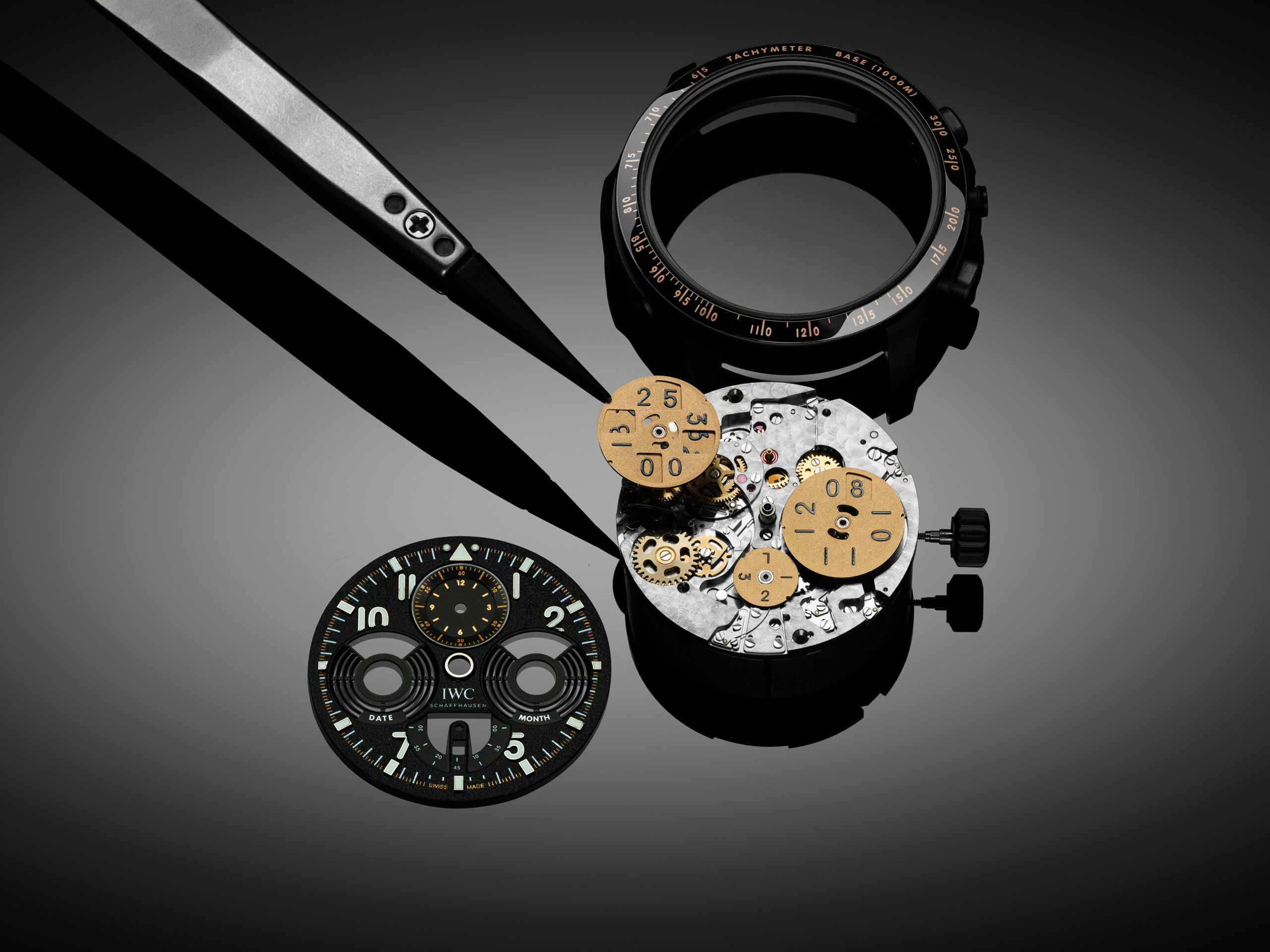
“This is all, after all, very different to, say, a drug company making a specific claim that turns out not to be true,” says Philip Graves, founder of behavioural insights consultancy Shift, which advises various industries on better understanding how consumers actually think. “Frankly, with luxury goods especially, consumers are complicit in that they like to be engaged with the myths around a product because it makes their choice easier and makes them feel good after making their choice.
“Myth is the mojo of the product they’re buying into,” he adds. “So how much of the money a watch company spends promoting its products would it have to spend to correct a false idea [given that they take on a life of their own and now echo endlessly across the Internet]? And then who would hear it? Maybe a few anoraks would think it was interesting, but most consumers would simply filter it out.”
That is a crucial distinction. If the vast majority of watch buyers are more or less happy with the stories being spun, it is a small minority of watch enthusiasts who raise the red flag. Inspired by A Few Good Men, they shout “you can’t handle the truth! You have the luxury of not knowing what I know.”
One such enthusiast might be Jose Perez, of the watch blog Perezcope, who has won a deserved reputation for his forensic, if obsessive, detective work into the histories of watch brands. He has become a thorn in the sides of brands when pointing out that some histories do not stand up to scrutiny. For example, records do not exist for one company to claim, as it does, to have been founded in the 18th century – and that such claims are rather a product of decades of “playing around with history”; or that another cannot claim to have invented a certain advance in watchmaking, rather to have stood on the shoulders of specialist giants.
“A story generates an identity for
a product and generates a means of connecting emotionally with that identity”
— Cathrine Jansson-Boyd, professor of consumer psychology at Anglia Ruskin University, UK
Straight Talk
He argues convincingly that, since the truly ground-breaking achievements of watchmaking – the first chronograph, the first dive watch, and so on – were decades ago, and that it now progresses in tiny increments, and then mostly at the high-end of the industry, watches of today have barely changed from products of previous generations. Consequently – more than ever, and more than anything – they are symbolic objects. But, he suggests, the more watches are seen as these objects of art and craft, rather than as tools, the more important it is that makers get their stories straight.
Rolex, he says, by way of example, does not have to keep riding the wave of the unsupported idea that it invented the first water- resistant watch. It did not. Fortis, to name just one, made such a watch years before, in 1915. But, he asks, is it not a great enough story that Rolex perfected developments by previous watchmakers to create an iconic product? Or is that too subtle a message for today’s media landscape and its rapid-fire turnover of ‘content’?
Perhaps part of the problem, historically, was always semantic: that brands took shortcuts with their explanations because the long version got boring and overly-technical to most consumers, even if other brands have insisted on giving that nonetheless. Patek Philippe, for instance, did not make the first moonphase wristwatch, as it is sometimes credited with doing – it made, as it has always maintained, the first serially produced moonphase wristwatch.
Rolex once claimed to have invented the self-winding movement – it actually invented the first with a rotor mechanism. Indeed, John Harwood, inventor of the self-winding movement (again, first used in a Fortis model) consequently sued, leading Rolex to issue a court-ordered apology in a 1956 advertisement. Likewise, when Rolex first promoted its Oyster, it did so as the “first waterproof watch without the use of perishable materials” – true, but hardly snappy. No wonder, over time, the “perishable materials,” part did not survive, even if that led to a popular untruth.
The Responsible View
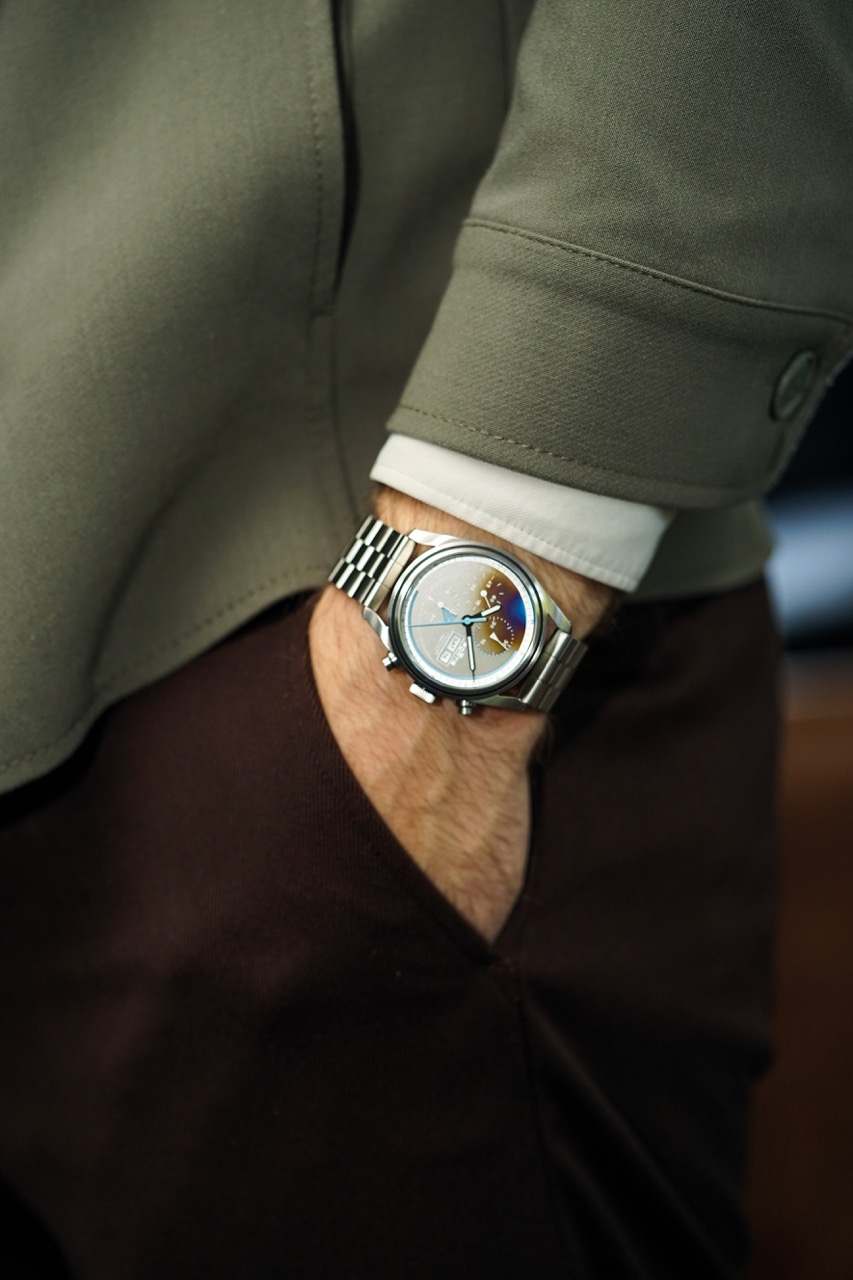
And sometimes, well, Machiavellian marketing, grudgingly admired, prevails – and fair enough. Rolex did not ever claim that it was the first watch to summit Everest. It was just quick to publicly congratulate Edmund Hillary when he did scale the world’s highest mountain – wearing a watch by Smith’s – quoting the mountaineer on how well his Oyster had performed on “his climb”. Not the Everest climb, but a previous one.
“Watch brands really push on these stories now because it’s getting harder and harder to just sell a watch [on its own physical merits],” Perez says. “They have to sell a story. And often these are super-interesting. [When there are errors] the best-case scenario is that a brand has a great history but doesn’t know how to tell it. But in the worst case, they just invent a history with some bullshit stories. And that certainly matters to people who live and breathe watches.”
The problem, Perez reckons, is that most long-established watch companies do not have in-house historians to give strict overview. And even then it is, he concedes, a huge undertaking to connect all the dots in most companies’ disorganised archives, if they have archives at all, which is one reason why errors appear in even authorised books on certain watches or watch brands.
“But they probably should have an historian if history is so important to them,” he says. “Instead, all the power goes to the marketing department. And if they’re putting these stories out into the world, they should take responsibility for them.”
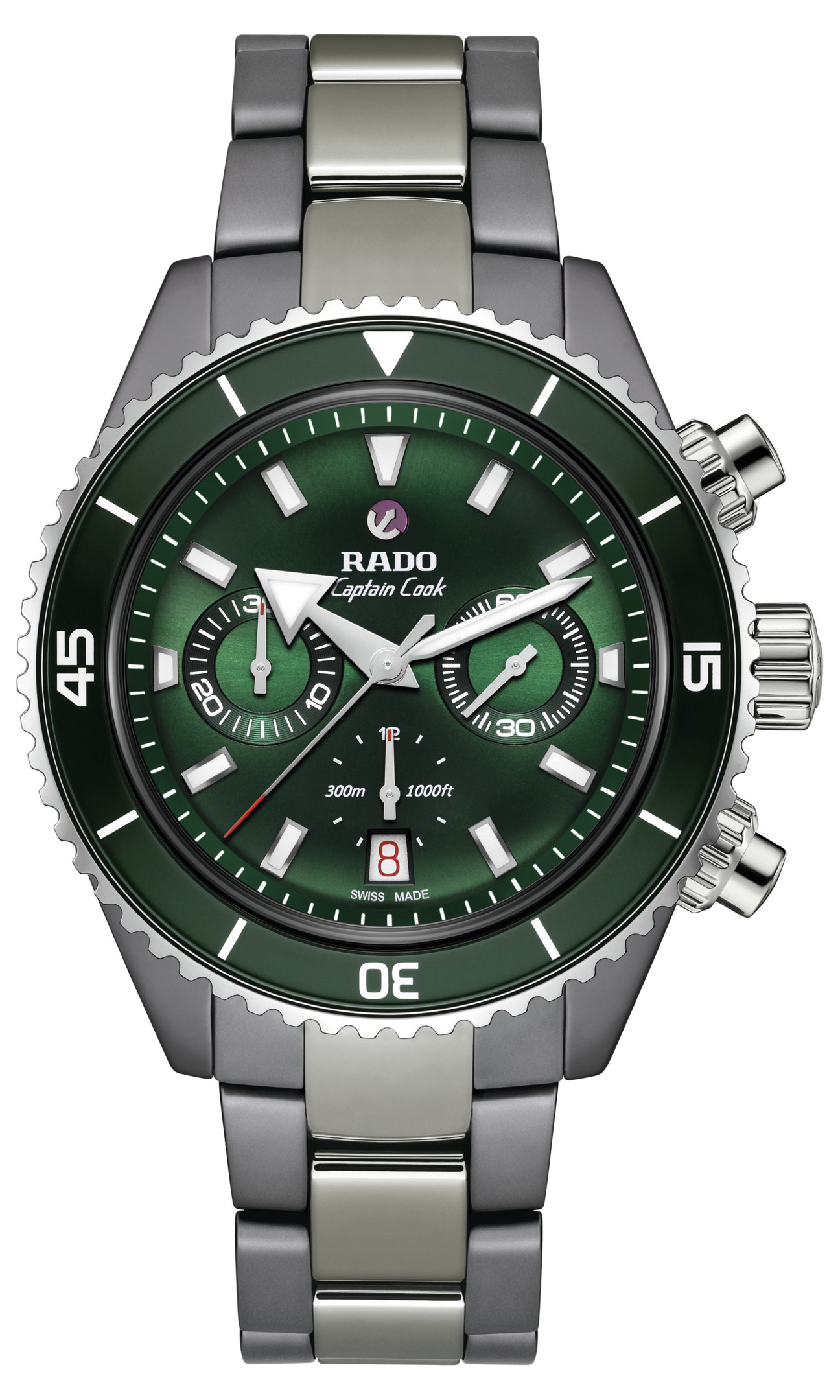
Or, maybe, at least be cautious. Rado, for example, is often credited with being the first company to make a ceramic watch – this story is central to the appeal of its watches. And yet – no doubt aware that IWC launched a ceramic watch the year before – Rado only claims that its Rado Ceramic of 1986 was “possibly the first watch in the world with bracelet, crown and case made entirely of this high- tech material.” Well put indeed.
Other brands may find that their hands will be forced, by the Internet, if nothing else. If so, we may be moving into an era of ever greater transparency, one that is particularly acute for new brands. As the co-founder of HTD, Federico Zulian, puts it, “for the big, historic brands the aura surrounding their most famous models has long since over-taken ideas of truthfulness” – those auras have become embedded, embellished or simplified “but newer brands can’t think like that because all eyes are on them, even as they still acknowledge that storytelling, alongside design, remains one of the most important ways of giving life to a watch.”
“Watches were made to tell the time, but that’s clearly not the case anymore. I’d say that the purpose of a watch now is story-telling”
— Edward Margulies, watch management veteran and founder of Split watches
Not In The Playbook
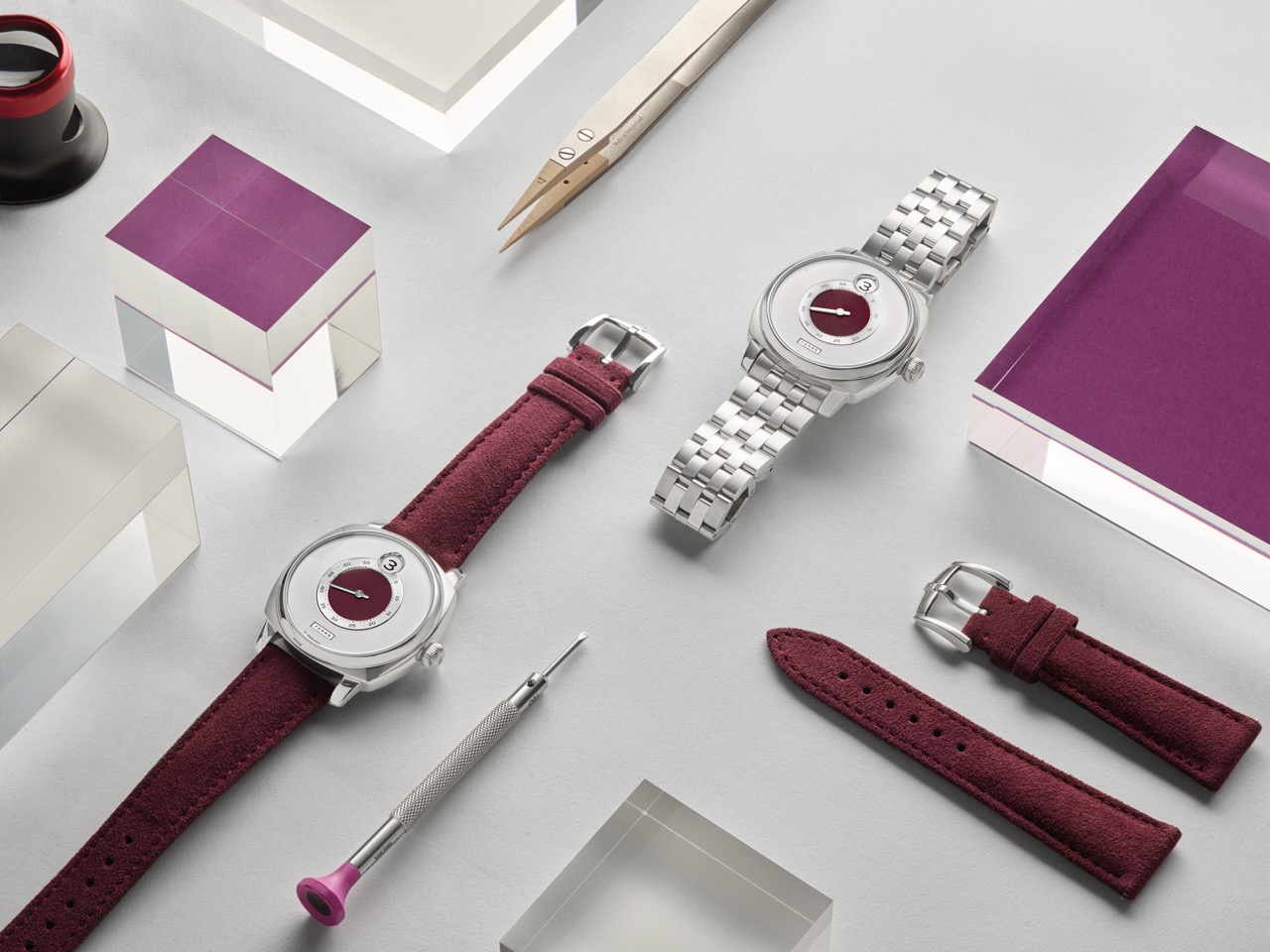
Undoubtedly, not everyone in the watch industry will like it being pointed out that their stories are tenuous. In recent years, some have already started to very quietly make corrections to their websites and press materials. When Nicholas Bowman-Scargill re-launched the Fears Watch Company a decade ago (it was originally founded by his great-great-great-great-grandfather), he was upfront about the four-decade gap in its timeline, during which the name was dormant. He even listed where all of his watch parts were sourced. An unnamed Swiss watch industry consultant called him an “idiot” for doing so.
“Why? Because [transparency] isn’t part of the Swiss industry’s playbook,” says Bowman-Scargill. Maybe that is why there are plenty of watch brands – big, famous, high-prestige ones – who continue to make unsupported claims. Or why plenty of other brands have been resurrected after decades of dormancy – and by business people with no connection with the founders – without this inconvenient truth being addressed.
It is a testament to the power of the story that, again, maybe this just does not matter to many, and even to those with industry insight. “I recently bought a lovely Dennison watch even though I know the brand has been purchased and has no relationship to the original. I fell for it, in some sense,” laughs Bowman-Scargill. “Why? You’d probably need to speak to my therapist. But [even though I know all the facts] I still wanted to buy into the Dennison story”.
It is certainly an old story – Dennison was founded in 1874 and closed in 1967, the name being revived last year – but maybe it is an old story in more senses than one. It is an open question as to whether consumers are still impressed by longevity for its own sake. Does being the first to pull off some technical accomplishment a century ago still really hold weight, in a broad marketplace in which it is today’s disrupters who are celebrated, not those of the 1800s? Do today’s 25-year-olds even know who Paul Newman is?
Tuning Out
And does the watch industry’s default marketing imagery – cue speedboats, big houses, fast cars, executive tailoring, fighter jets, rugged men with square jaws for some inexplicable reason just holding their watches near their famous faces – not look incredibly dated in 2025, not to say unimaginative, especially to those younger generations already wondering why they would ever buy a watch?
“So little of this kind of marketing cuts through now. Most people just tune out of it, barely even notice there’s a watch there,” reckons Chris Rose. “The industry needs to find reasons for people to pay attention again – and that comes through properly genuine stories.” The question, given the additional challenges to how the industry prices and distributes its products, is what kind?
“Watches were made to tell the time, but that’s clearly not the case anymore. I’d say that the purpose of a watch now is story- telling,” says Edward Margulies, watch management veteran and now founder of Split watches, which, instead of toeing the standard high-gloss luxury line, is connecting its more counter-cultural messaging to mental health matters, with each purchase donating to charity some of the costs of therapy for a young person. Fears too is doing something similar, for a suicide prevention charity. It is all serious and grown-up stuff – and a million miles from the usual ye olde-meets-macho watch storytelling.
“Of course, building a glamorous aura around a product has long been a key part of selling, across the luxury industries. But I think we’re at the point now where people have so much information there’s now a scepticism about all the historic and other claims being made,” Margulies adds. “They’re questioning [those old story tropes] in favour of a new kind that strikes them as more meaningful”. Might it be time for the watch industry’s story to start a new chapter?
This story was first seen as part of the WOW #81 Autumn 2025 Issue
For more on the latest in luxury watch reads, click here.
The post The Power of Storytelling in Modern Watchmaking appeared first on LUXUO.