
The New Wave of Designers Transforming Architecture, Interiors and Product Design
The design industry is electrified with a dynamic cohort of rising stars in architecture, product design and interiors, whose innovative visions are fundamentally redefining the landscape. In 2025, a new generation is commanding the global stage and they each break conventions and capture the world’s attention, bringing exceptional creativity and fearless experimentation to their approach. LUXUO spotlights the pioneering designers whose groundbreaking visions are earning international acclaim and transforming the way consumers engage with design.
Francesca Lazavecchia – Rising Lighting Designer

Italian designer Francesca Lanzavecchia was born in Pavia in 1983. Her work is characterised by its bold, eclectic and human-centred style. She developed a multi-layered philosophy that views design as a universal visual language after graduating from the Design Academy Eindhoven and Politecnico di Milano. Her design process combines engineering, research and storytelling to create objects that are both deeply symbolic and useful, artistically reshaping the existing conventions of light fixtures.
Read More: 8 Next Gen Visionaries Redefining Design
Whether in furniture and interior design, her focus is centred on Universal Design to create accessible products that enhance the human experience. These elements create intimate emotional bonds by carrying the customs and tales of everyday life. She co-founded the multidisciplinary agency Lanzavecchia + Wai in 2010, where she still serves as creative director. She works as a restless design nomad and storyteller between offices in Singapore and Pavia.
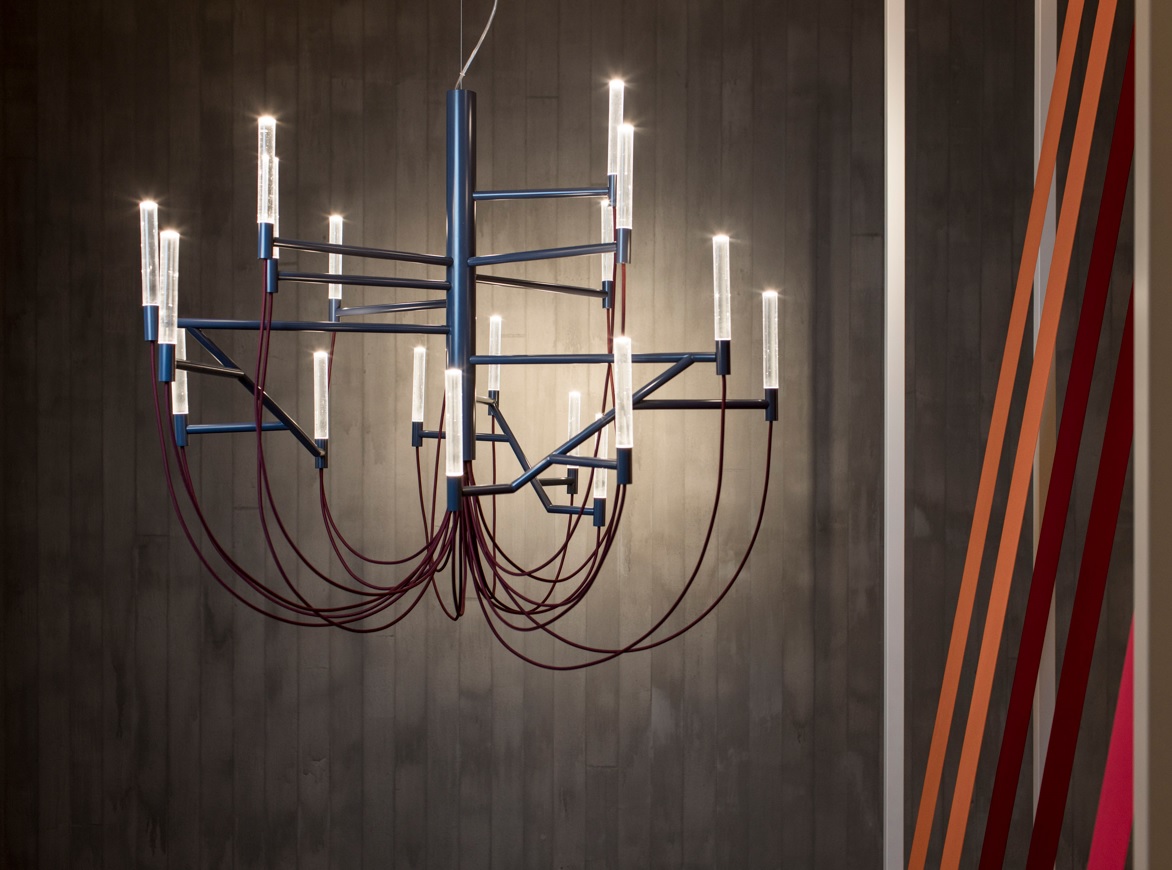
She showcased a new chandelier by Forscarini called “Allumette” during the recent Euroluce 2025 lighting exhibition in Milan. According to Lanzavecchia, the chandelier archetype should be reconsidered in terms of its design poetry and lightness, as well as the shifting trends in technology. She describes how she views design as “solving conflicts” and how her two ideas do more than add light to areas.
Lanzavecchia’s exquisite example of engineering poetry is the Allumette chandelier. Her design concept of resolving conflicts is realised through a play of startling contrasts — geometric tension against soft light, substantial structure against transparency and purposeful asymmetry against delicate balance. The original candle and classic Venetian shapes inspire these contrasts. She simplifies the chandelier to its most basic components using an engineered approach. When ignited, the real magic happens; light passes through clear tubes and emerges at frosted ends, turning the building into a constellation of floaty flames. The familiar becomes delightfully new because of the intensely personal and emotional experience this produces.
Connie Wan – Architectural Designer Shaped By Nature-Focused Spaces

The portfolio of architectural designer Connie Wan — senior associate and studio lead at Büro Ole Scheeren — demonstrates a deep commitment to creating immersive, nature-focused spaces. An intricate fusion of sustainable luxury, sensory experience and local context distinguishes her work. She designed a high-rise ecological leisure complex for Sanya Horizons in China, enhancing its lush waterfront location. This strategy is also used in the Abaca Resort Mactan, Philippines, where the design process incorporates traditional vernacular and rainforest elements to create cosy areas that highlight local crafts and expansive sea vistas.
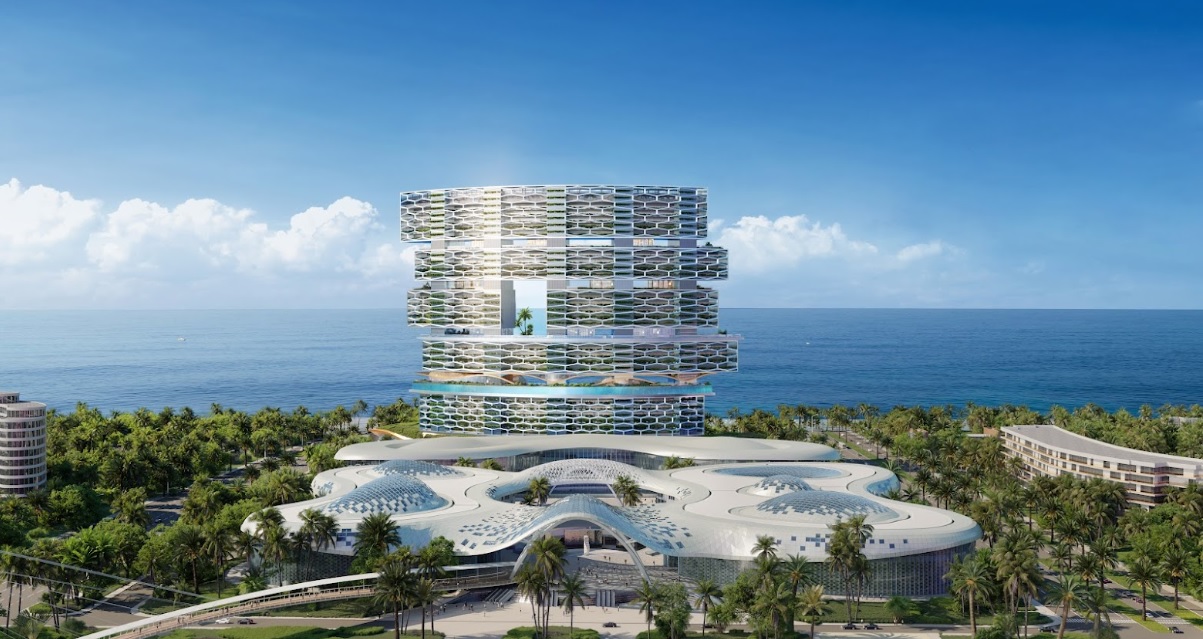
Sanya Horizons, China. Image: Büro Ole Scheeren (left),
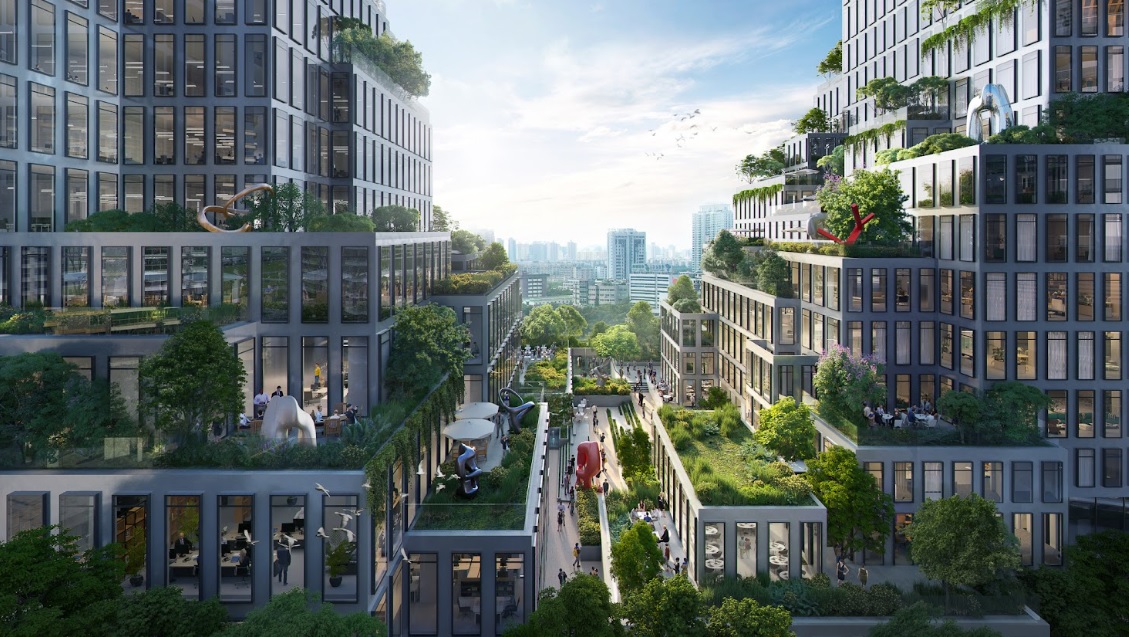
Urban Glen, Hangzhou, China. Image: Büro Ole Scheeren (right)
The “Urban Glen” project — which combines natural and constructed topographies to harmonise offices, a Rosewood Hotel and recreational areas into a single, integrated setting — demonstrates how her vision extends to urban projects. Wan will be speaking at the upcoming FIND – Global Summit 2025 (11–13 September, Marina Bay Sands Singapore). She is part of a panel tackling a pressing topic: “Pragmatic Sustainability: High-Density Transit-Oriented Development in Asia.”
Nic Graham & Associates – Hotel Designer Who Embraces New and Old Elements
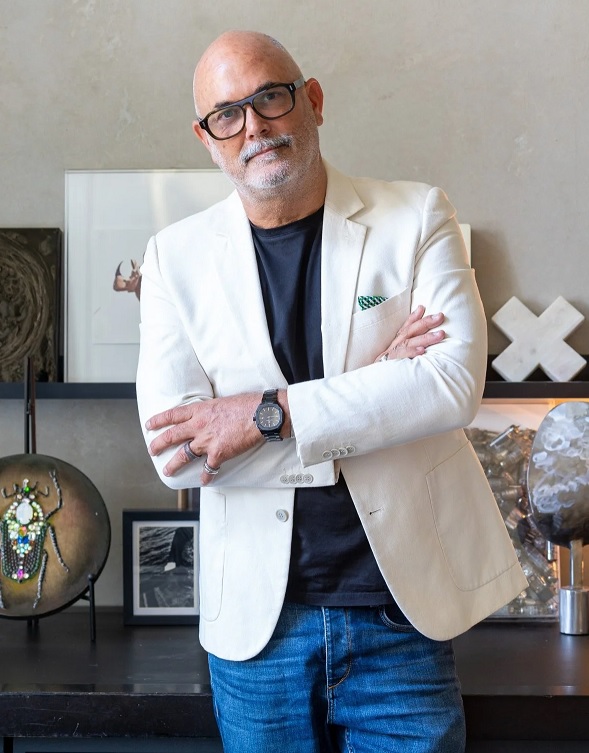
In 1998, Nic Graham established his Sydney-based interior design firm, specialising in high-end residential, commercial and hospitality projects in the Asia-Pacific area. The renowned W Hotel in Hong Kong marked his breakthrough and the award-winning QT Hotel Sydney cemented his reputation for vivid, eccentric interiors, graphic details and intense colour in 2012. Graham is actively involved in every project, leading a small, committed group of designers, architects, craftspeople and partners — from florists to artists — to ensure that every element, from the initial drawing to the final handover, radiates individuality and intent.
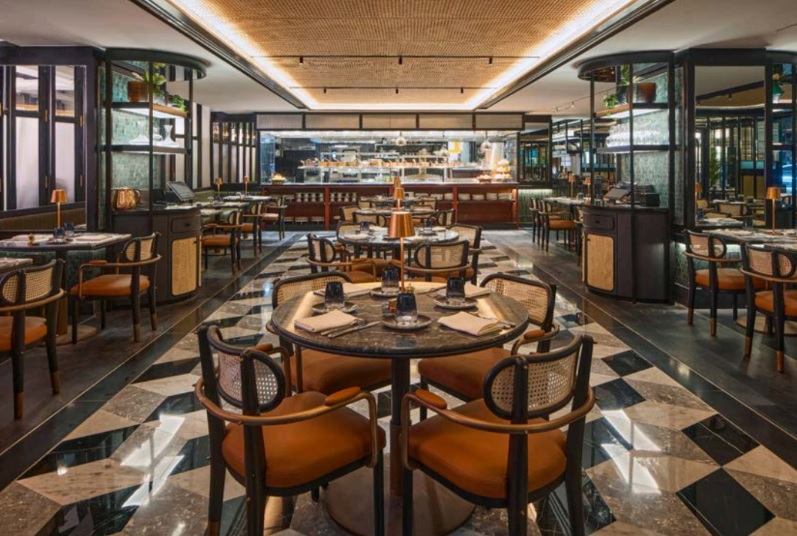
Restaurant interior at QT Singapore. Image: Nic Graham (left),
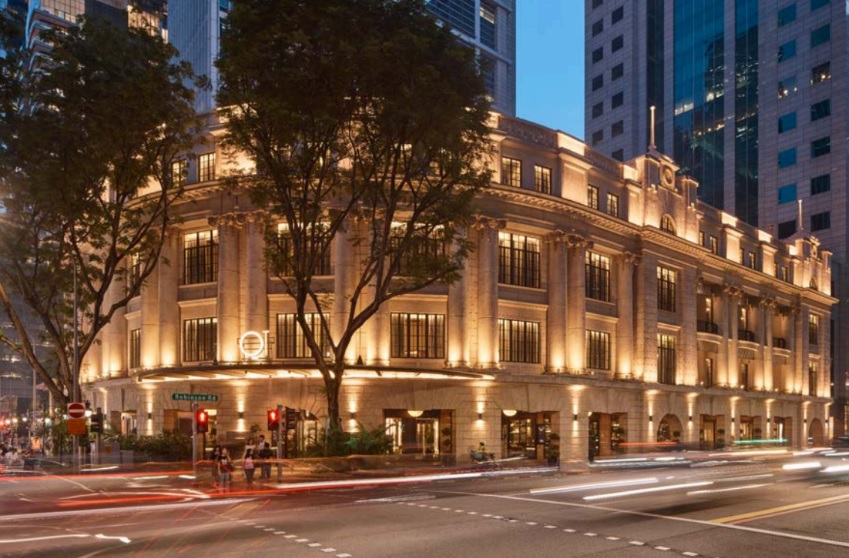
Facade of QT Singapore. Image: Nic Graham (right)
The design community is taking notice of Graham’s latest creations. One of the highlights in his career is the interior design for the 134-key QT Singapore, which artfully balances modern whimsy with tradition. The project — which is housed in the renovated neo-classical Telegraph building — honours the building’s architectural past while incorporating QT’s distinctively lively vitality. With custom features like woven rattan, black framing and creative furniture, Graham’s vision includes a striking, artistic use of colour that reflects Singaporean culture. With their opulent facilities and innovative technology, the incredibly roomy apartments provide a delightfully quirky experience. The captivating rooftop pool area — which seamlessly blends modern luxury with natural elements against the backdrop of the metropolitan skyline — is the culmination of this.
Paolo De Simone – Interior Designer with Sustainability-Focused Mind
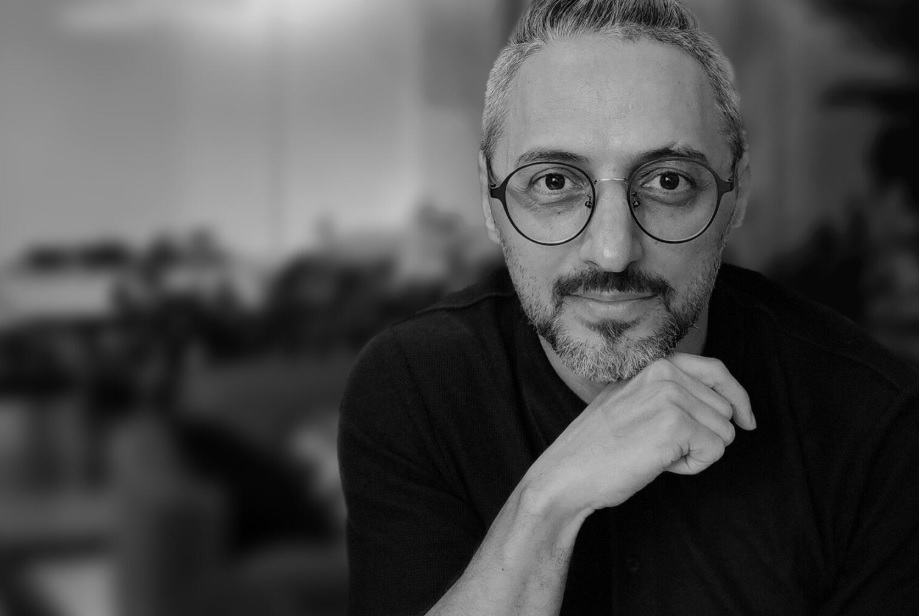
Studio director Paolo De Simone of WATG & Wimberly Interiors is a firm supporter of sustainability and believes that all his construction projects should reduce carbon emissions. Lagen or Resort El Nido Lagen Island is an eco-sanctuary and private island in the Philippines’ Bacuit Bay, which is part of El Nido, Palawan. It will be a historic redevelopment project and an incredible partnership between Ayala Land Hospitality and WATG & Wimberly Interiors (WATG) and it is scheduled to open in September 2025. By establishing Lagen Island as a prominent eco-sanctuary and building on Ayala’s tradition of sustainability, cultural heritage and regenerative tourism, the project seeks to establish a new standard for responsible luxury.
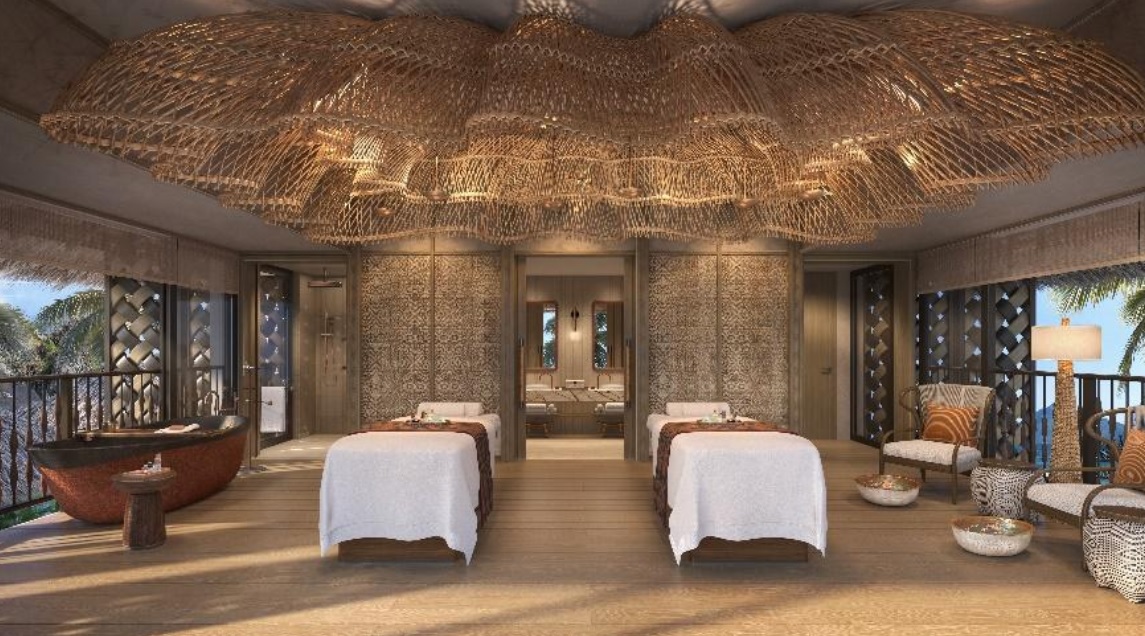
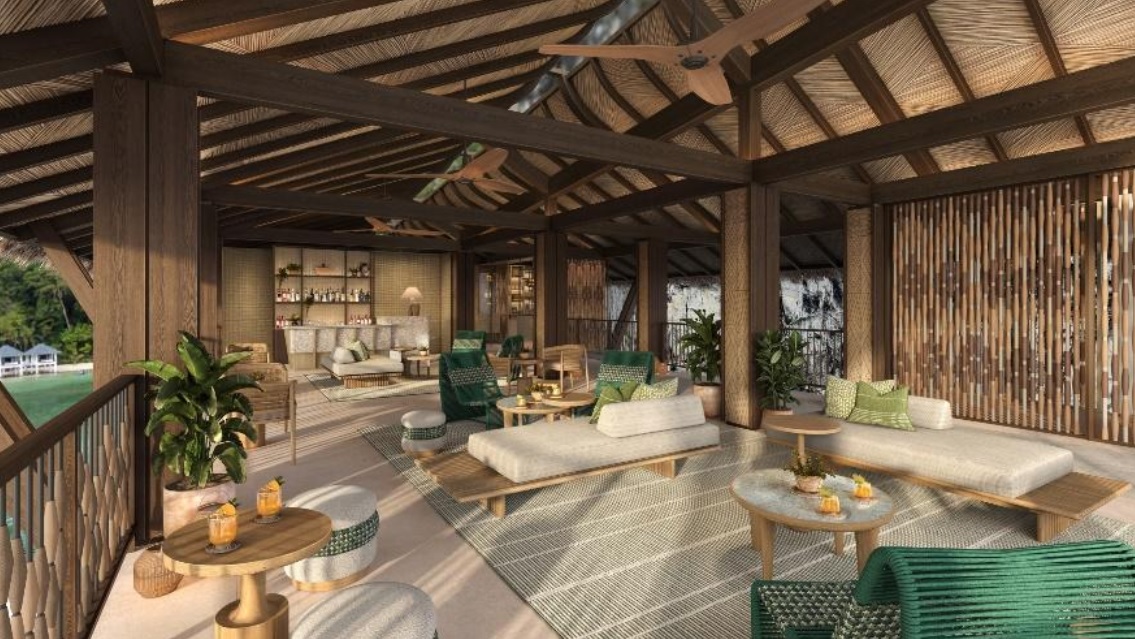
Spa at Resort El Nido Lagen. Image: WATG. (left)
Hotel suite design at Resort El Nido Lagen. Image: WATG. (right)
According to De Simone, this seafront property is his most incredible creation to date. De Simone had to work with several teams — which included WATG’s Advisory, Architecture and Wimberly Interiors teams— to conserve the area’s natural beauty, honour local crafts and tell stories based on the land’s history was undoubtedly a tremendous endeavour.
“We wanted to avoid unnecessary new emissions and support a circular economy in the built environment,” De Simone joked, giving a reference to sustainability. To prolong the life of this valuable resource and deepen the resort’s story, the old building components were preserved and the Nara wood flooring from the guestrooms was thoughtfully repurposed into feature screens and wall panelling in the All-Day Dining.
De Simone ensured that the companies they chose — such as Bolon and Atlas Concorde for vinyl flooring and natural marble-terrazzo for other applications — adopted a sustainable approach. A handcrafted ceiling feature at the spa reinterprets the natural craftsmanship of bird nests, offering a visual and poetic representation of safety and refuge. The outcome is a hyper-localised resort that showcases the finest of Filipino hospitality. Local craftspeople and artists were hired to make the resort come to life, which improved the neighbourhood and added value.
Jiří Pačinek – Czech Master Glass Maker
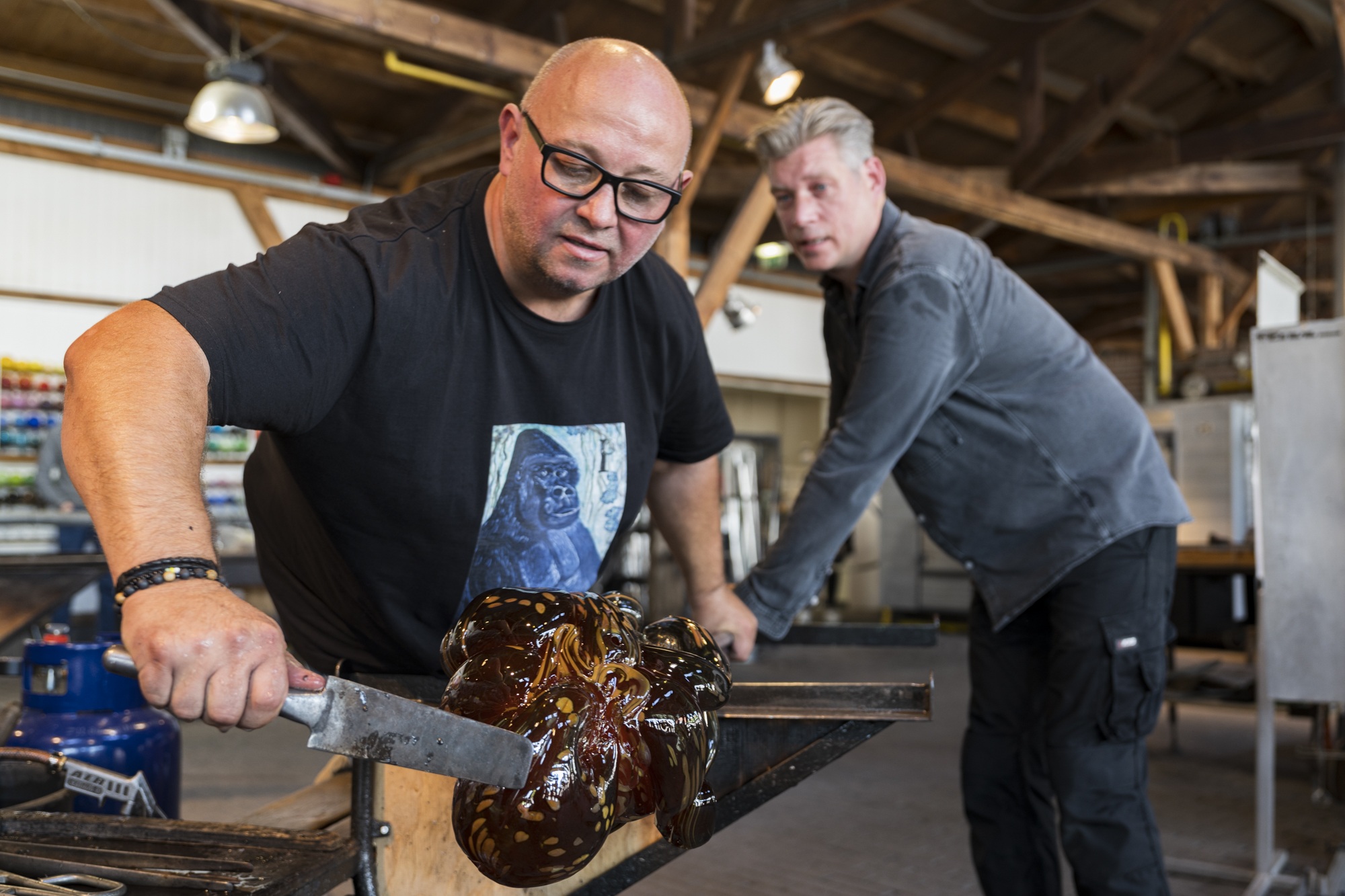
Jiří Pačinek — a distinguished master of contemporary Czech glassmaking — was born in Litoměřice in 1972 and is well-known for his extraordinary technical proficiency and creative vision. After receiving official training at Nový Bor, he went on to play a crucial role at the illustrious glassworks in Chřibská and Ajeto. Under the guidance of glass guru Petr Novotný and architect Bořek Šípek, he honed his skills at Ajeto. A formative stay in the United States further enhanced his experience.
Known as a skilled glassblower, Pačinek has garnered significant accolades and collaborated with artists from around the world. He founded his own glass company — Pačinek Glass, in 2007 — and it has now grown into a sizable complex in Kunratice u Cvikova. With its studios, exhibition and the well-known Crystal Garden, this centre draws collectors from all over the world and highlights its essential cultural contribution. His efforts — which include creating more than 60 sculptures for the movie Glass Onion: A Knives Out Mystery and projects like the Glass Path — ensure that he is not only conserving but also creatively reimagining the renowned Czech glass tradition for a global audience.
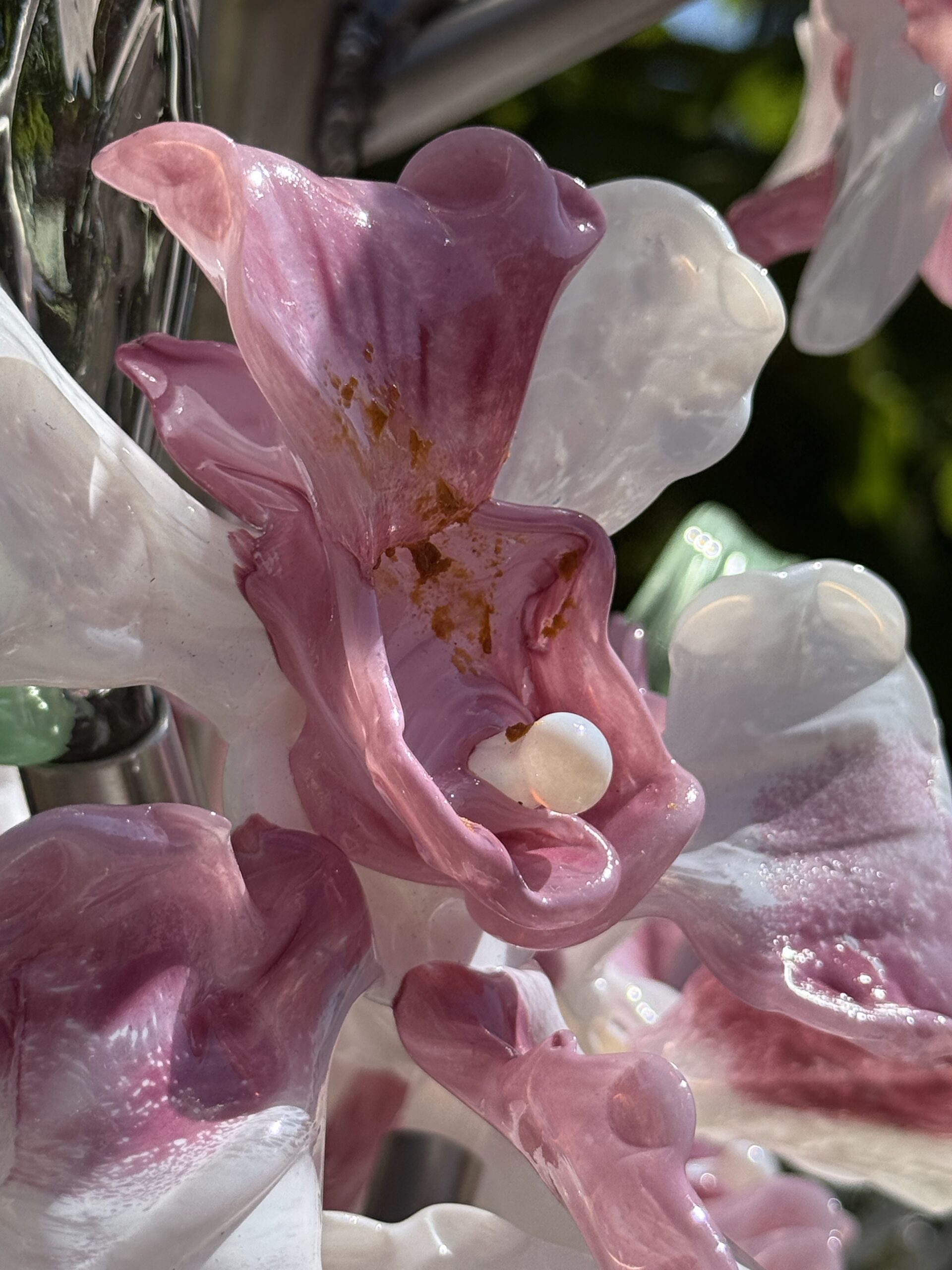
Intricate details on the glass work of an orchid flower. Image: Jiří Pačinek. (left).
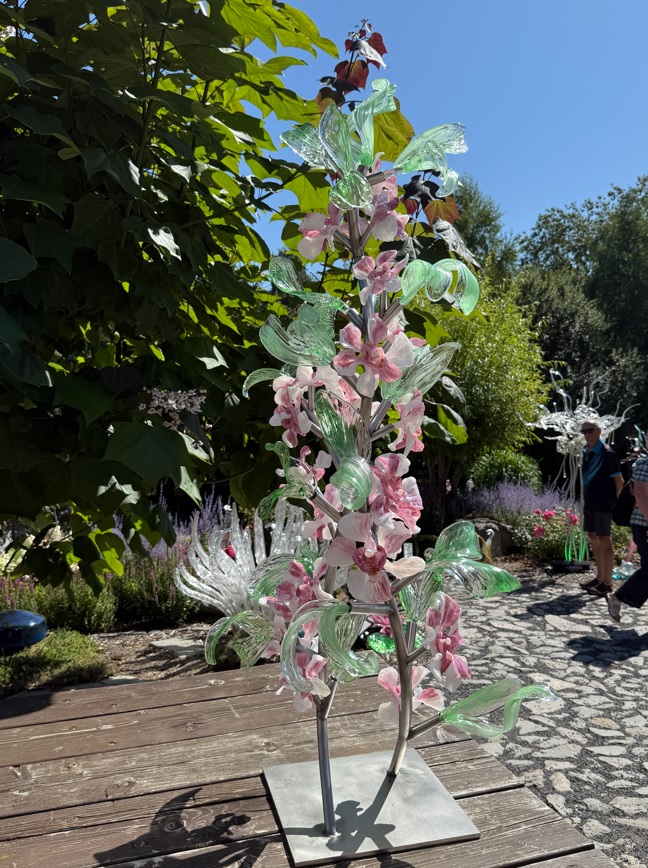
The standing orchid glass work structure by Jiří Pačinek. Image: Jiří Pačinek. (right)
A unique glass sculpture for Singapore’s SG60 was created by Czech master Jiří Pačinek and Singaporean glass artist Guangjun Kung in a stunning act of cross-cultural celebration. Through the prism of a deep artistic conversation, the work reinterprets the orchid — the country’s national flower and a symbol of resiliency and diversity. This partnership beautifully contrasts Kung’s modern, self-taught style with Pačinek’s centuries-old Bohemian techniques. The orchid is more than just a piece of art; it is a delicate yet potent symbol of unity that unites two distinct artistic trajectories into a shared narrative of innovation and tradition.
Lucas Simões – Modern Brazilian Furniture Designer
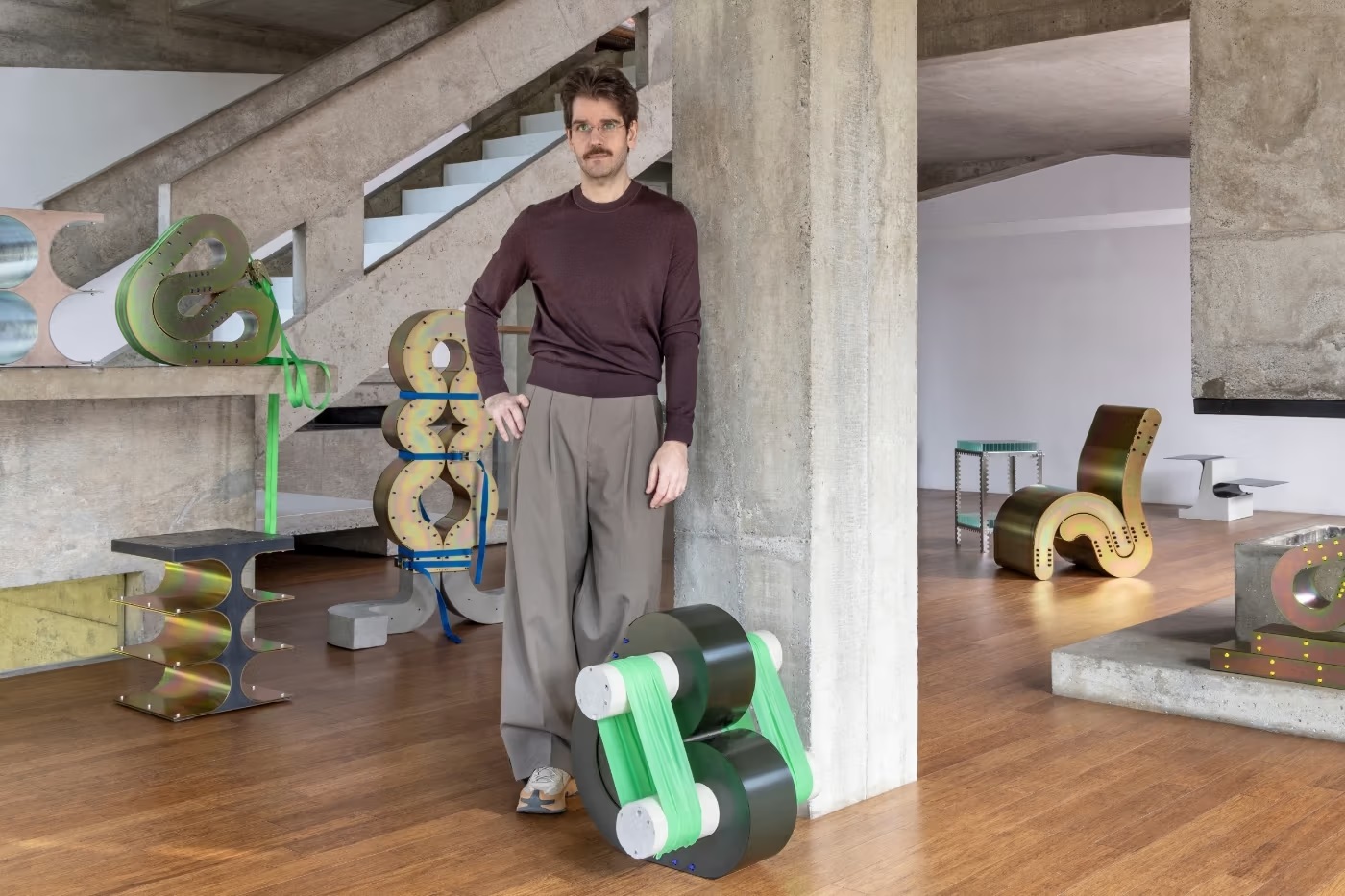
“Colendra” — the first furniture collection by Brazilian artist Lucas Simões — is a striking move from art to practical design. His distinctive sculpture language — which involves manipulating industrial materials to produce a sense of organic fluidity and dynamic tension — is reinterpreted in this collection. The collection’s centrepiece is the eponymous chair, a visually arresting item made from a single, spiralling band of powder-coated aluminium that serves as both the seating surface and structural support.
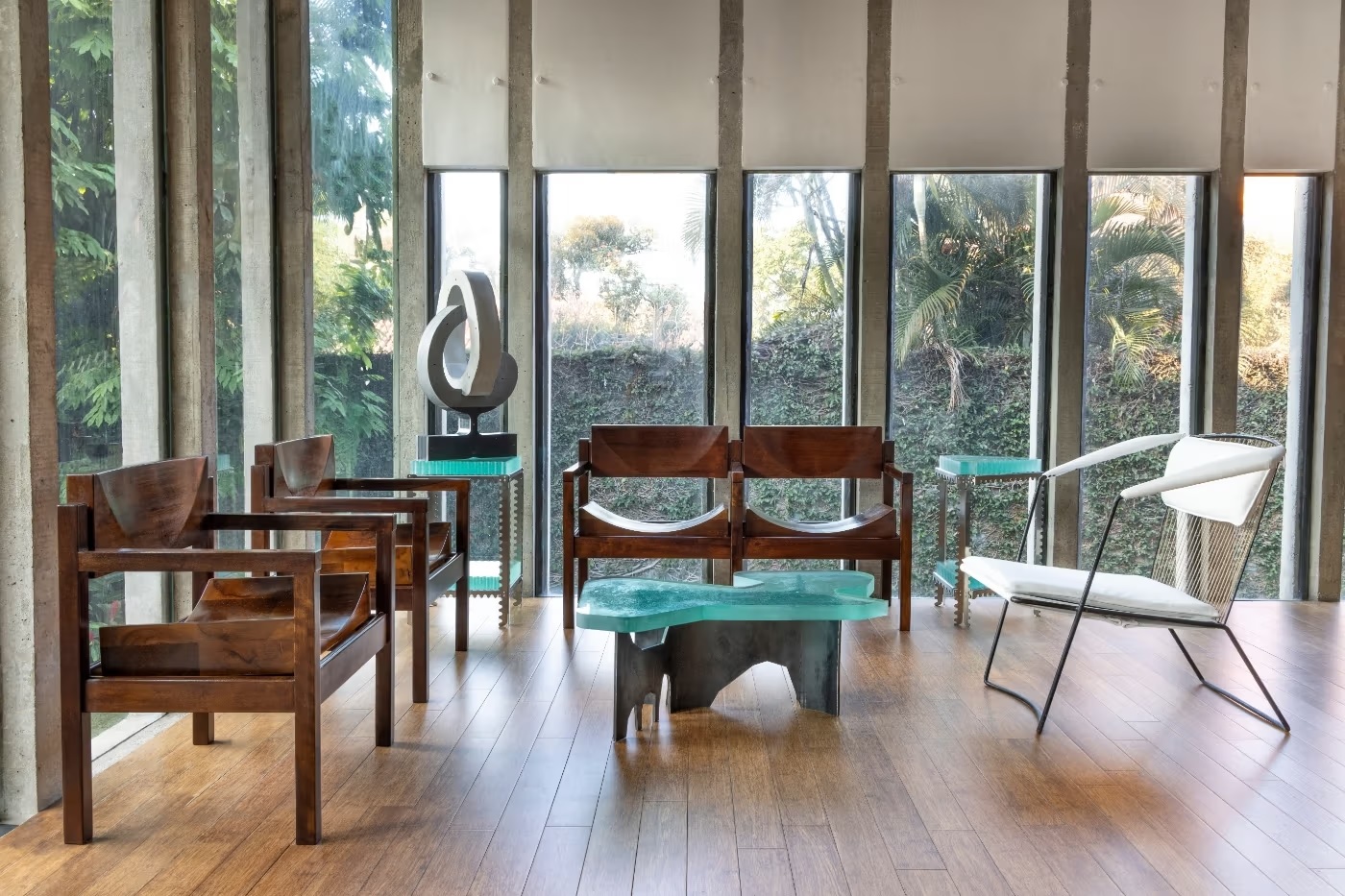
Sleek modern furniture designs of the ‘Colendra’ collection. Image: Lucas Simões. (left)
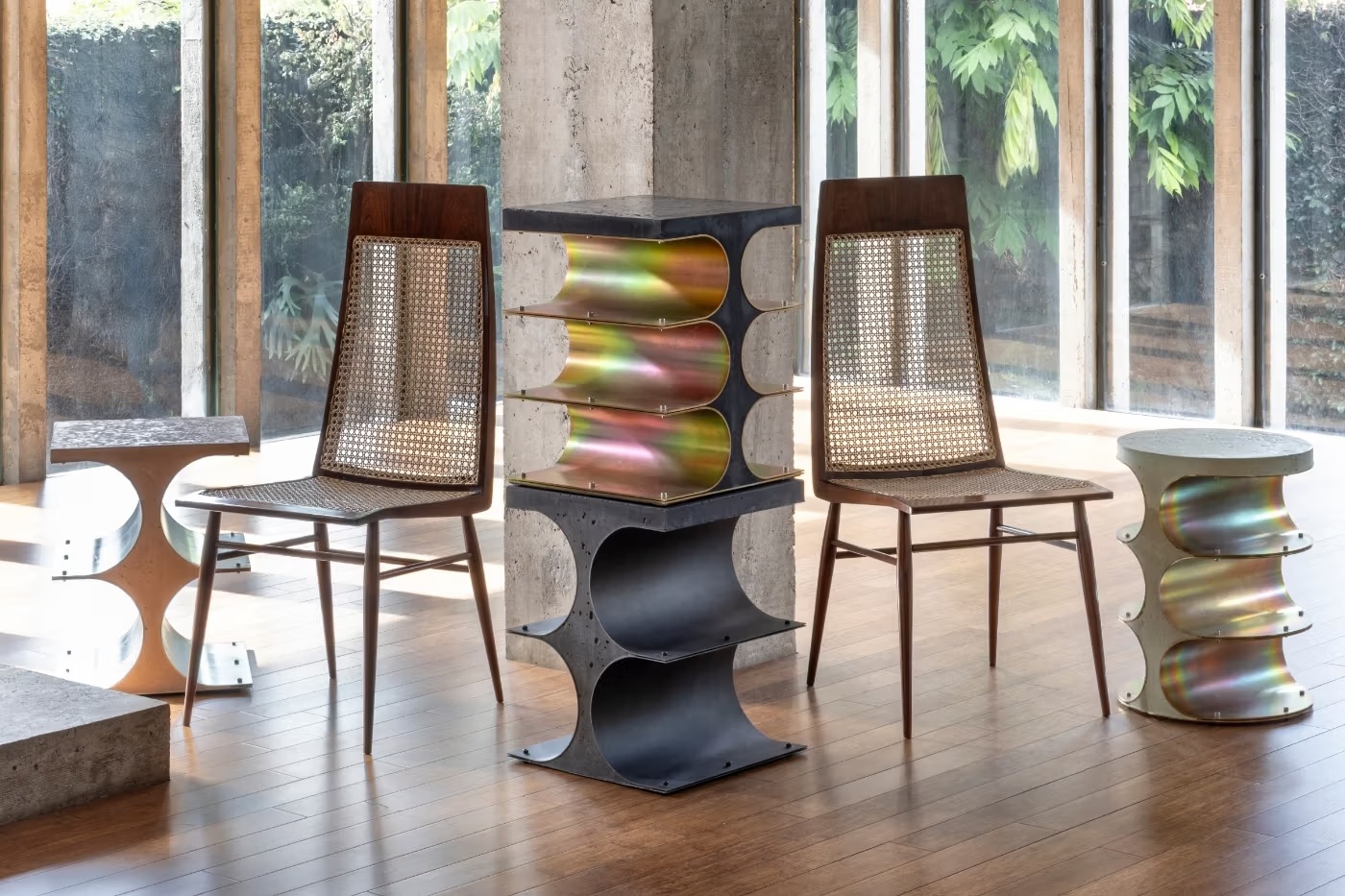
The ‘Colendra’ collection uses many types of natural materials. Image: Lucas Simões. (right)
The ensemble goes beyond the chair by incorporating matching tables and a bench that all explore the same idea of continuous, ribbon-like metalwork. In addition to offering exceptional structural stability, the monobloc design challenges traditional notions of solidity and weight by producing a visually light, almost dynamic appearance. Simões makes a thoughtful and self-assured debut in the design industry by successfully fusing his artistic investigation of movement with meticulous design to produce works that are both solo sculptures and valuable living items.
Aldwin Ong – Luxury Hospitality Expert
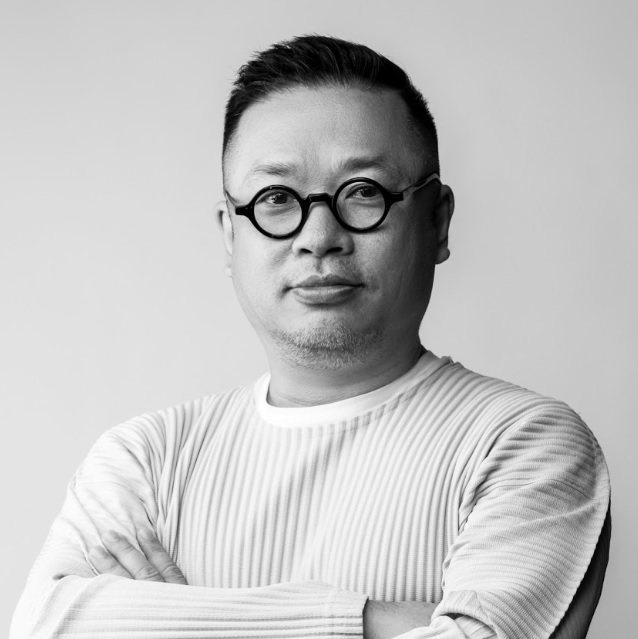
Throughout his two decades in interior architecture, Aldwin Ong — a gifted storyteller — has revolutionised luxury hospitality. His work is praised for its depth of narrative and creative sensibility and he serves as the executive vice president for Cheng Chung Design’s (CCD) Asia Pacific Headquarters in Singapore. With a background in fine arts and architectural training, Ong expertly combines his love of cooking, building and art to create environments that evoke strong feelings and a sense of place.
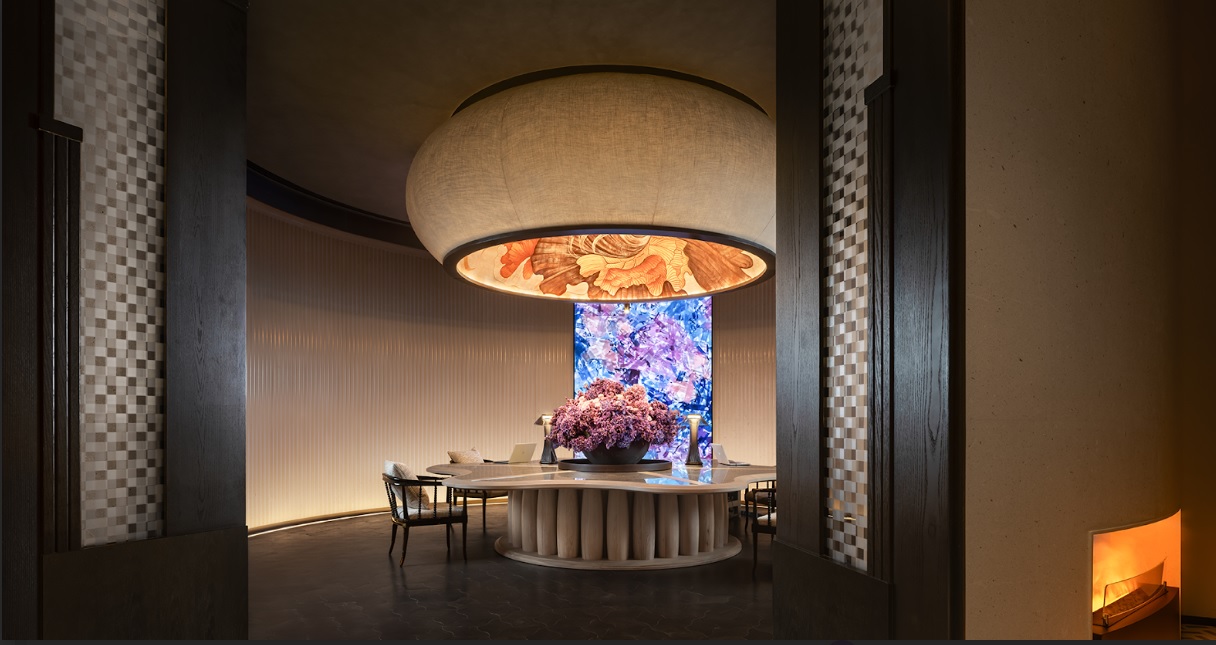
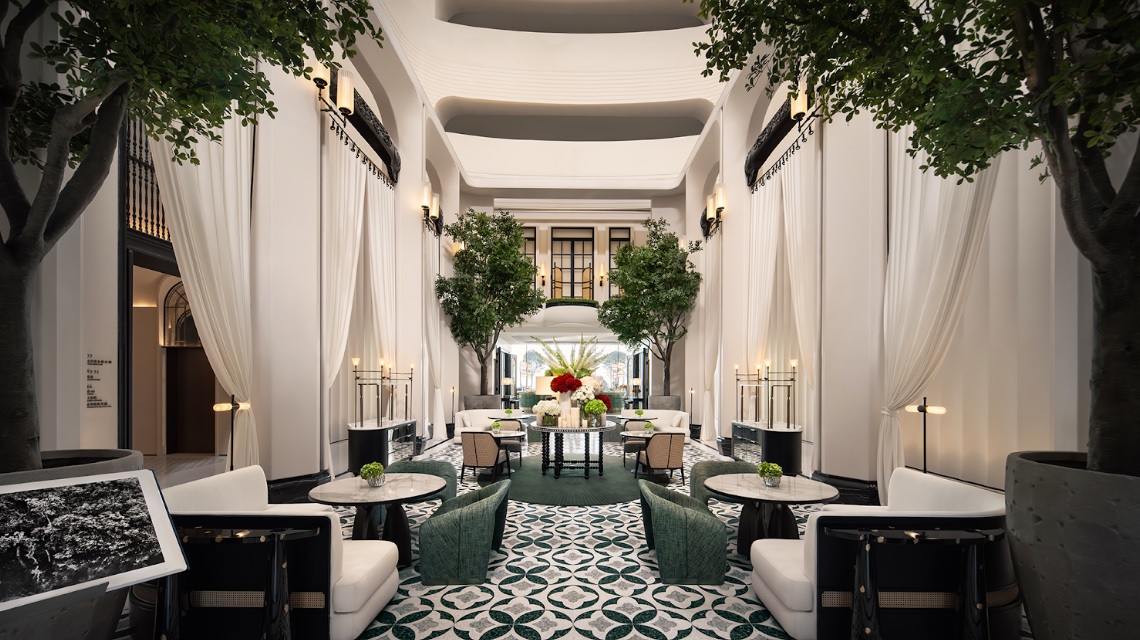
The Regent, Shanghai, China. Image: CCD. (left)
Shangri-la Nanshen, China. Image: CCD. (right)
His work demonstrates a fantastic ability to strike a balance between tradition and modern style. He creatively incorporated contemporary luxury into the Mandarin Oriental Qianmen’s traditional structure in Beijing. He created a beautiful blend of traditional architecture and artistic texture at the DongFengYun Hotel Mi’Le and his ability to redefine elegance in a heritage setting is evident at the Regent Shanghai on the Bund. Every project exemplifies his “Why Not?” mentality, producing spaces that are not just designed but also meaningfully composed, whether in Shenzhen’s innovation-focused district or in traditional city centres.
Keishi Ashizawa – Designer with “Honest Design” Philosophy
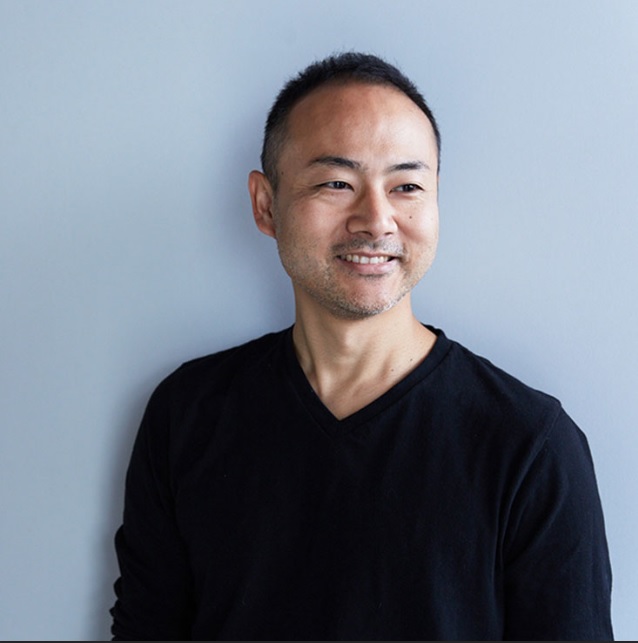
Tokyo-based designer and architect Keiji Ashizawa is renowned for his “Honest Design” ethos. Since opening his firm in 2005, his work has been characterised by a deep appreciation for simplicity, workmanship and materials — principles he effortlessly applies to product design, architecture and interior design for prestigious companies as Karimoku. This philosophy carries over into his position as spokesperson for Ishinomaki Laboratory, a socially conscious furniture company that emerged from the aftermath of the tsunami.
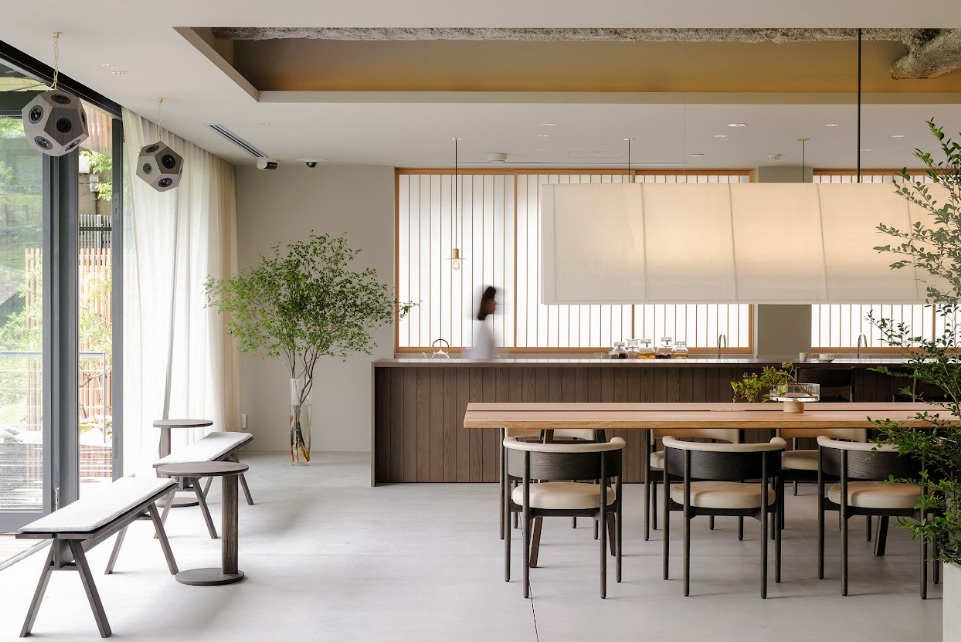
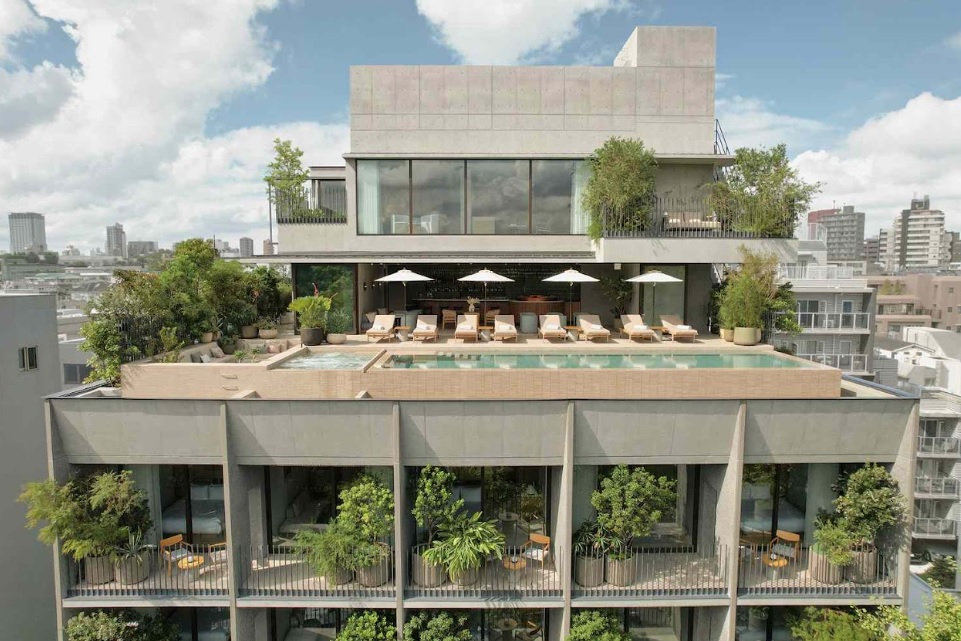
Miroku Nara Hotel. Image: Keiji Ashizawa. (left)
TRUNK(HOTEL) Yoyogi Park. Image: Keiji Ashizawa. (right)
A distinct sense of calm, contextual realism is fostered by Ashizawa’s body of work. Using raw concrete and organic textures, his partnership with Norm Architects on TRUNK(HOTEL) Yoyogi Park skillfully creates a customised haven in the middle of busy Tokyo. Similar to this, he incorporated native Yoshino cedar and Uda washi paper into the interior fabric of the Miroku Nara hotel to create a rich story of location. Ashizawa exhibits a quiet power in each project, creating environments and items that are not only useful but also intrinsically honest and in tune with their surroundings.
For more design reads, click here.
The post The New Wave of Designers Transforming Architecture, Interiors and Product Design appeared first on LUXUO.