The “Gentrification” of Boutique Hotels

Once the playground of avid travelling seeking exclusive escapes, boutique hotels have become the latest acquisition targets of global hotel chains. The acquisition is the result of major hotel groups aiming to capitalise on their cachet and attract millennial and Gen Z travellers. LUXUO examines the rise of boutique hospitality, the tension between individuality and corporate ownership, and what this shift means for the future of luxury travel.
Market Expansion
Why is the boutique hotel market going further away from niche and towards mainstream? Recent industry data peg the global boutique‑hotel market at around USD 26.7 billion in 2024, with projections suggesting it could nearly double over the next decade. Alongside the rise in demand comes a strong financial performance. According to a 2024–2025 snapshot from the United States, some independent and upper‑upscale boutique hotels posted occupancy rates between 57 to 71 percent, while commanding Average Daily Rates (ADRs) significantly higher than comparable chain properties.
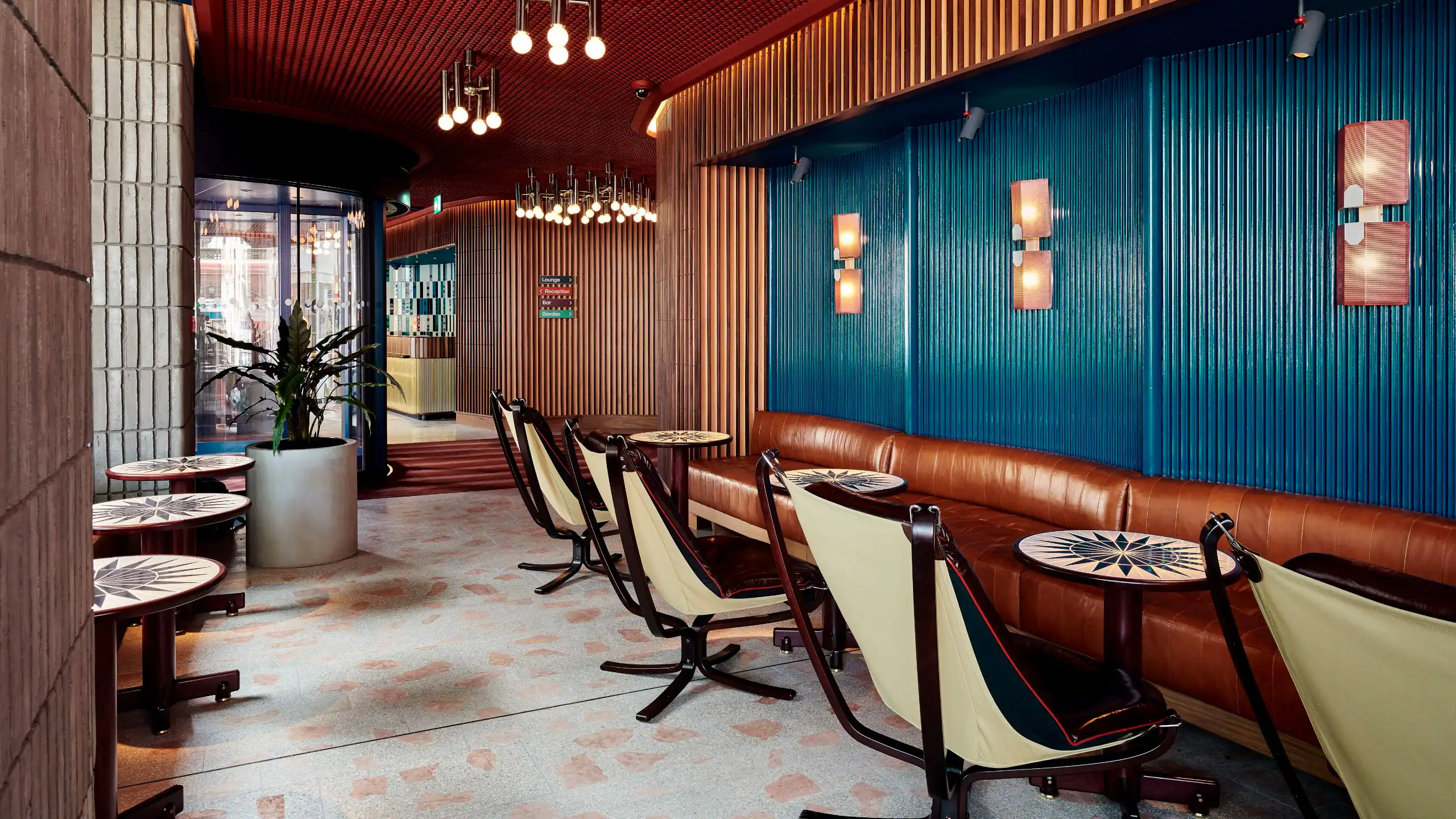
This upward trajectory has seen major hotel chains now aggressively moving to capture this demand. In a big signal of the times, Hyatt Hotels Corporation acquired Standard International — the parent of boutique brands The Standard Hotels and Bunkhouse Hotels — bringing dozens of boutique and lifestyle properties under a single global umbrella. At the same time, other giants such as Marriott International and Accor are expanding into the boutique segment through acquisitions and soft‑brand conversions.
Corporate Buyouts & Consolidation


This wave of consolidation reflects an increasing investor confidence in boutique hospitality’s long-term profitability alongside a desire by major groups to tap the “experiential luxury” demand from younger, experience-conscious travellers. However, this consolidation comes at a price. The elements that made boutique hotels unique like the design-focused interiors, local flair, curated art, independent F&B menus— begin to morph under corporate priorities. Standardised operations, centralised procurement and efficiency-driven service protocols mean that two hotels owned by the same group start to feel remarkably similar. The individual “soul” the boutique hotel was initially known for then becomes a brand template, whittled down to a footnote in a larger marketing strategy.
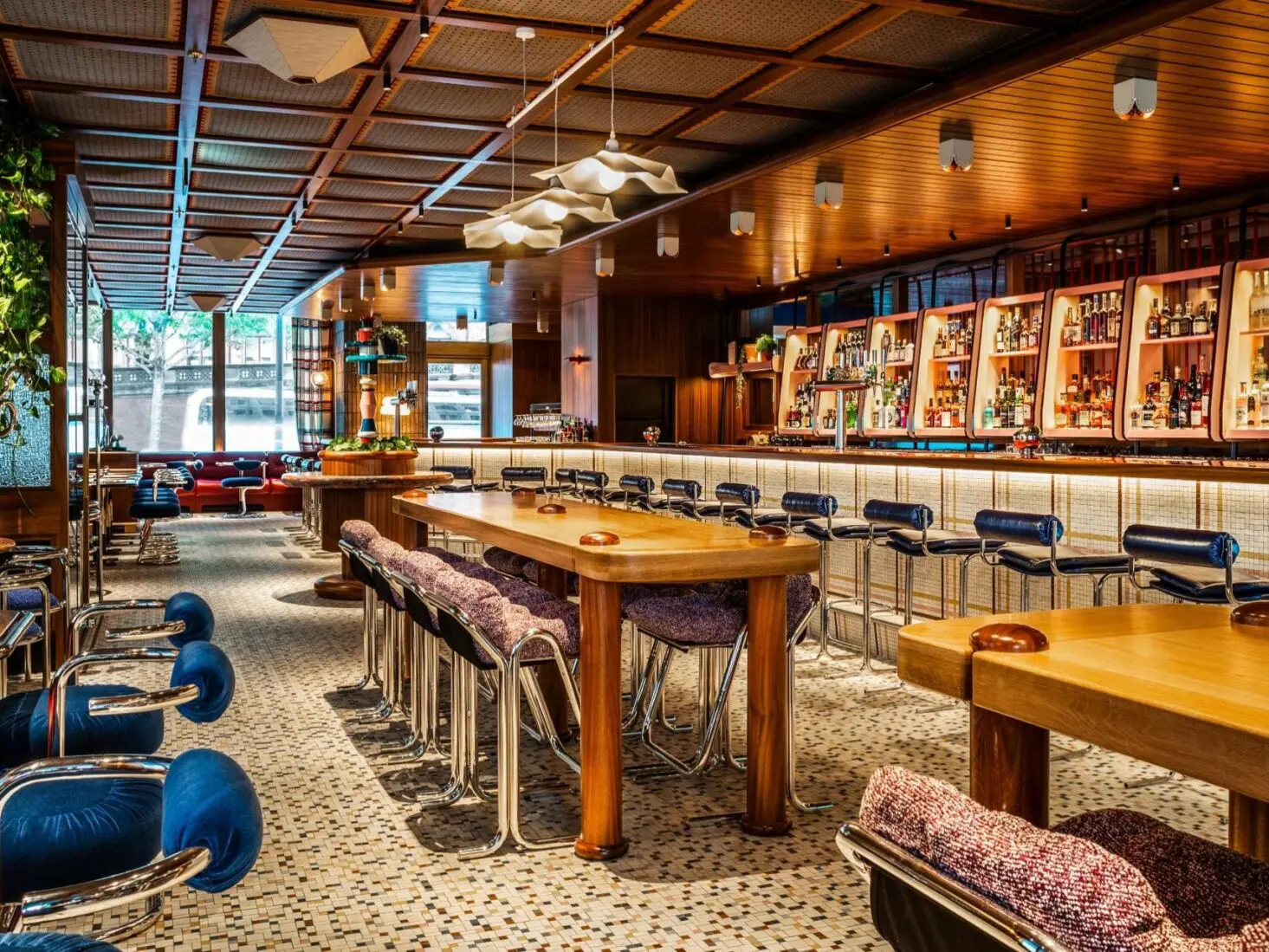
Simple things — like the layout of the lobby, check-in procedures, or the aforementioned curation of art and decor — can become homogenised to fit a brand template. Even small details, like in-room amenities or F&B offerings, are increasingly designed for scalability rather than the surprise-and-delight moments that once defined boutique stays. For exaple, Hyatt’s acquisition of lifestyle brands often retains the boutique name but implements centralised back-of-house operations and loyalty program integration, leading to a more uniform guest experience across properties worldwide.
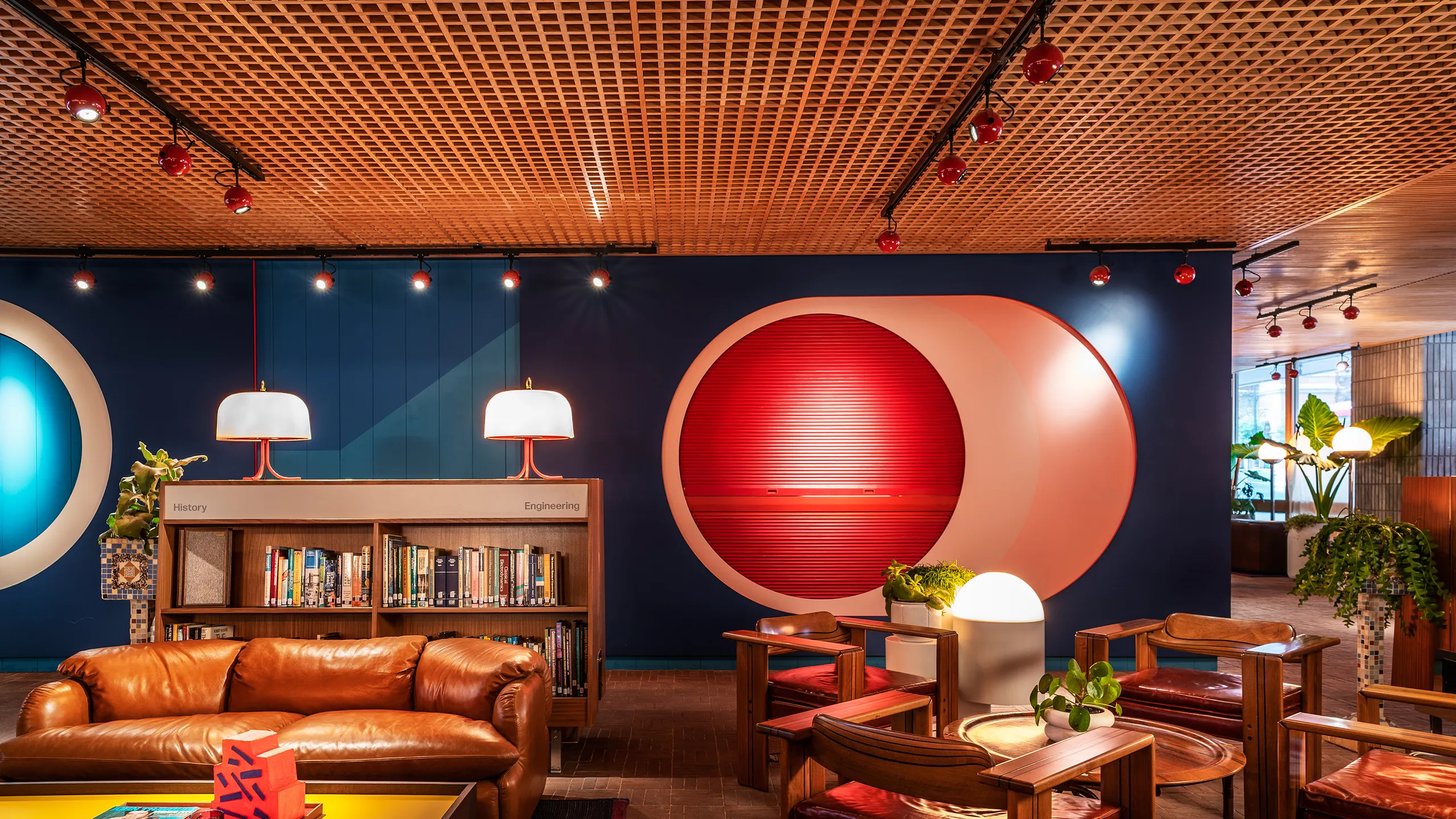
From a corporate perspective, these acquisitions make sense. Chains gain expanded portfolios, loyalty‑programme members, global distribution systems and economies of scale. Independent owners get exit routes, liquidity and the promise of wider marketing exposure. Yet for travellers valuing local charm and unique immersive experiences, the trade-off is real. When boutique hotels fold into global systems, the unique value – the sense of place, the design soul, the local hospitality vibe – can be eroded. The question then arises of the premium price points: does the value come in the distinct experience or the name alone?
A New Iteration of The “Boutique Hotel”
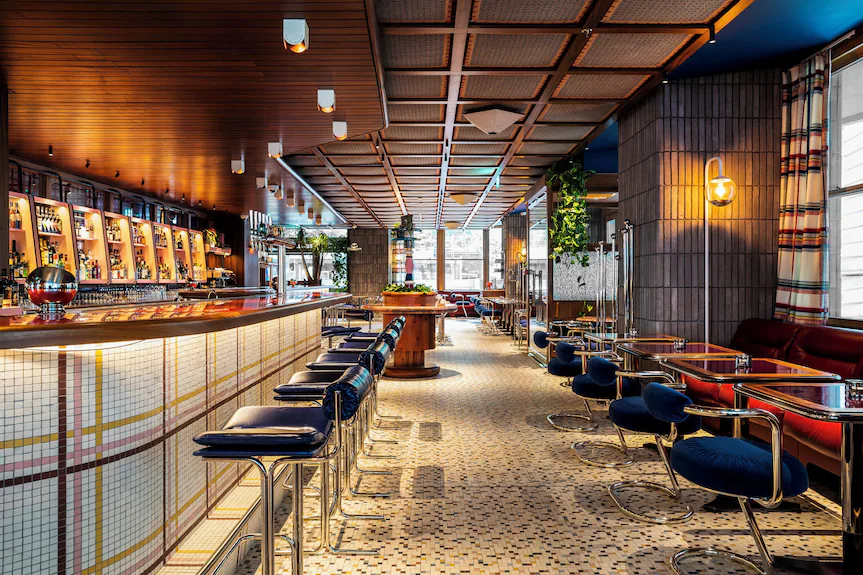
The boutique hotel sector does not have to be doomed by uniformity. A counter‑movement appears to be brewing whereby new boutique hotel business models could balance both the preservation of individuality while building operational resilience. Independent boutique collectives, where groups of standalone hotels pool resources for tech, marketing, bookings and operations — but retain design autonomy and local identity. Some boutique properties in Tokyo and Lisbon have remained fiercely independent and maintained high ADRs precisely because they resist integration into larger chains, offering curated, locally inspired stays that command premium rates.
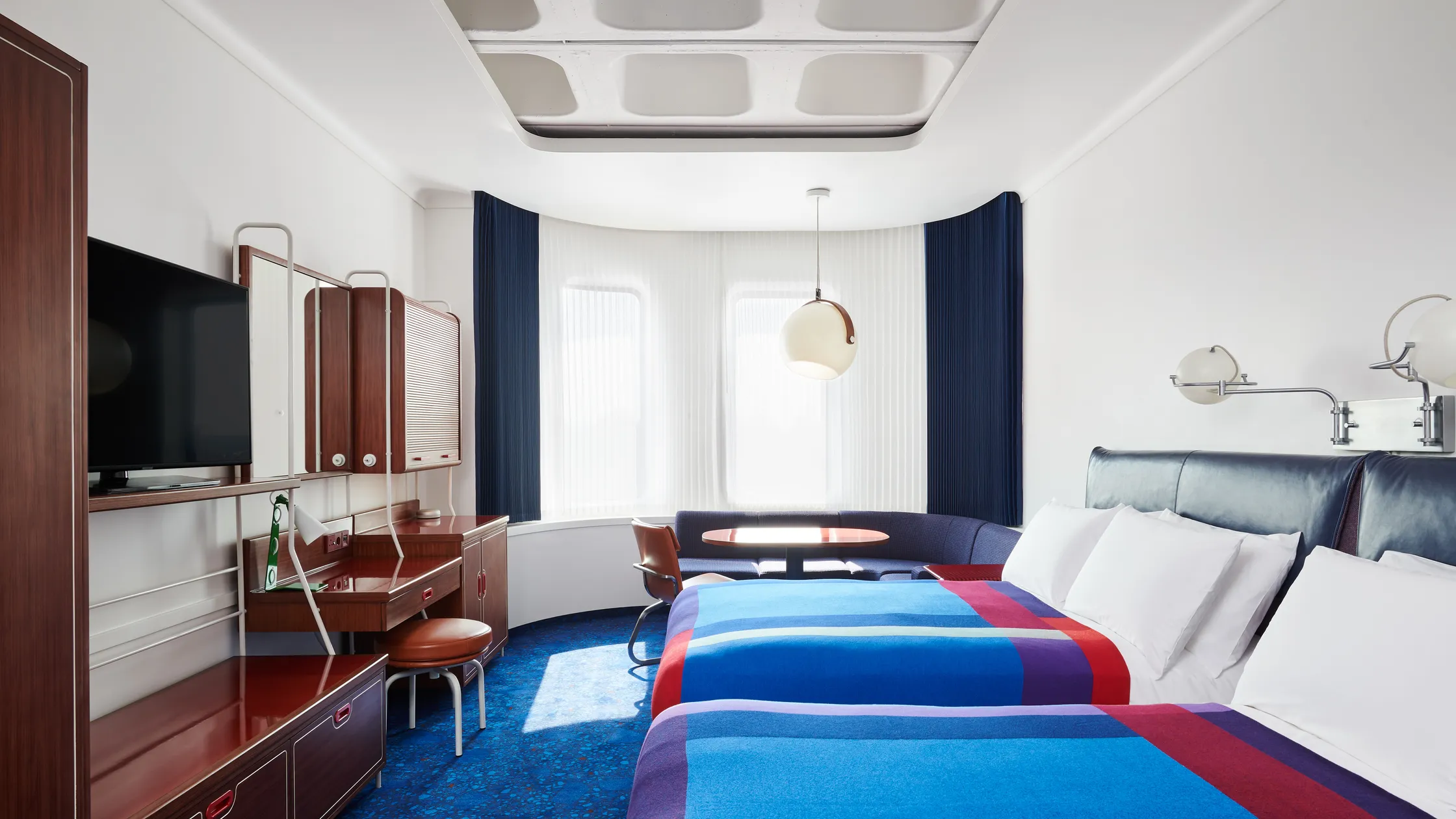
Then there is the “hybrid model” where corporate back‑end support is combined with independent front‑of‑house and aesthetic direction, giving the best of both worlds. Alternatively, niche hospitality concepts like immersive stays such as heritage property conversions, eco-lodges and art-centric residencies provide options preserve the essence of “authentic” boutique hospitality.
For more on the latest in business and luxury hotel reads, click here.
The post The “Gentrification” of Boutique Hotels appeared first on LUXUO.