The Financial Planning Behind a Luxury Home Transformation
Transforming a house into a personal sanctuary is a dream so many homeowners share. Honestly, there is something deeply personal about taking a space that feels dated and breathing new life into it. But a complete renovation goes far beyond simply picking out new paint colors or selecting premium marble countertops. High-end remodeling projects require meticulous preparation, a real vision for the space, and a clear financial strategy. Whether you want to add a custom kitchen, build an expansive outdoor living area, or upgrade structural systems, balancing your aesthetic desires with practical budgeting determines the success of the whole project.
Real estate values fluctuate, but strategic updates consistently enhance both daily living comfort and your overall property value. So how do you turn those ambitious design plans into reality without compromising your broader financial stability?
It starts with understanding how to structure your resources from day one.
Defining Your Vision and Realistic Budget Bounds
Every successful luxury renovation starts with a defined scope. It’s easy to get carried away late at night while staring at the hum of your laptop screen and browsing design galleries, but translating inspiration into actual line items requires real discipline. You know, it’s so easy to mistake a luxury wish list for an actionable plan. Have you clearly separated your absolute non-negotiables from nice-to-have upgrades?
Homeowners should begin by listing non-negotiable architectural changes alongside high-priority finish options.
Building a solid budget involves several key components:
- Materials and high-grade finishes.
- Labor costs for specialized contractors.
- Architectural, structural, and interior design fees.
- Local permitting and compliance expenses.
- Contingency funds for unforeseen site issues.

A standard recommendation is setting aside at least fifteen to twenty percent of your total project budget strictly for unexpected costs. I guess it always feels a bit uncomfortable reserving that much cash just for hypothetical problems. But sub-surface issues, electrical upgrades, or supply delivery delays happen all the time during major structural alterations. And having dedicated capital ready prevents unnecessary project pauses.
Evaluating Funding Avenues for High-End Renovations
Funding a major remodel depends heavily on your personal cash flow, current assets, and existing property value. While cash savings offer simplicity, keeping your cash reserves intact for liquid emergency funds or other investments is often a smarter strategic move. Consequently, borrowing options tailored to real estate assets become central to the conversation. And that’s the point.
Using your accumulated home value is one of the most cost-effective methods for generating capital.
Tapping into locked equity allows you to access substantial funds with more favorable repayment terms than personal credit lines. When exploring options, applying for a home equity loan online offers a streamlined way to assess borrowing limits and interest structures directly from your desk. Utilizing existing home value reinvests capital directly into the asset, creating a self-sustaining financial cycle.
But what financing vehicle best aligns with your timeline? Maybe a line of credit fits better than a lump sum, or maybe not.
Other options include fixed-rate personal loans, construction loans, or home equity lines of credit. Evaluating interest rates, tax implications, and repayment terms helps align your financing tool with long-term cash flow goals.

Assembling the Professional Team
A luxury transformation relies entirely on the expertise of skilled professionals. Selecting the right partners protects your financial investment and ensures structural integrity throughout the process.
When vetting contractors, architects, and designers, insist on verifying:
- Active licensing and full liability insurance coverage.
- Portfolios displaying similar high-end projects.
- Direct references from past residential clients.
- Transparent line-item contract structures.
Detailed contracts are essential financial safeguards. Fixed-price agreements or detailed cost-plus arrangements with defined caps protect you from spiraling labor expenses. Establishing milestone-based payment schedules ensures work meets quality benchmarks before any funds release.
Prioritising High-ROI Luxury Upgrades
Not all home improvements yield the same financial return. While emotional satisfaction remains the primary driver for luxury updates, keeping long-term market perception in mind protects your capital efficiency.
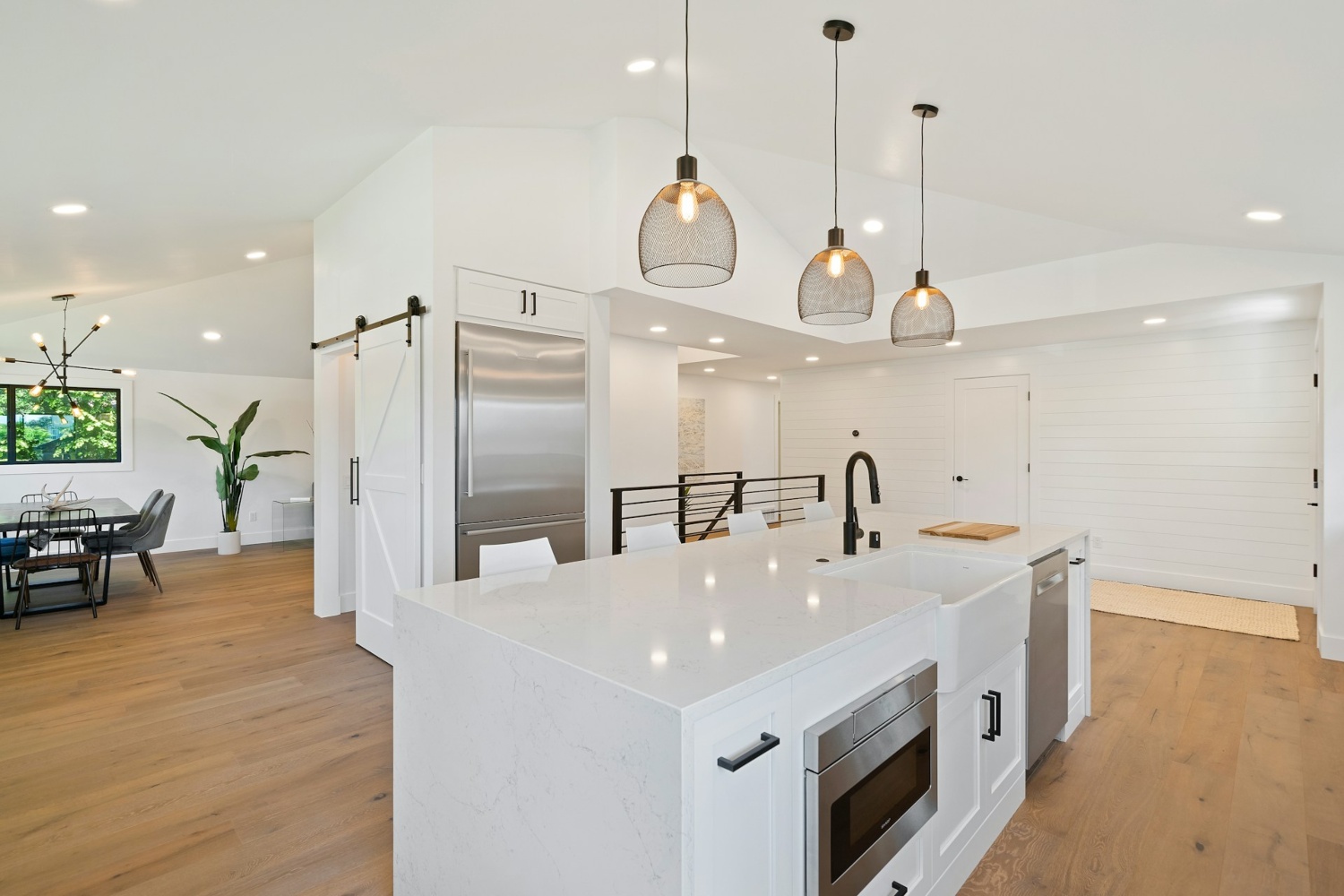
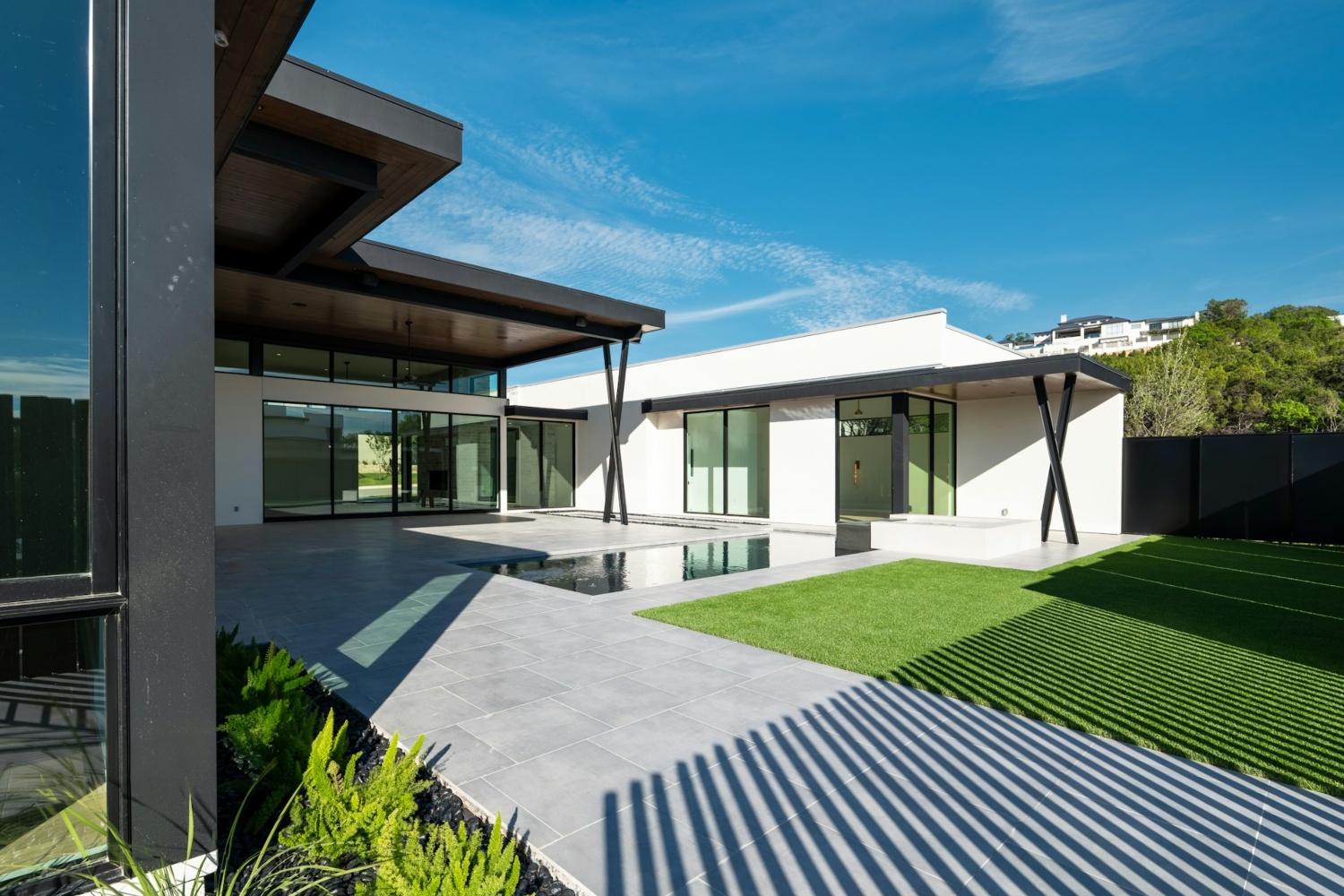
Kitchens and primary bathroom suites consistently lead in value retention. Custom cabinetry, professional-grade culinary appliances, and timeless stonework appeal to prospective future buyers while delivering immediate functional benefits. You know, seeing the crisp edge of a freshly cut slab of quartzite sitting on custom cabinets makes all the tedious financial planning worth it. Similarly, expanding usable living space through covered outdoor kitchens, seamless indoor-outdoor transitions, and structural additions adds genuine square footage utility.
Integrating modern smart-home automation and high-efficiency climate systems also pays ongoing dividends. Advanced insulation, custom architectural lighting, and integrated security systems enhance comfort while reducing your ongoing operational overhead.
Navigating the Renovation Timeline Gracefully
Timelines directly impact your financial outcomes. Extended project schedules increase soft costs, such as temporary living arrangements or storage fees. Maintaining clear, weekly communication with your primary contractor keeps timelines on track.
Unexpected challenges will arise during construction.
Approaching the transformation with patience and a flexible mindset ensures that minor delays don’t compromise design standards or strain financial limits. Are you truly prepared for the inevitable structural surprises behind the drywall?
Ultimately, a high-end home transformation is an investment in your lifestyle and your financial portfolio. You are not just spending money; you are building a backdrop for your life. By pairing clear design goals with structured financing and expert project management, you turn your home into an elevated, lasting sanctuary.
For more on the latest in architecture and properties, click here.
The post The Financial Planning Behind a Luxury Home Transformation appeared first on LUXUO.