Singapore Designers Define A Nation’s Celebration
As Singapore marks its 60th year of independence, its design community continues to gain international recognition. From the 15th edition of the President’s Design Award (P*DA) to the upcoming EMERGE @ FIND showcase during Singapore Design Week (11 to 13 September 2025), this milestone year highlights the architects and designers shaping the country’s creative reputation.
The President’s Design Award remains a key platform for recognising excellence across disciplines — from architecture to socially driven product design. Meanwhile, EMERGE @ FIND, organised by the DesignSingapore Council in partnership with FIND — Design Fair Asia, presents a regional showcase that puts Singapore’s design leadership in the spotlight. What is emerging is a clear shift: local design is embracing bolder, more experimental approaches that reflect both innovation and national identity. As the world watches, Singapore’s design sector enters a new phase — distinctive and ready for a global stage.
Gabriel Tan: Bridging Craft and Innovation with Global Flair
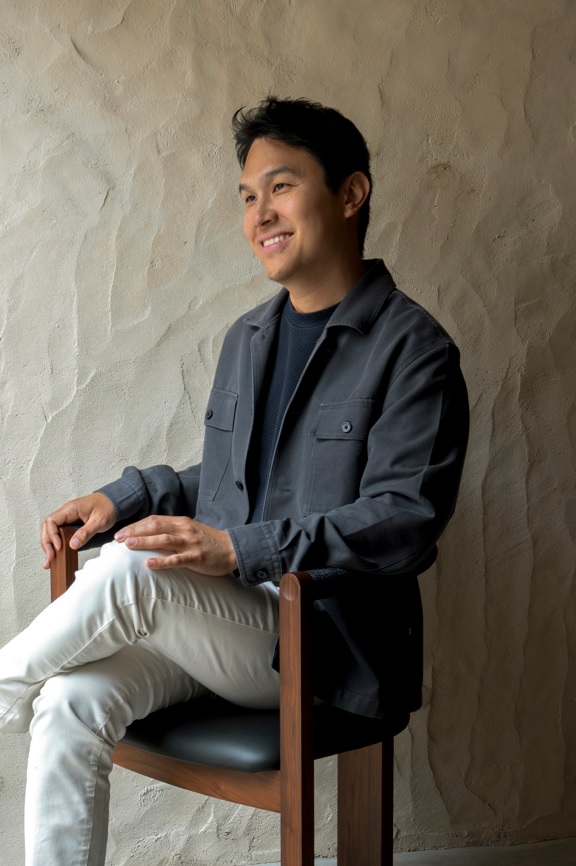
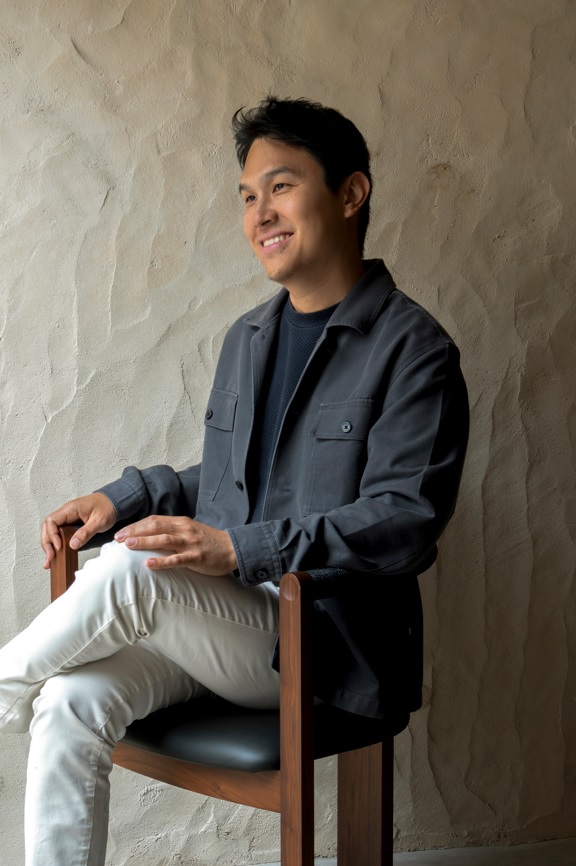
According to Gabriel Tan, the principal of Gabriel Tan Studio and Studio Antimatter, design should prioritise comfort, connection or sustainability over the ordinary. Working with industry titans like Herman Miller and B&B Italia, the Singaporean designer freely explores a variety of influences without being constrained by local norms. His work — praised for its artistry and entrepreneurial spirit — combines Portuguese craftsmanship and Japanese woodworking with modern innovation.
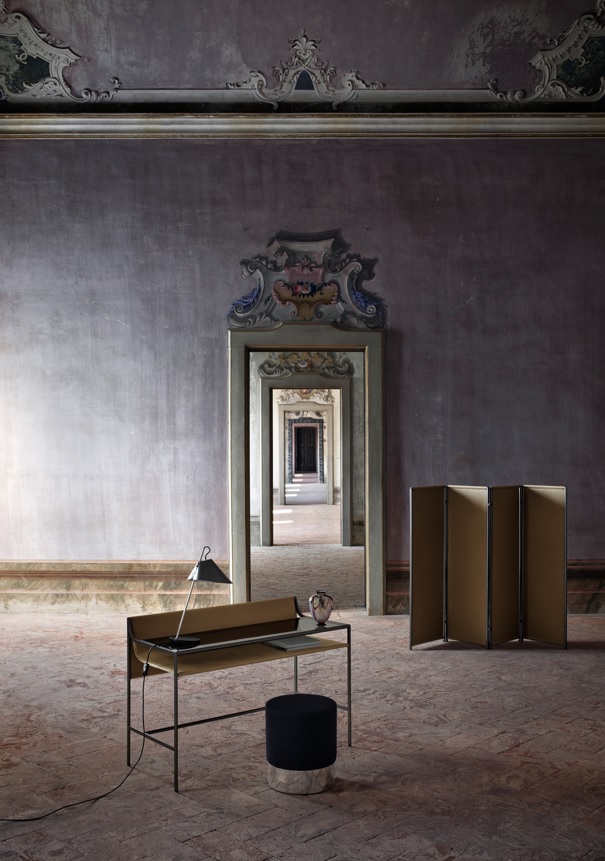
Image: Tommaso Sartori.
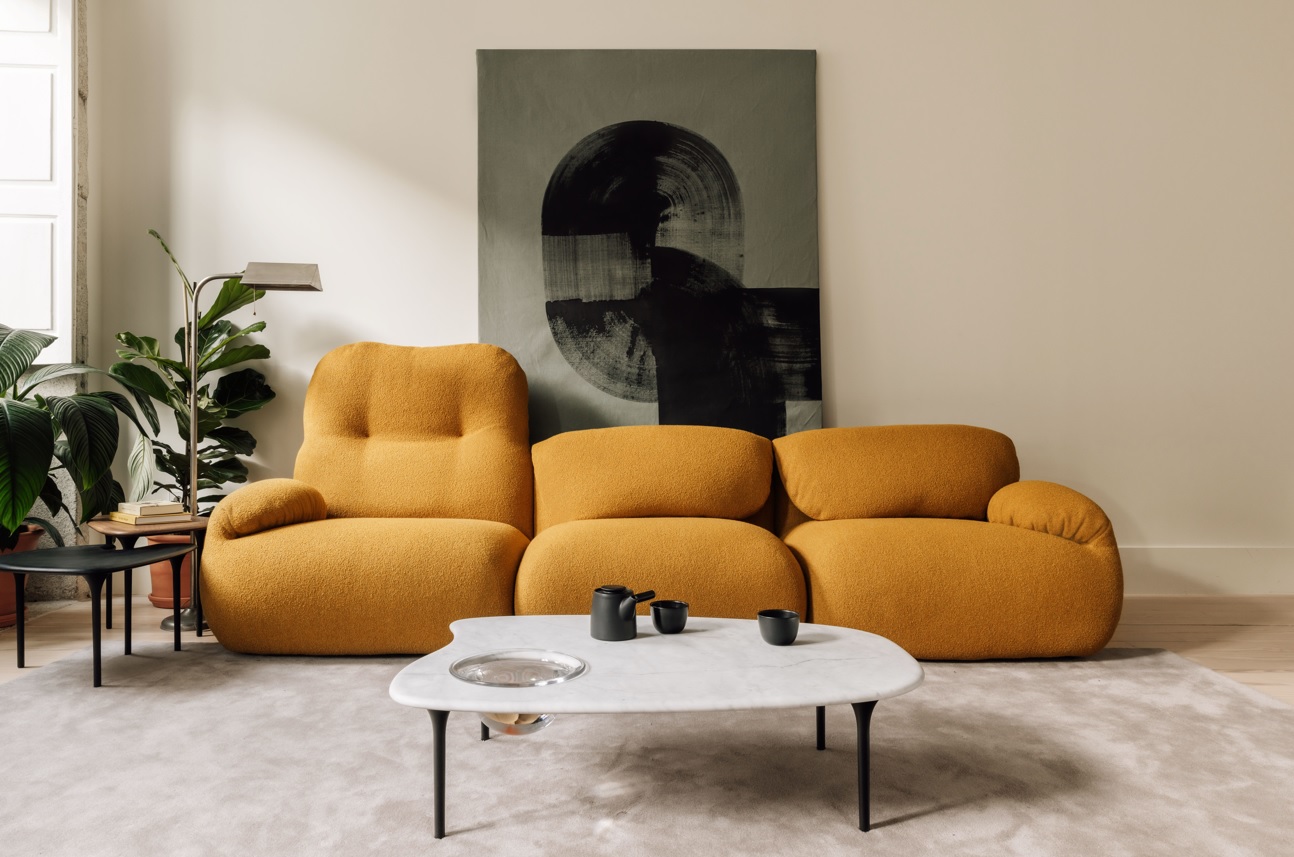
Image: Francisco Nogueira.
Even though Tan is currently based in Portugal, he continues to influence up-and-coming designers in Singapore. From co-founding Outofstock to starting Origin Made, his trajectory exemplifies a unique fusion of business savvy and cultural awareness — enhancing Singapore’s standing as a global leader in design. Tan undoubtedly won P*DA 2025 Designer of the Year with his influence and body of work.
Alan Tay: Architect, Educator and Provocateur of Design Intelligence
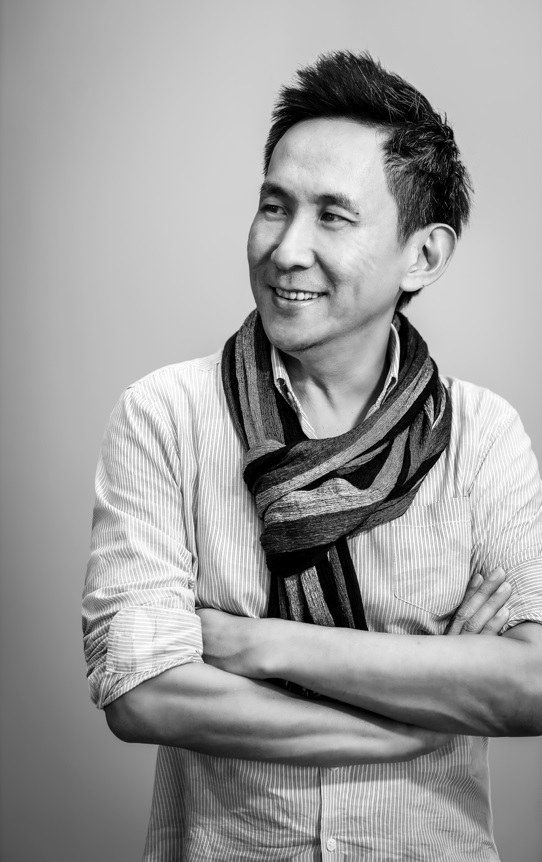
Formwerkz principal partner and architect Alan Tay promotes design intelligence, which is the capacity to analyse issues critically and provide well-considered solutions. His work in Singapore, China and Malaysia over the past 20 years has reinterpreted spaces — from residences to mosques — with a keen awareness of tropical settings. Architectural conventions are questioned by projects like Singapore’s Al-Islah Mosque and Malaysia’s Cloister House, which encourage contemplation of form and purpose.
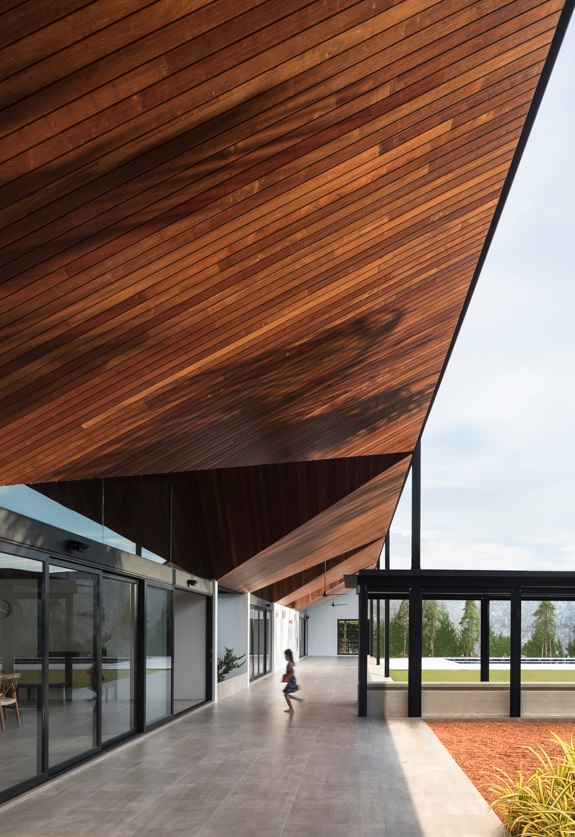
Image: Fabian Ong.
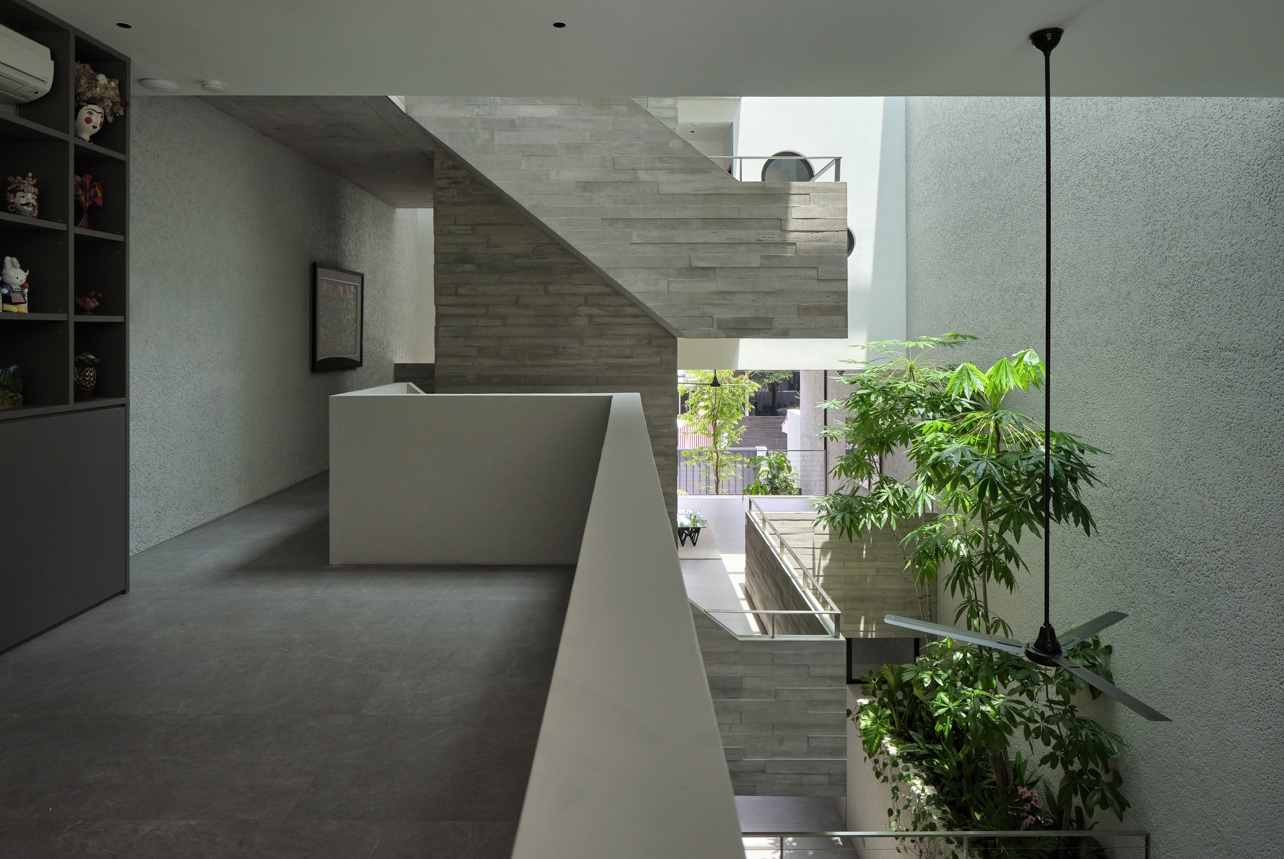
Beyond his work, Tay mentors and teaches the next generation, promoting conversation in Singapore’s design community. His unwavering skill, contextual rigour and commitment to design that resonates both intellectually and visually are praised by the judges. With good reason, he won the P*DA 2025 Designer of the Year award.
Bird Paradise: Where Architecture Meets Conservation in an Avian World
In a dramatic shift from conventional zoo architecture, the recently constructed Bird Paradise is a 17-hectare (approximately 24 football fields) reinterpretation of Singapore’s famous Bird Park. The project — overseen by RSP Architects Planners & Engineers and designed by Mandai Wildlife Group’s internal team — replaces cages with expansive, biome-specific aviaries that transport guests to vibrant environments, such as Southeast Asian rainforests and African marshes.
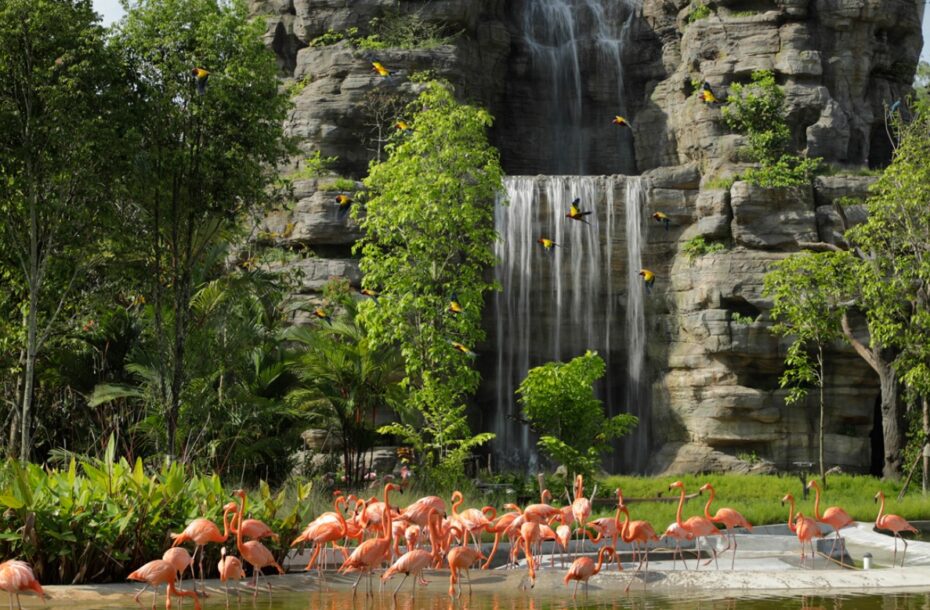
Image: Mandai Wildlife Group.
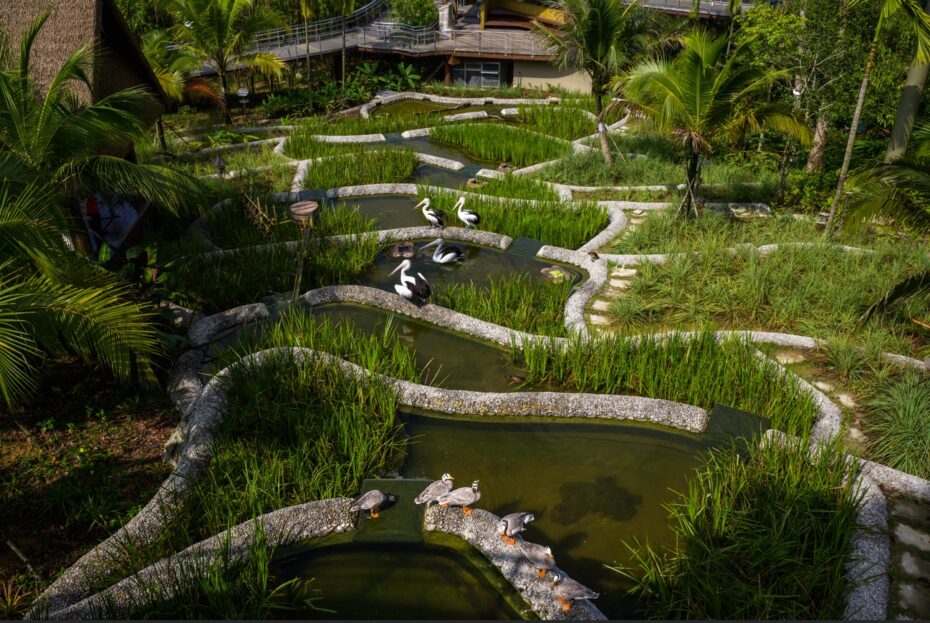
Image: Mandai Wildlife Group.
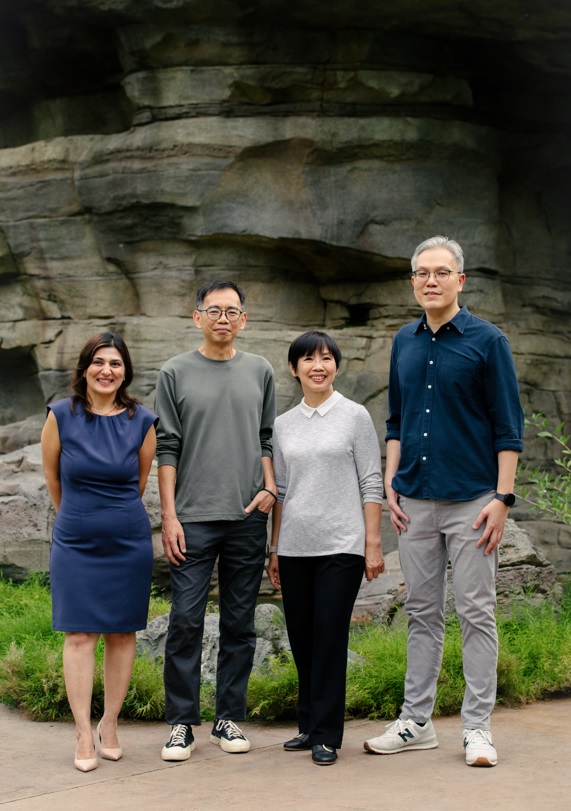
“This is about creating experiences, not just about showcasing birds,” says Rucha Khanderia, head of design at Mandai. Under the direction of executive director Suen Wee Kwok, the design team used what they refer to as “the invisible hand” — subtle navigation, precisely positioned sightlines and microclimates that feel natural rather than artificial. Flocks can fly freely in eight walk-through exhibitions, some of which are several stories high, allowing viewers to observe them at eye level.
The jury commended the way Mandai’s conservation knowledge and RSP’s spatial design combined to establish a new standard for ethical wildlife tourism. With 3,500 birds representing 400 species, the scale allows for both intimacy and spectacle, from the quiet moments spent with critically endangered Philippine eagles to the excitement of a macaw group in flight.
Kinetic Singapore’s “School of Tomorrow” Makes Sustainability Lessons Stick
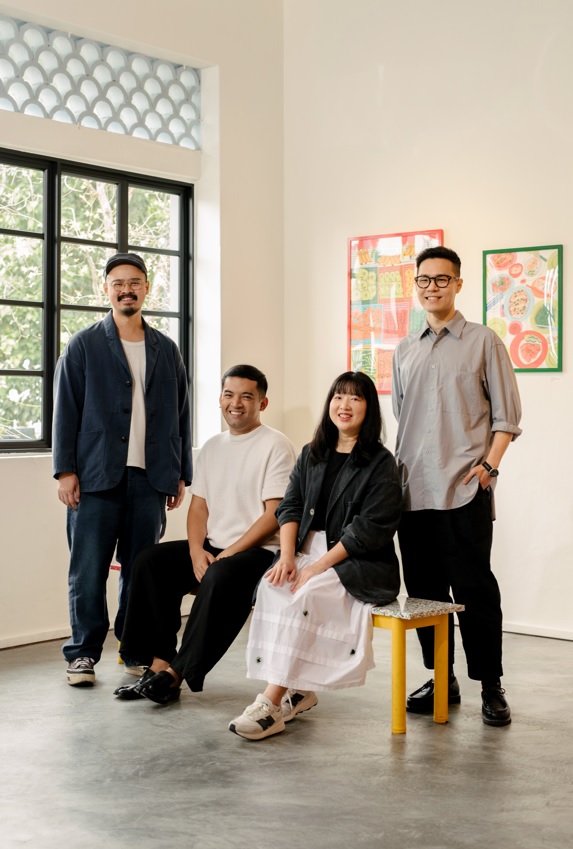
Kinetic Singapore partners Gian Jonathan and Astri Nursalim rethought climate education with the cleverly subversive idea of a school where sustainability is integrated into every course. Their School of Tomorrow exhibit transformed complex ecological concepts into realistic classroom scenarios. It was a combination of immersive experience and call to action.
“Calculating carbon footprints was covered in math class. Mycelium materials and polymers made from cassava were discussed in science classes,” says Jonathan. Visitors were engaged by the design firm’s light-hearted approach, which framed urgent planetary teachings with familiar school aesthetics (think tables and chalkboards). Days later, Nursalim remembers preschoolers enthusiastically reciting solutions: “That’s when we knew the message stuck.”
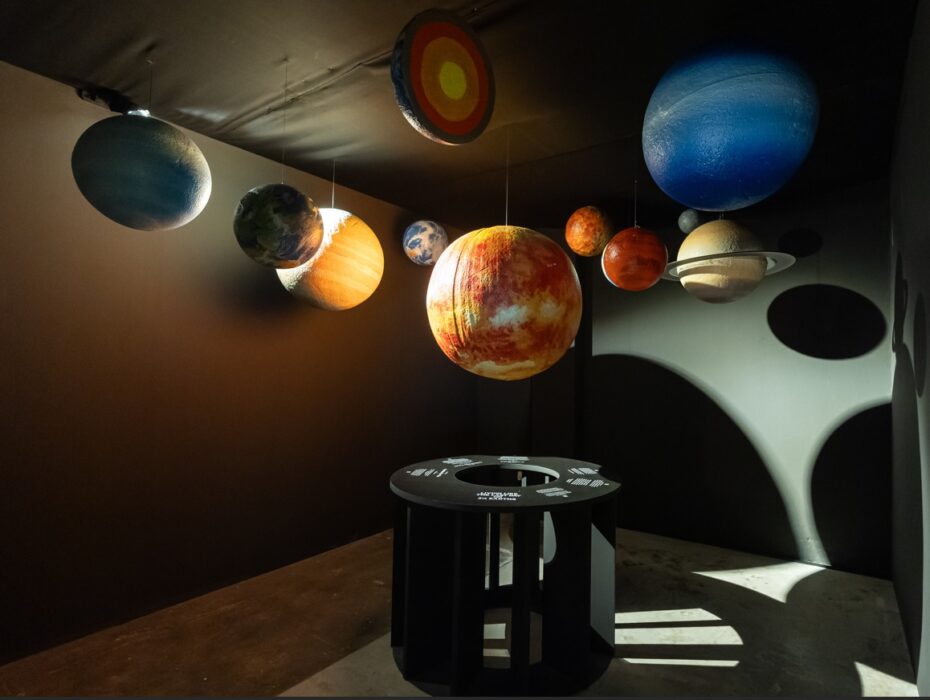
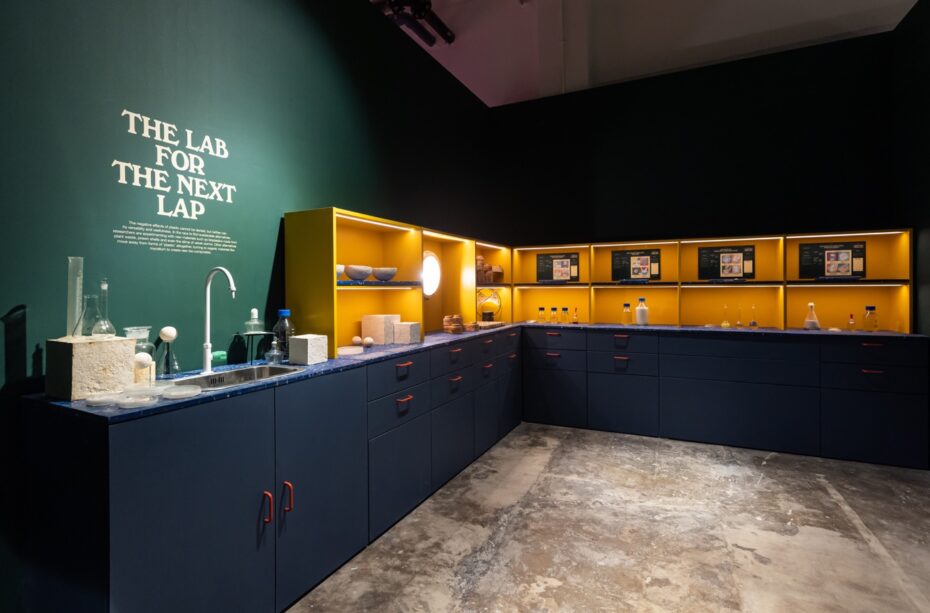
From repurposed materials to interactive stations that brought abstract concepts to life, the panel commended Kinetic’s ingenuity in integrating sustainability into the exhibition’s very structure. The team demonstrated that environmental education does not have to be didactic to have a revolutionary effect by fusing innovation and nostalgia.
Below are some Singapore designers making the world’s stage via EMERGE @ FIND, which returns to Singapore Design Week 2025 (11 to 13 September).
Sheryl Teng: Rewriting the Language of Textiles
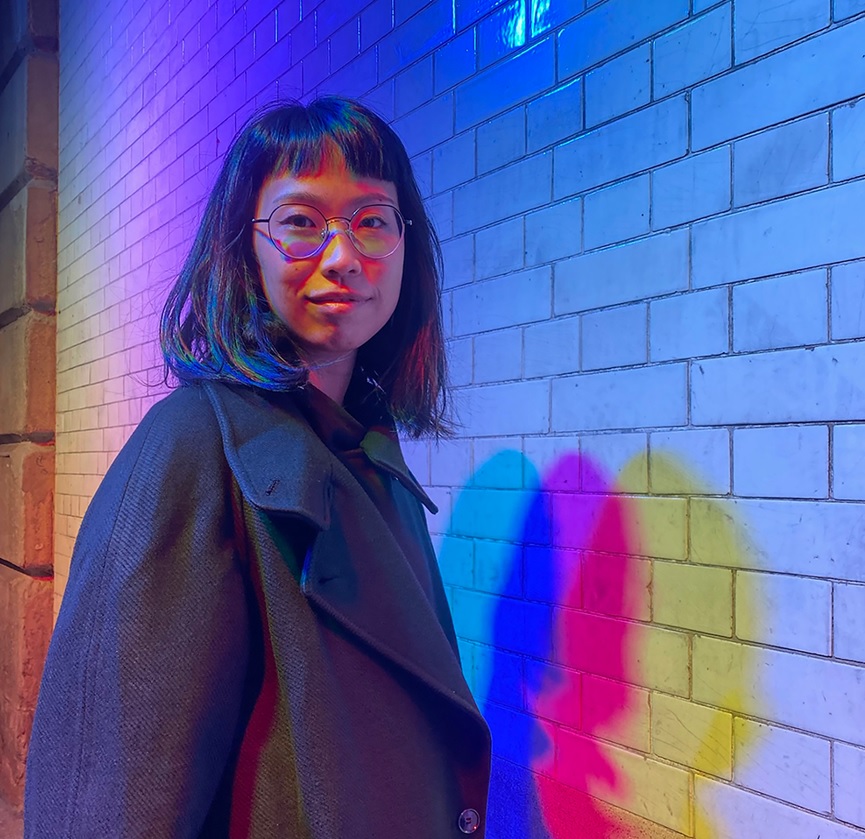
Singapore designer Sheryl Teng treats every thread as a question. At her Loup studio and as an Interactive Materials Lab researcher, she dissects clothing’s unspoken rules — then reinvents them. Her work is not just about making textiles, but unmaking assumptions.
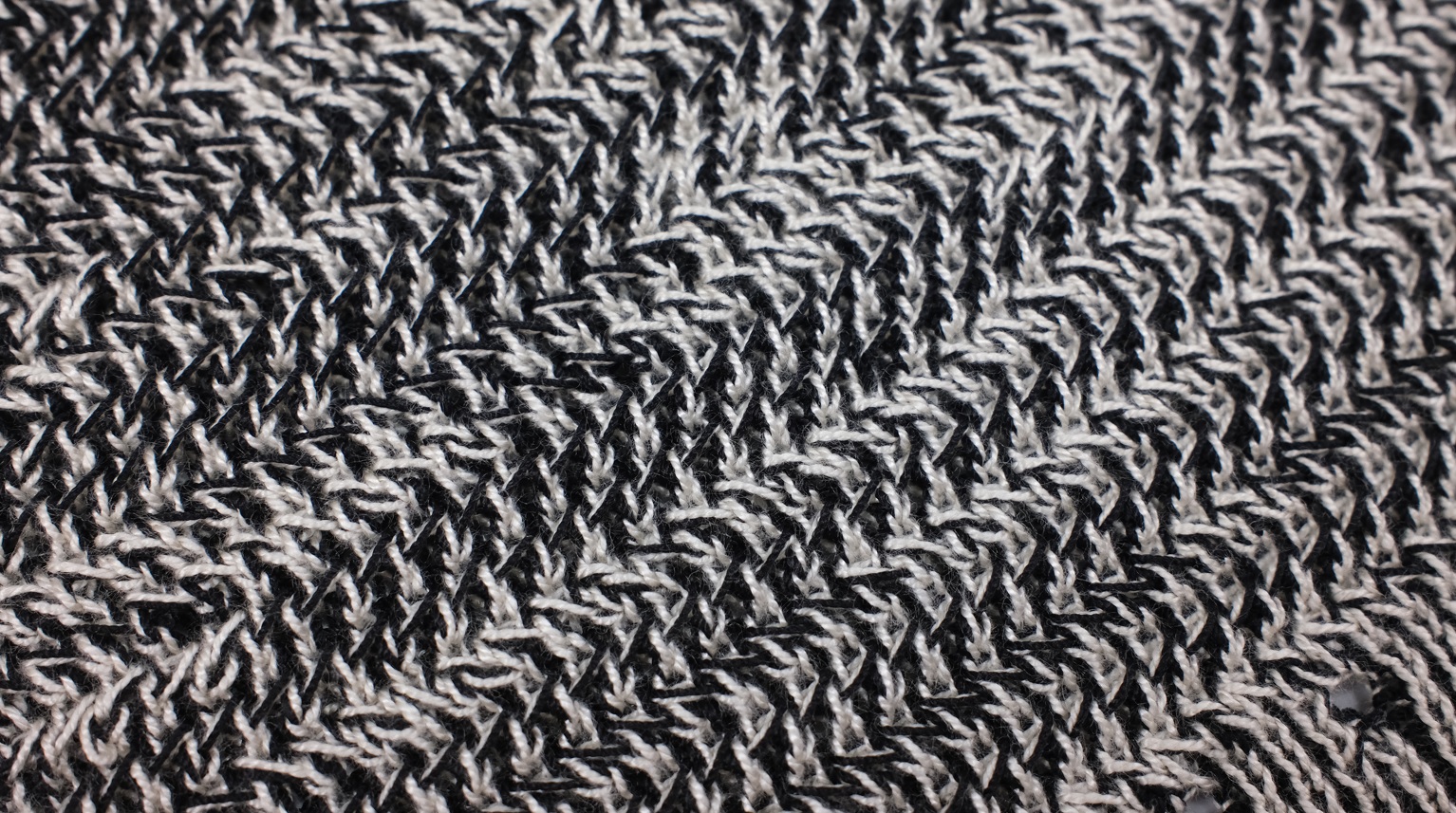
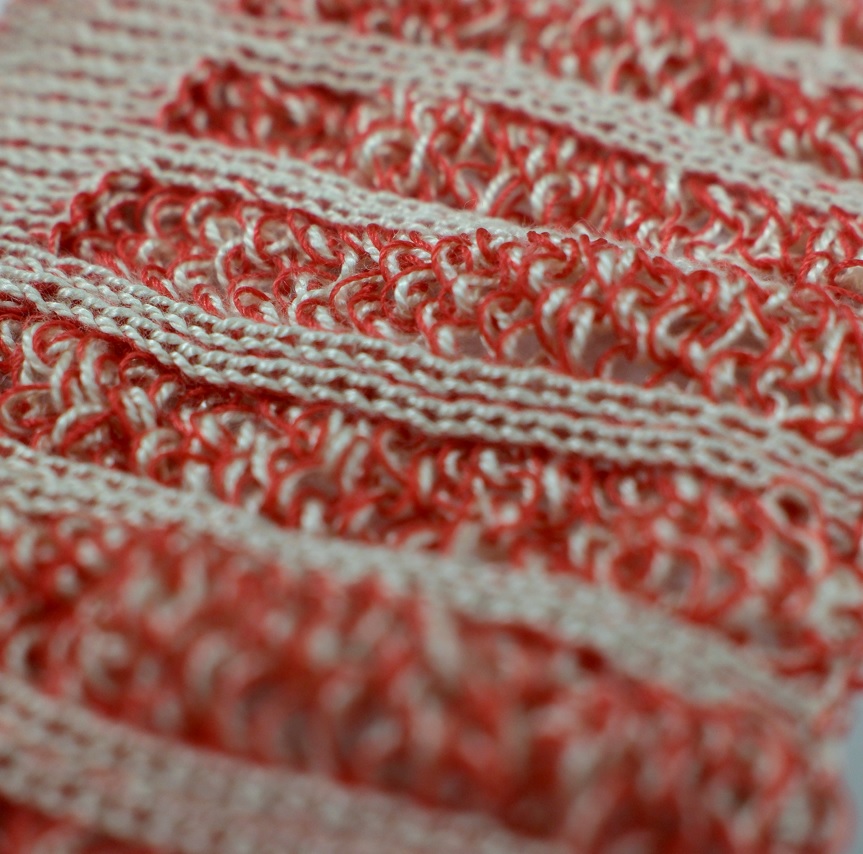
Take “Textiles in Translation”: a collection that transforms flaws (like moth-eaten holes) into features. Machine-knitted geometries become shape-shifting hybrids — neither quite garment nor object, but something provocatively in-between. “I’m interested in how materials misbehave,” she says.
Teng’s practice — equal parts material science and cultural archaeology — proves cloth can be both poetry and rebellion. Every dropped stitch tells a story.
E Ian Siew: The Alchemist of Air
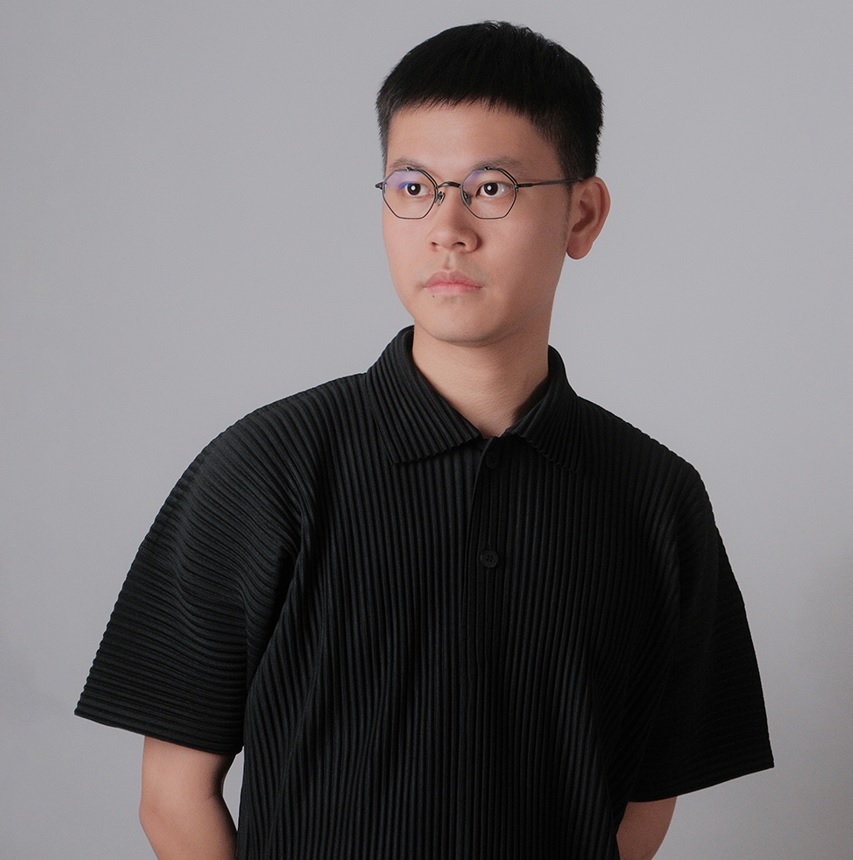
Singapore designer E Ian Siew works with the invisible. His (Air)just project treats compressed air not as mere filler, but as a structural material — one that bends light through tension and collapse.
In his hands, pneumatic systems become delicate choreographers. A bladder inflates; a form stiffens. Pressure adjusts; light shifts from diffused to direct. There are no switches here, only the quiet negotiation between resistance and flow.
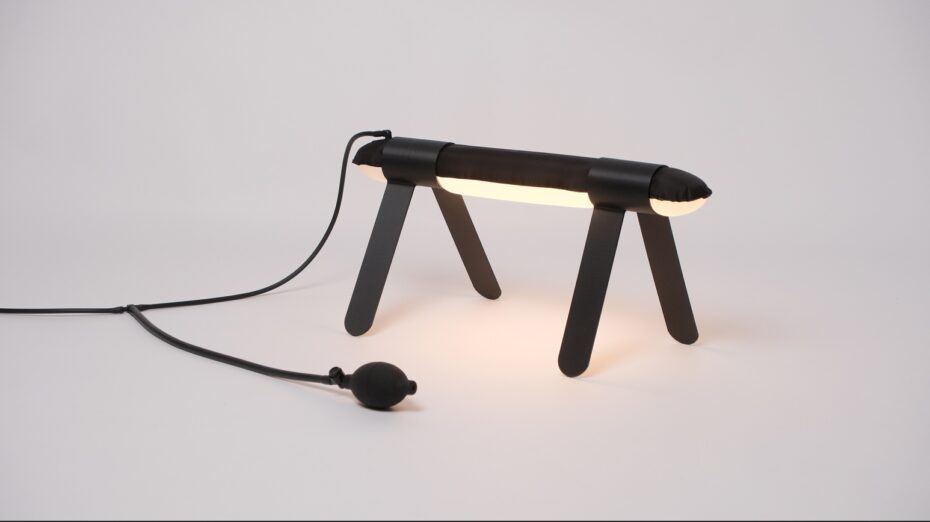

Trained in digital fabrication, Siew straddles worlds — from medical devices to kinetic installations — proving air’s potential as both skeleton and skin. His work asks: what if our environments could breathe?
Shervon and Melvin Ong: Weaving Time Itself
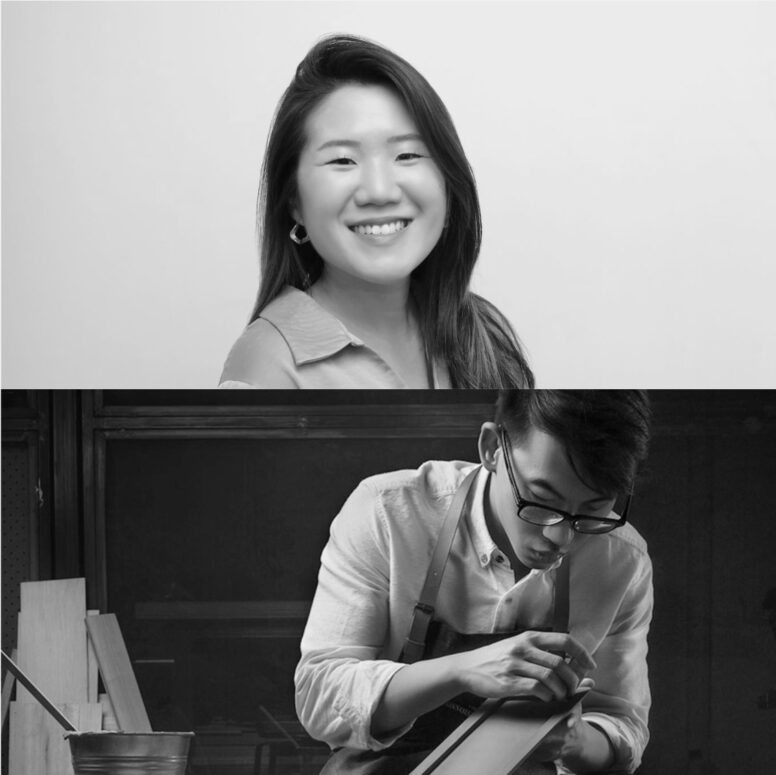
The Ong siblings do not just make objects — they orchestrate collisions across centuries. In Threads of Becoming Landscape, Singaporean designers Shervon and Melvin Ong integrate lacquer threading — a traditional craft used for Buddhist effigies — into a dialogue with 3D-printed geometries.
Working with lacquer-threading master artisan Andy Yeo, their hybrid artefacts emerge like relics from an alternate future: machine-born forms wrapped in hand-laid resin threads, each piece thrumming with tension between the devotional and the algorithmic.
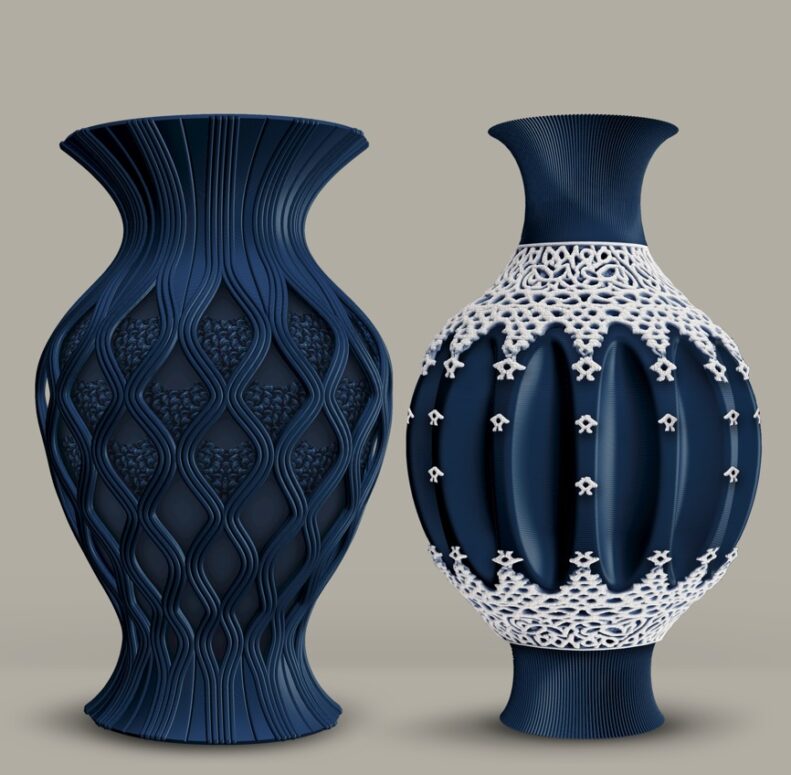
AI-aided designs helped shape the intricate details on these porcelain-glazed vases. Image: Shervon and Melvin Ong.
“The thread remembers what the printer forgets,” Shervon observes. Their work does not digitise tradition — it gives craft new verbs.
Sophia Chin Finds Poetry in Singapore’s Ashes
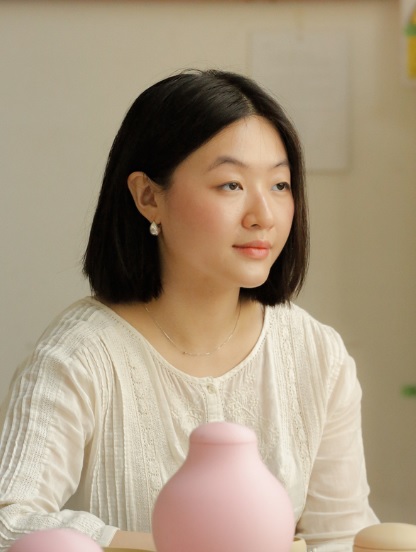
Sophia Chin sees what others discard. Her Incinerated Ware collection transforms Singapore’s municipal waste — incinerator ash — into exquisite porcelain glazes, each piece bearing the unique mineral fingerprint of the city’s consumed remains.
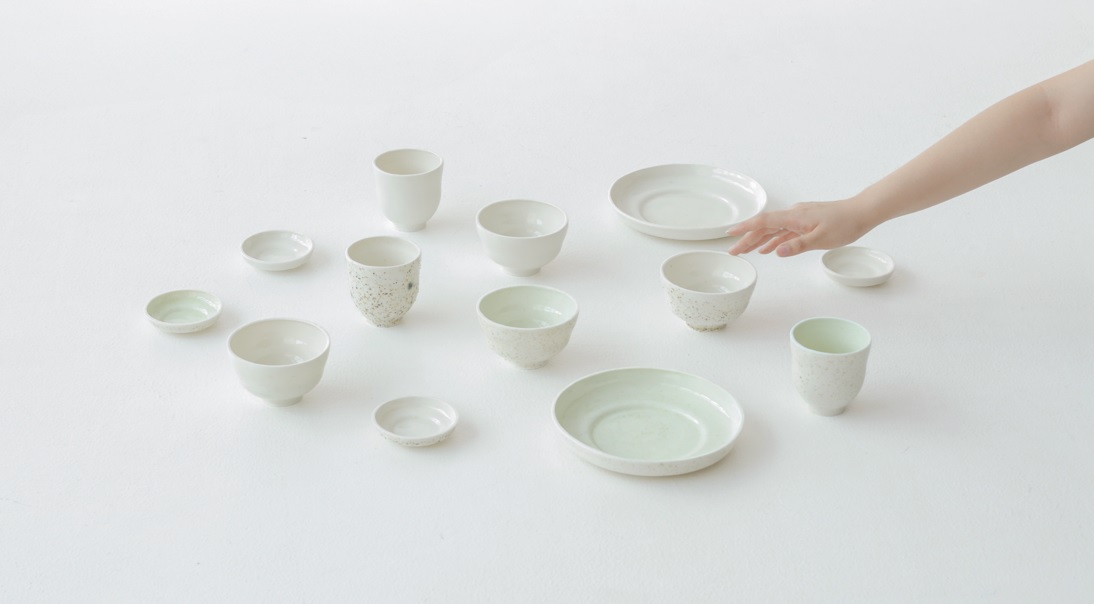
Where most ceramicists import commercial glazes, Chin mines beauty from local detritus, the resulting tableware — warm, speckled vessels with the texture of weathered stone — carries the unexpected palette of urban metabolism: soft greys from burnt plastics, ochre streaks from organic matter.
“The ash remembers everything,” she says. In her hands, even waste becomes a meditation on consumption, place and the quiet afterlife of objects.
For more design reads, click here.
The post Singapore Designers Define A Nation’s Celebration appeared first on LUXUO.