Rethinking Holiday Homes for the Festive Season
LUXUO explores how interior architecture has changed in the last decade in the context of holiday homes. What was once reserved for private retreats and everyday routines is now a response to a cultural desire for gathering, hospitality and ritual. The vacation home is no longer just a place to recover in between festivities — it is now focused on convivial rituals, with an immense table serving as the anchor, fluid kitchens acting as social motors and boundaries dissolving to connect celebration spaces. When it comes to designing holiday homes around the festive season, architects and interior designers are rethinking the grammar of residential space to make entertaining a primary function.
The Communal Heart: Oversized Dining as Architecture
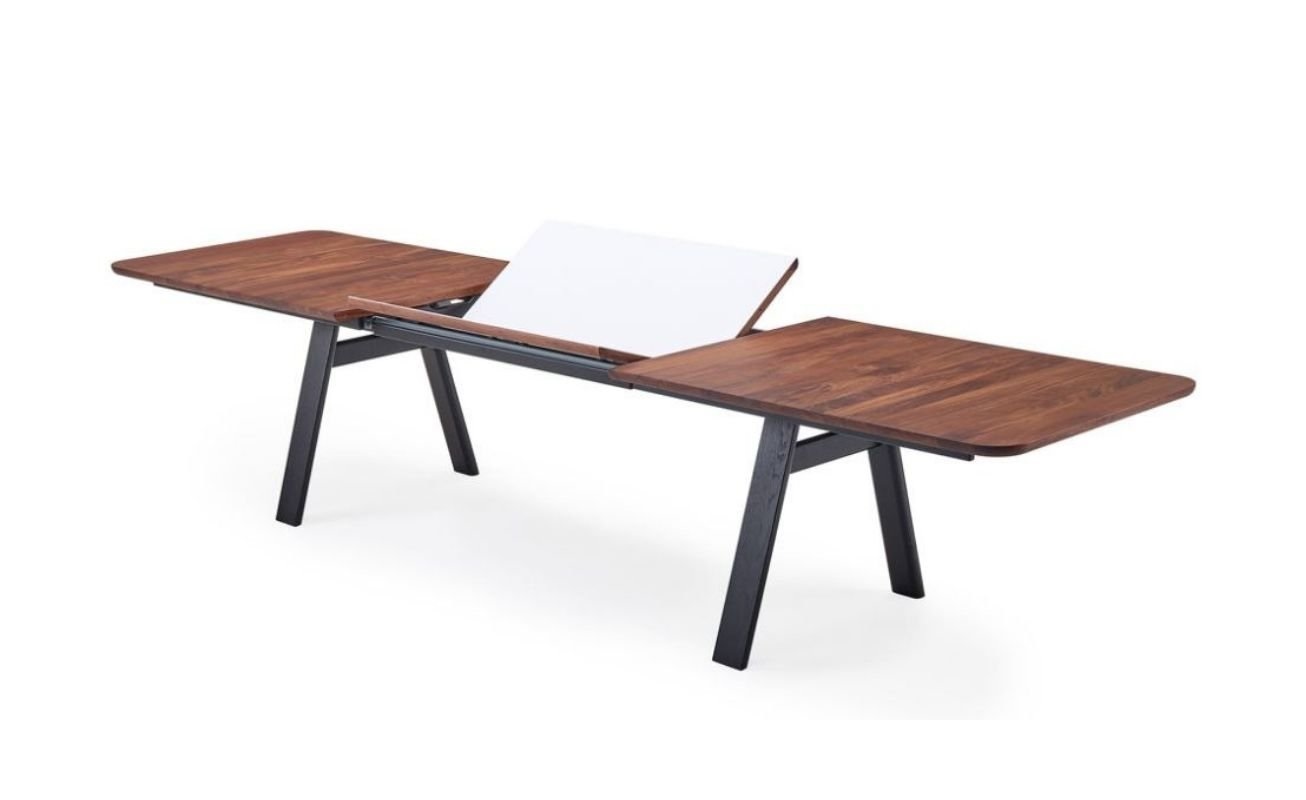
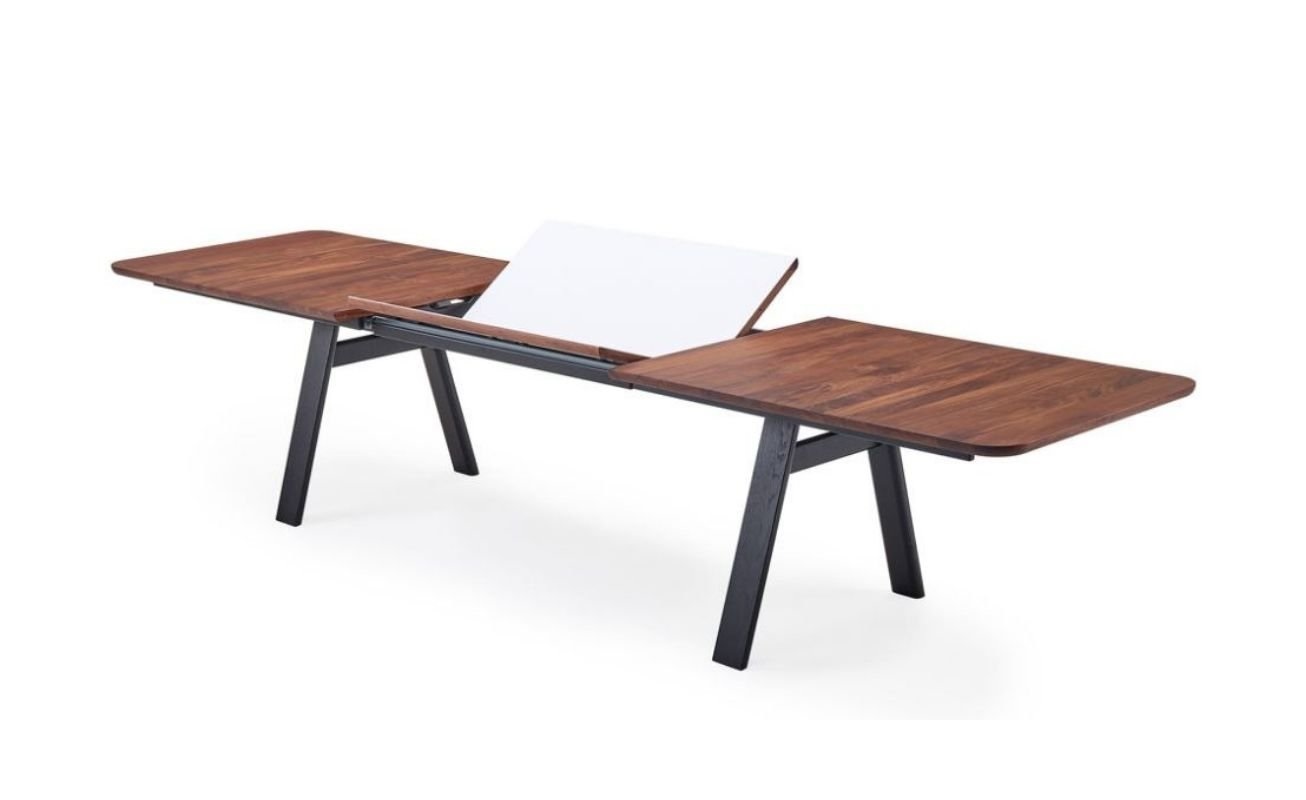
The Chess Extendable Dining Table is easy to fold and expand. Image: Danish Design Co. (left)
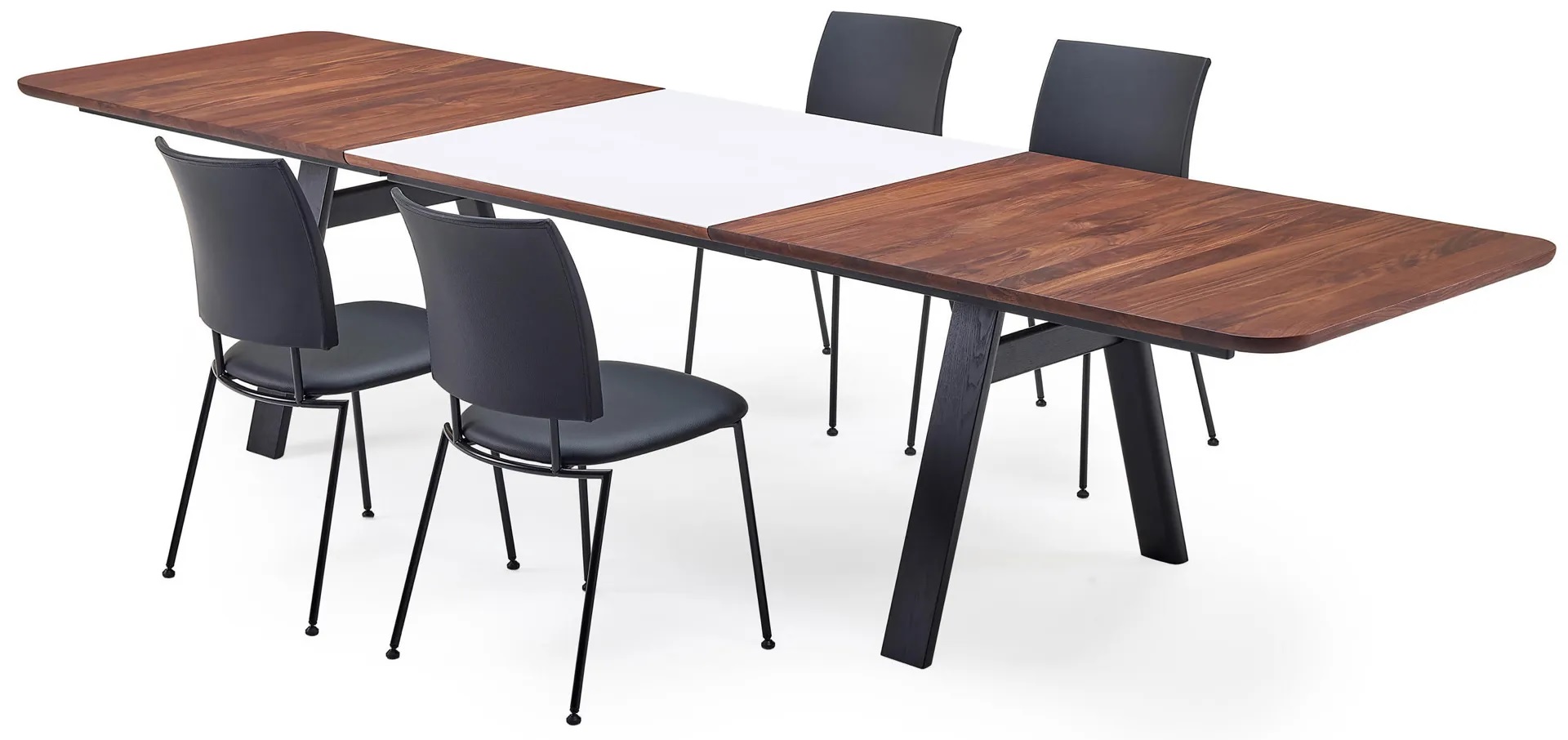
The Chess Extendable Dining Table can accommodate 10 people. Image: Danish Design Co. (right)
A significant shift in design objectives has positioned the dining table at the heart of the home’s spatial hierarchy. Extended tables, which can comfortably accommodate twelve or more people, are replacing smaller ones that were formerly reserved for ordinary meals. A good example is the “Chess Extendable Dining Tables made by Sren Nissen & Ebbe Gehls, stocked at Danish Design Co. These tables are not decorative afterthoughts, but structural anchors that control circulation and proximity. By dedicating additional square metres to dining areas, architects acknowledge the ritual of shared meals as architectural infrastructure rather than an ornament.
Kitchens as Social Stages, Not Backdrops

Traditional kitchen layouts based on efficiency are losing way to designs that emphasise engagement. The communal kitchen, with seating arching around an island or a circular island inviting interaction from all sides, has gained popularity. This shifts long-held assumptions: the kitchen is no longer a back-of-house workspace, but rather a social stage. Designers are increasingly proposing dual-function kitchens that balance meal preparation alongside hospitality zones. The reintroduction of the scullery or back kitchen allows the main kitchen to remain visually calm during gatherings, concealing clutter while allowing for serious cooking behind the scenes. Gullo kitchens are renowned for their high levels of customisation to suit the homeowner’s needs.
Fluidity and Flexibility: The New Spatial Codes

Entertaining today necessitates spatial flexibility. Fixed barriers between cooking, dining and living spaces are being replaced with sliding panels, pocket doors and partial partitions. These fixtures and interior additions allow the physical space of venues to extend for huge gatherings while contracting for intimacy or acoustic control. Generous glass apertures further blur the line between inside and exterior, especially in vacation homes. Terraces, courtyards and gardens serve as extensions of the dining room, reducing crowding and boosting capacity without formal development.
Seating Designed to Gather
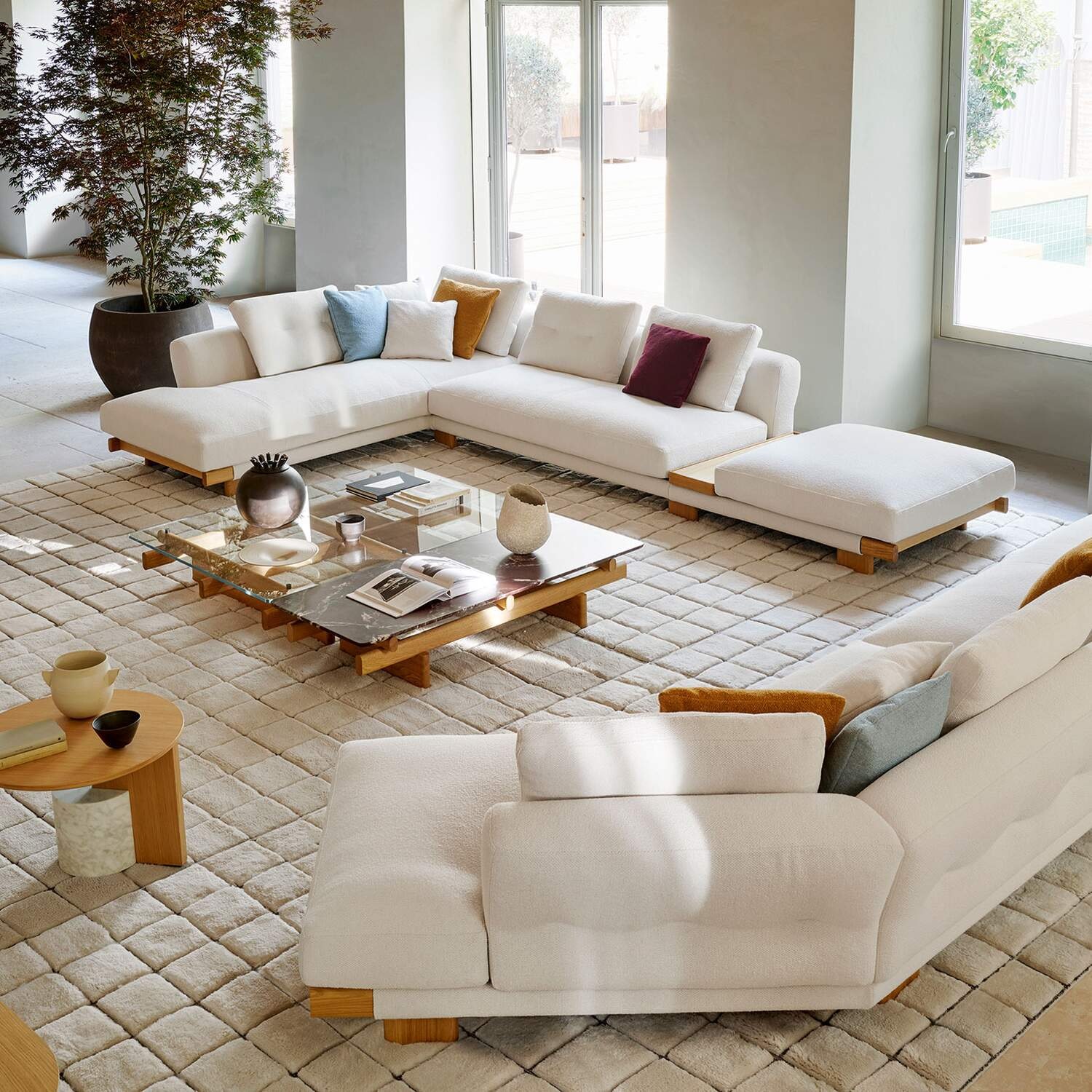

The Sengu sofa system designed by Patricia Urquiola for Cassina is modular to suit any space. Image: Cassina. (left)
The sumptuous and plush “Standard” sofa designed by Francesco Binfaré for Edra. Image: Edra (right)
Large, open rooms work best when seating is carefully planned. Designers choose banquettes, deep sofas, conversation pits and tiered seating patterns that divide large spaces into smaller social groupings. Instead of encouraging people to congregate in one location, these arrangements encourage movement and informal conversation. Seating becomes a type of spatial choreography. The arrangement of sofas, benches and loose chairs directs sightlines and circulation, allowing groups to develop and disperse organically throughout the evening. A good example of a sprawling, sumptuous sofa with generous proportions is the Standard sofa designed by Francesco Binfaré for Edra, stocked at Space Furniture. The Sengu sofa system is distributed by W. Atelier.
Multi-Generational and Multi-Purpose Zones
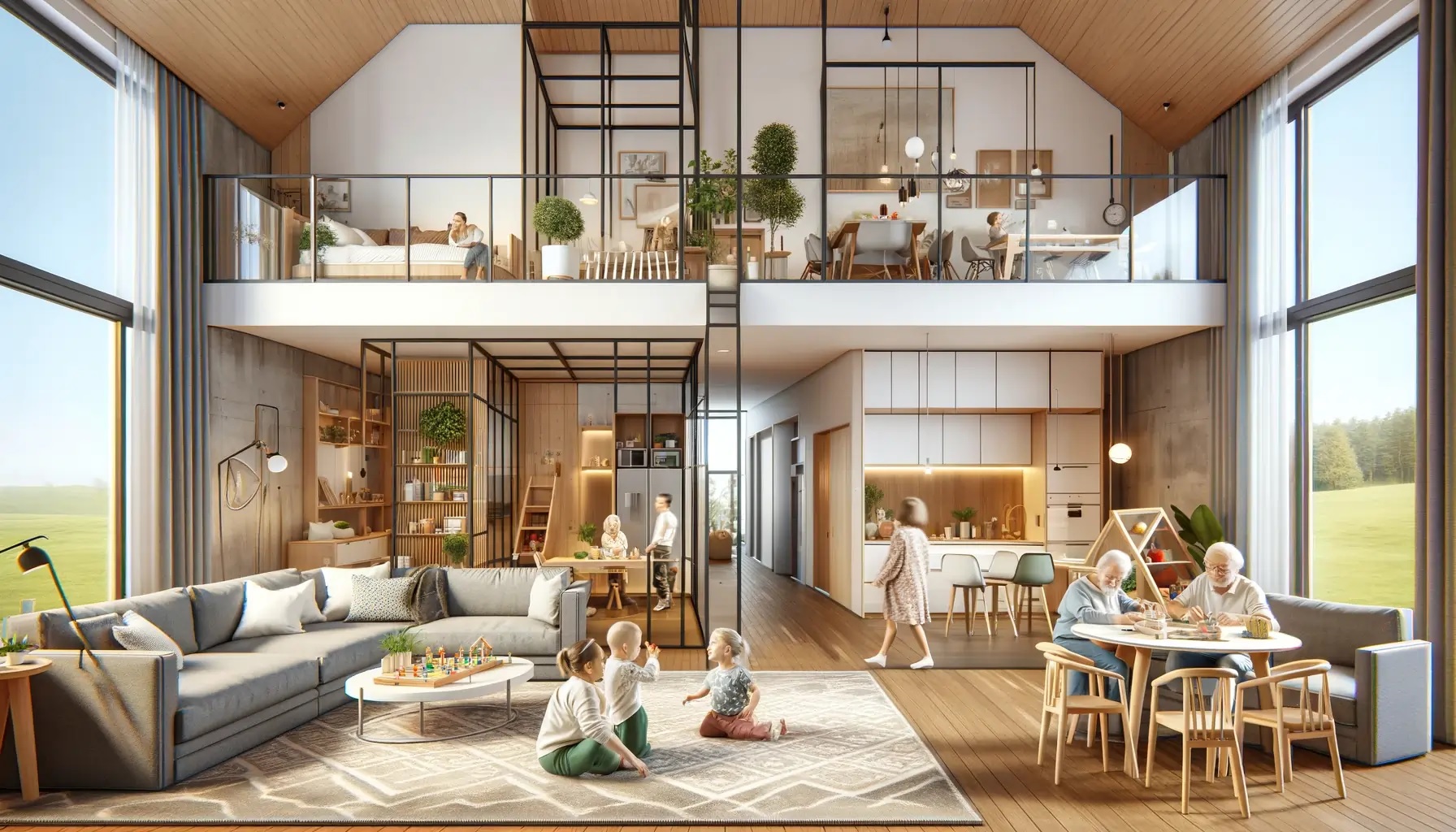
Holiday homes are increasingly being developed to accommodate different age groups and activities. Flexible zones enable children to occupy one area while adults congregate elsewhere, without complete separation. These rooms are visibly connected but functionally independent, allowing for parallel rituals within the same open structure. Rooms no longer serve a single purpose. A dining area can host breakfast, function as a workspace during the day and morph into a long-table setting at night. This adaptability indicates a shift toward households that follow rhythms rather than rigid schedules.
The Ritual of Concealment and Reveal
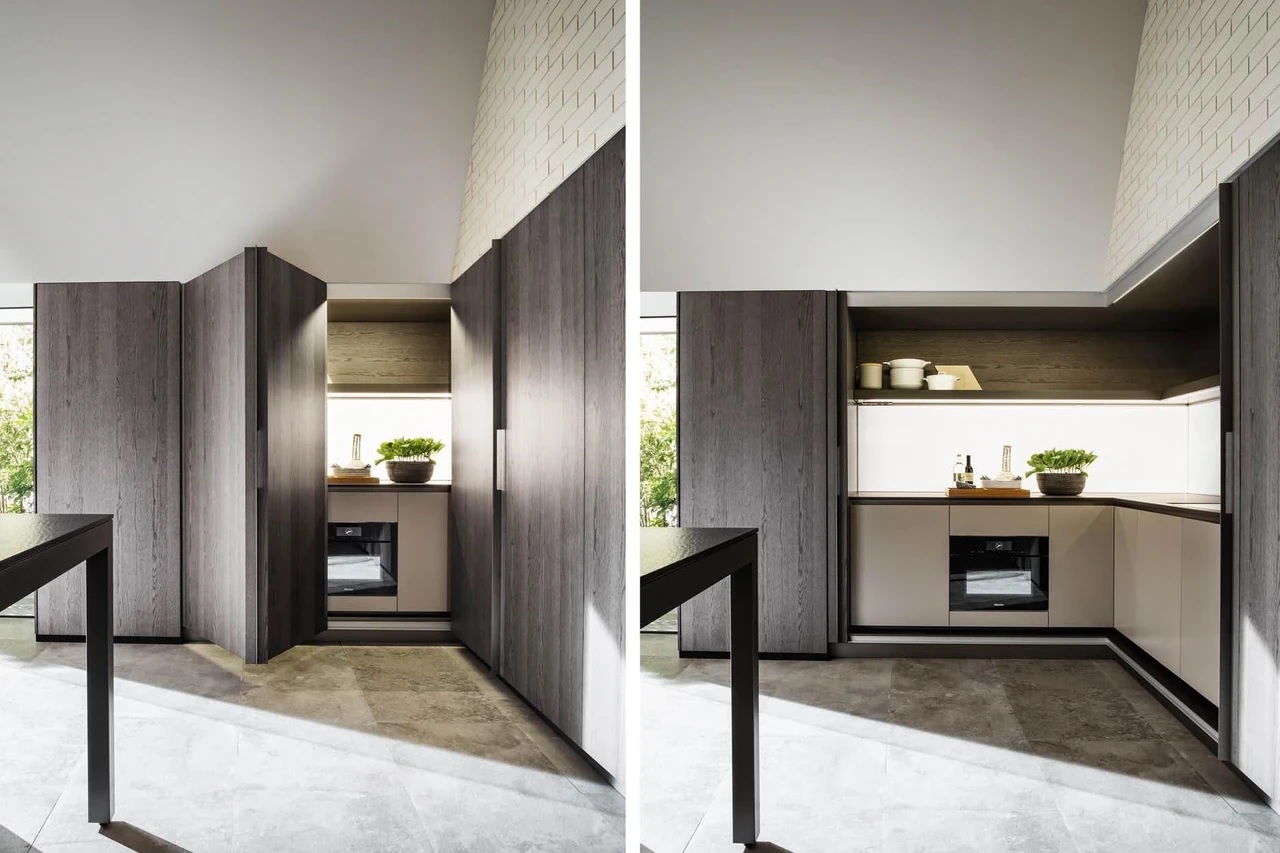
Contemporary entertainment strikes a balance between openness and control. While social places are intended for visibility and interaction, service operations are discreetly hidden. Integrated storage, pantries and back-of-house zones conceal necessities, making the entertaining experience feel uncomplicated. This dance of reveal and concealment allows hosts to be present rather than continually managing the mechanics of service.
Outdoor Living as a Social Extension
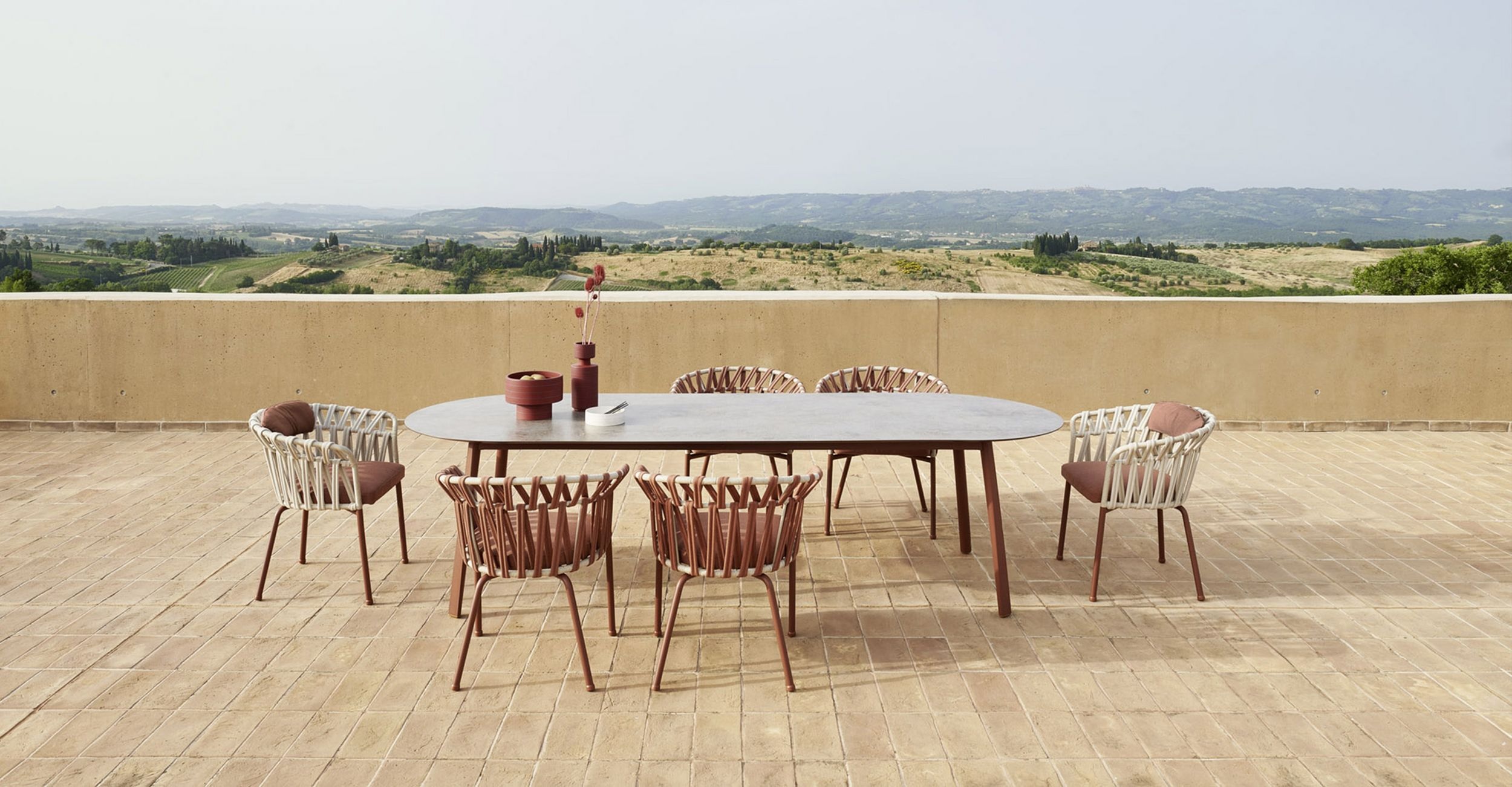
Outdoor living becomes an integral stage of entertainment for holiday homes when the environment allows it — not a fringe amenity, but an intentional extension of the social programming. Patios, terraces and verandas are now envisioned by designers as layered “rooms without walls”: areas to dine, relax, cook and linger, all with the same level of comfort and detail as an indoor living room.
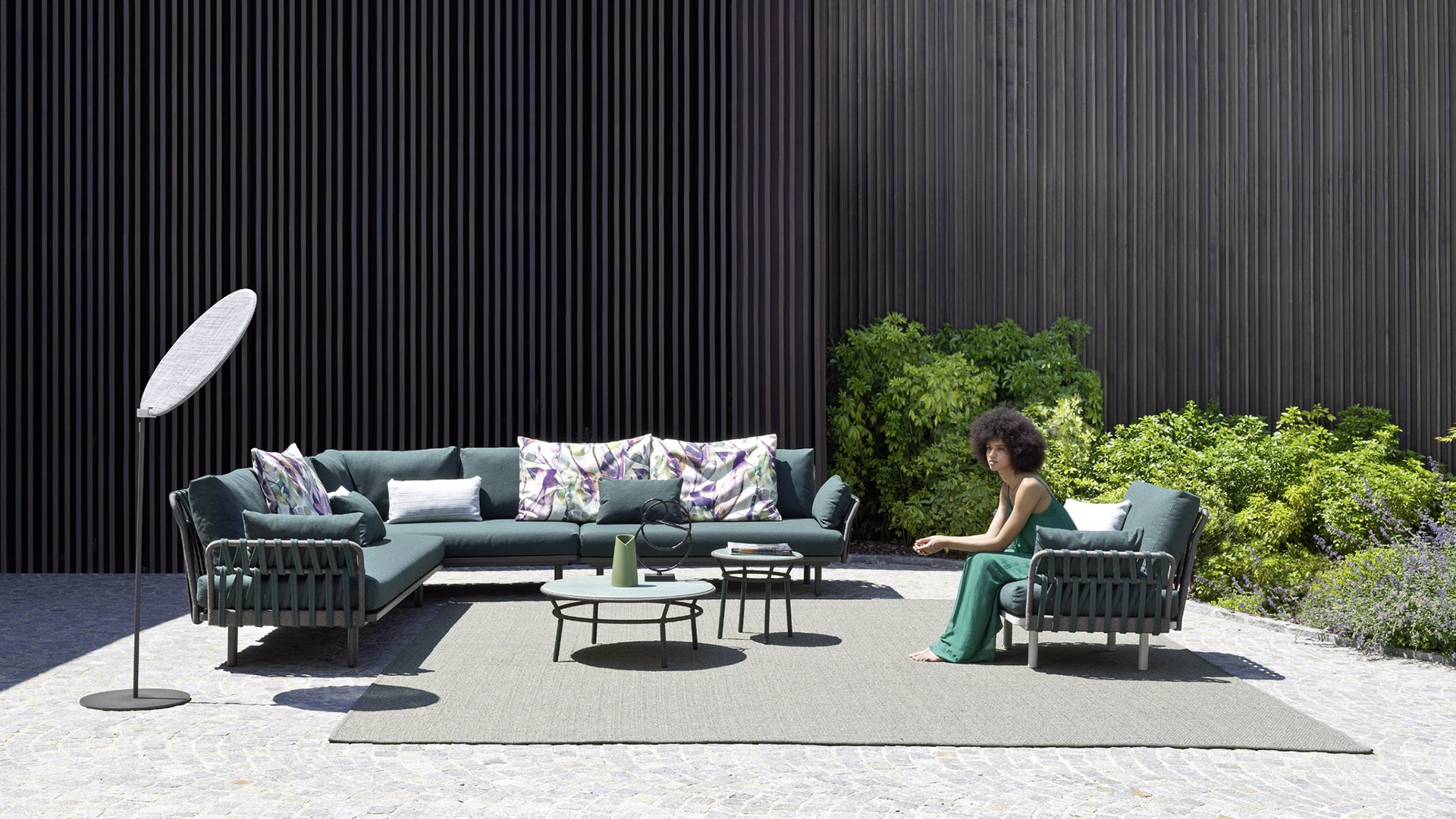
Image: Varaschin.
Hardscape and landscape are designed to encourage people beyond threshold boundaries, while lighting, textiles and furniture enable these spaces to function from morning coffee to late-night conversation. This outdoor expansion fits varying group sizes and moods, allowing for larger gatherings while maintaining the intimacy of indoor areas. If one is considering creating a space for outdoor living, consider the “Emma Cross” collection by Varaschin, distributed by Made & Make.
Built for the Ritual of Gathering
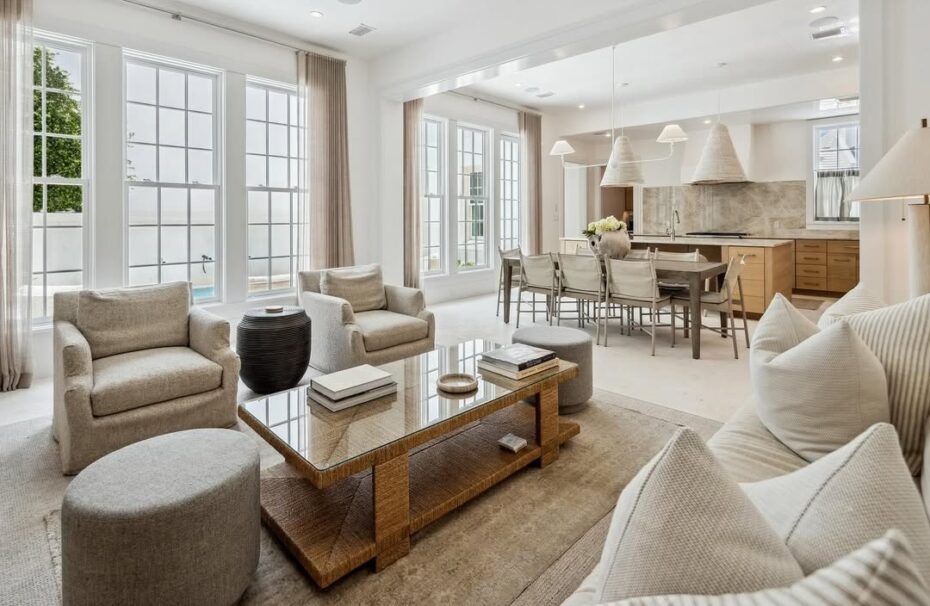
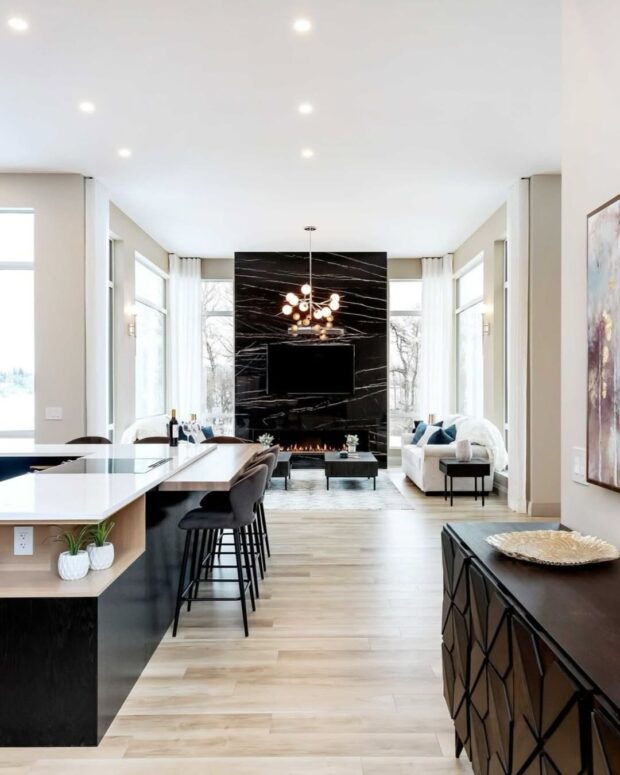
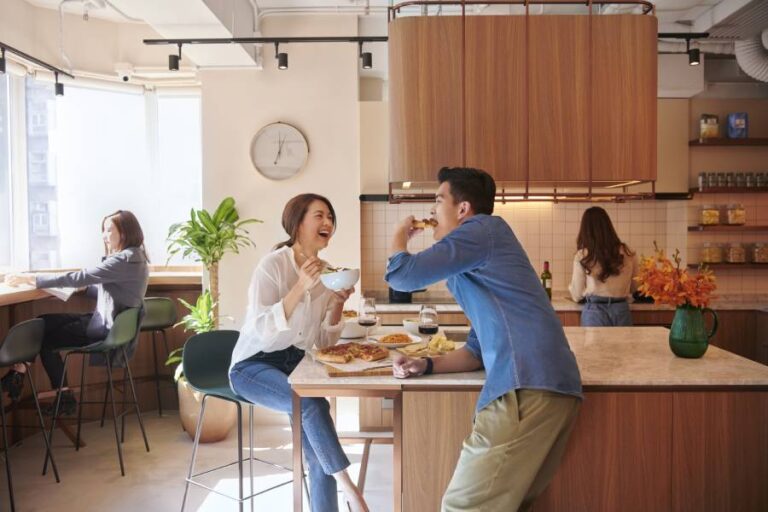
Built for the ritual of gathering in the living or dining areas. Image @alysbeachrealestate (left)
Whether it’s the bar counter or the living area, family members can gather effortlessly. Image: @decorahomes (right)
The trend towards hosting-ready homes is altering residential architecture and interior design. Spatial hierarchies increasingly prioritise ritual over routine: big tables, fluid kitchens, layered seating and adjustable zones all contribute to a home’s social life. The objects that fill these spaces — from dignified dining chairs to sculptural patio sets — are as much a part of the architecture as the walls and windows, combining form and ritual. This growth mirrors a broader cultural shift: design is no longer about specific rooms, but about how spaces support human connection and memory. Interiors in hosting-centric houses become venues for shared experiences — spatially open but highly expressed, fostering connection while maintaining comfort and elegance. Architecture and furnishings collaborate to promote gathering, circulation and conviviality across time and scale. When it comes to today’s holiday homes, entertaining has become the guiding concept, not an afterthought.
For more luxury home reads, click here.
The post Rethinking Holiday Homes for the Festive Season appeared first on LUXUO.