Opinion: Dubai’s Property Bubble Set to Burst
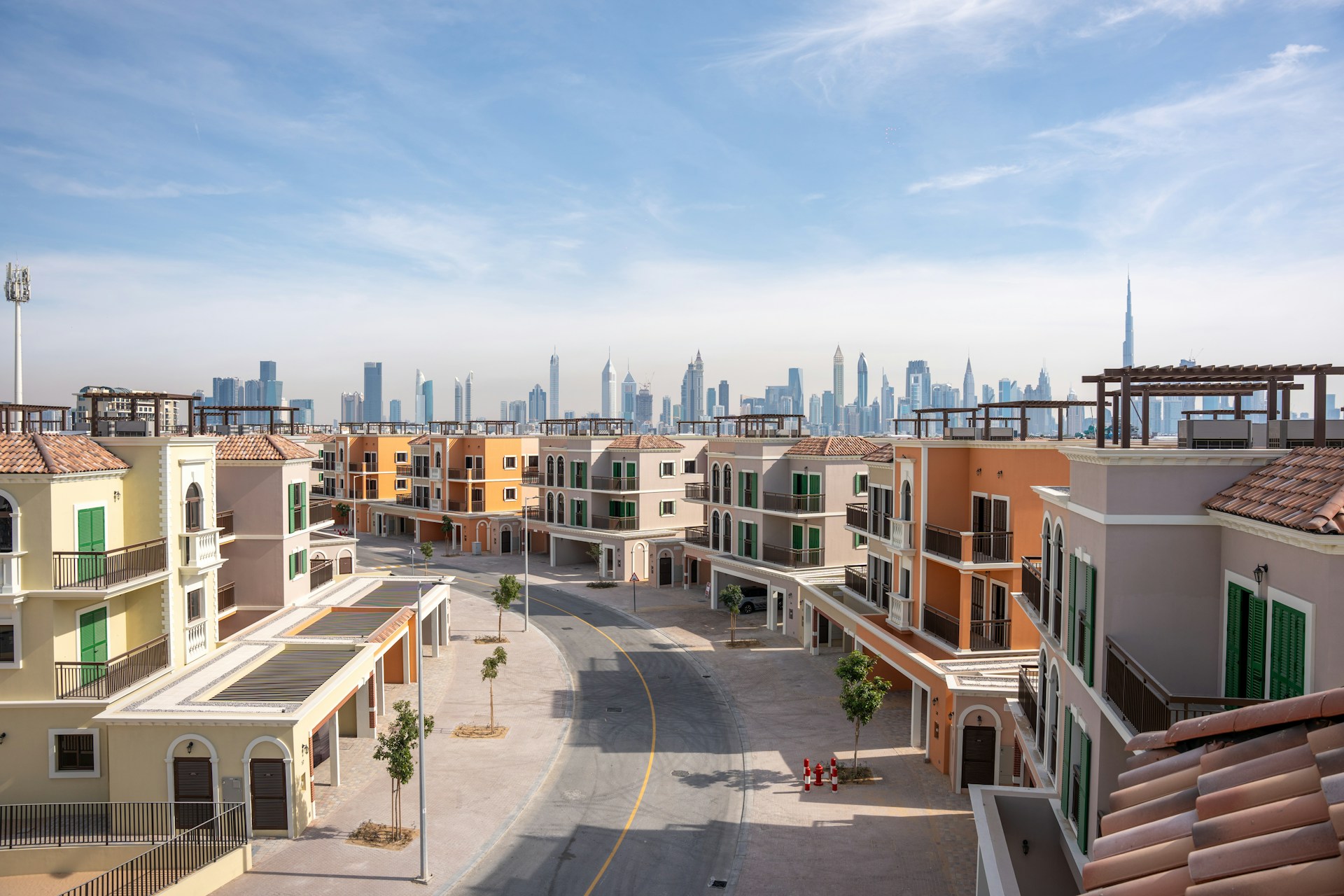
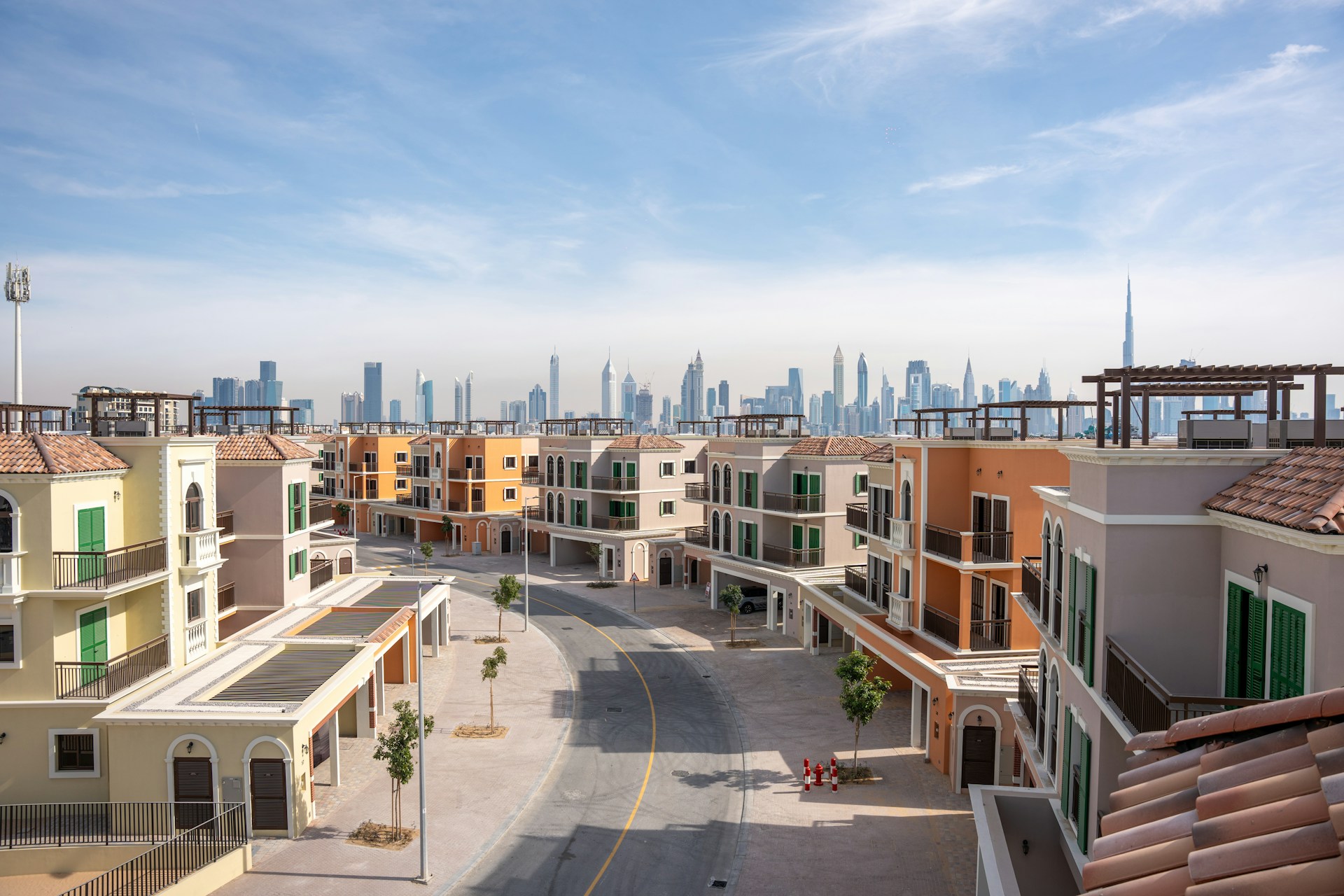
“Don’t Buy Property in Dubai,” reads an online news article. Dubai’s real estate market has a habit of making headlines for all the wrong reasons. After a meteoric post-pandemic boom that saw residential prices surge by around 60 percent between 2022 and early 2025, ratings agency Fitch has raised the alarm. Its report predicts a double-digit decline in property prices as early as late 2025 through 2026, warning that a flood of 210,000 new housing units — double the previous three-year average — could trigger a significant correction.
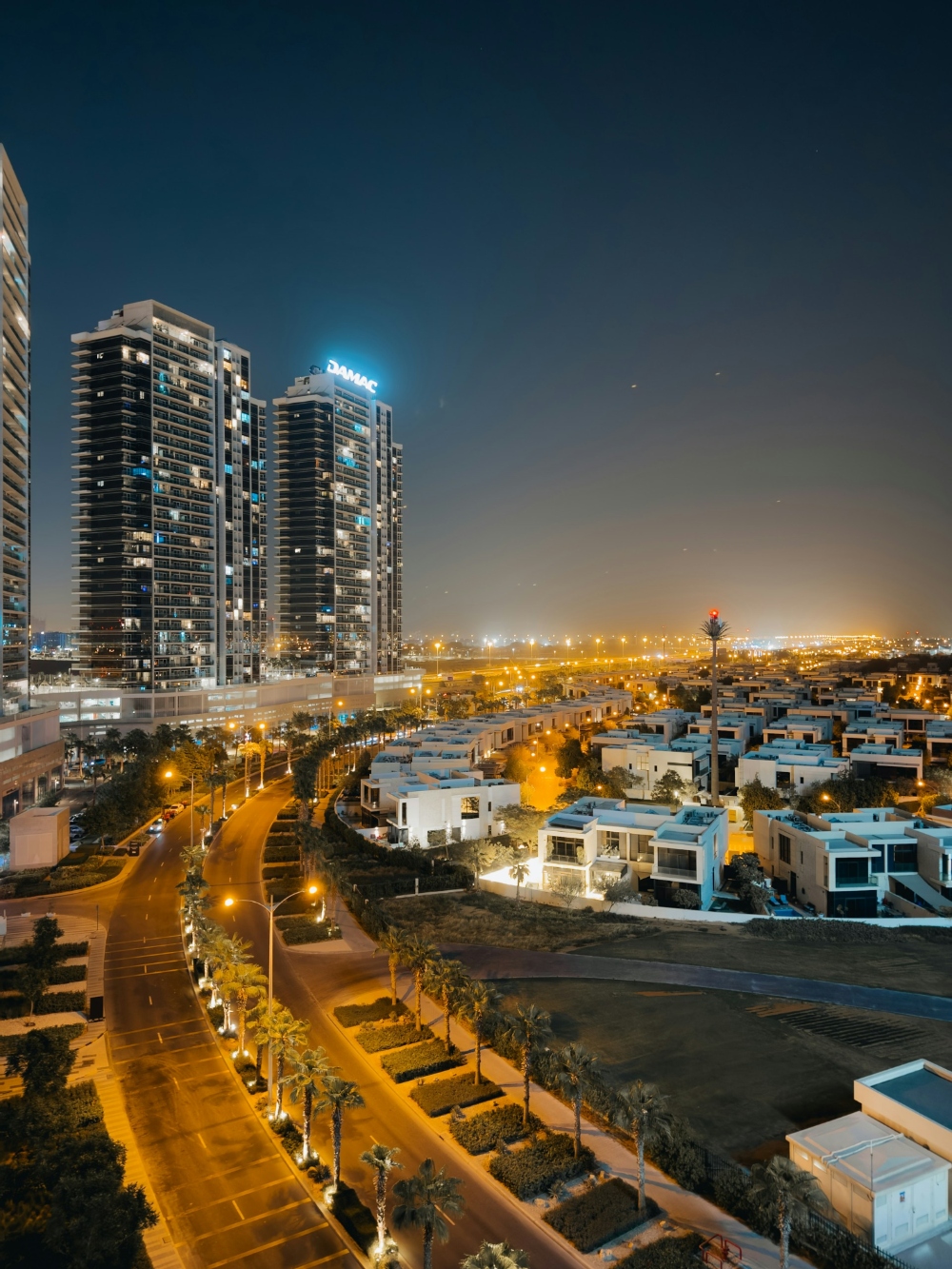
Despite glossy headlines about villas trading at record prices and ultra-luxury deals topping USD 10 million, the city’s foundation is shakier than many realise. Dubai’s population remains relatively small at four million, and large portions of the city’s residential high-rises sit empty, with occupancy rates often hovering at 30 to 40 percent. Many new developments, especially in the mid-market apartment sector, risk joining the infamous ranks of unfinished or under-occupied projects such as The World archipelago, which has become a symbol of Dubai’s overambitious construction sprees.
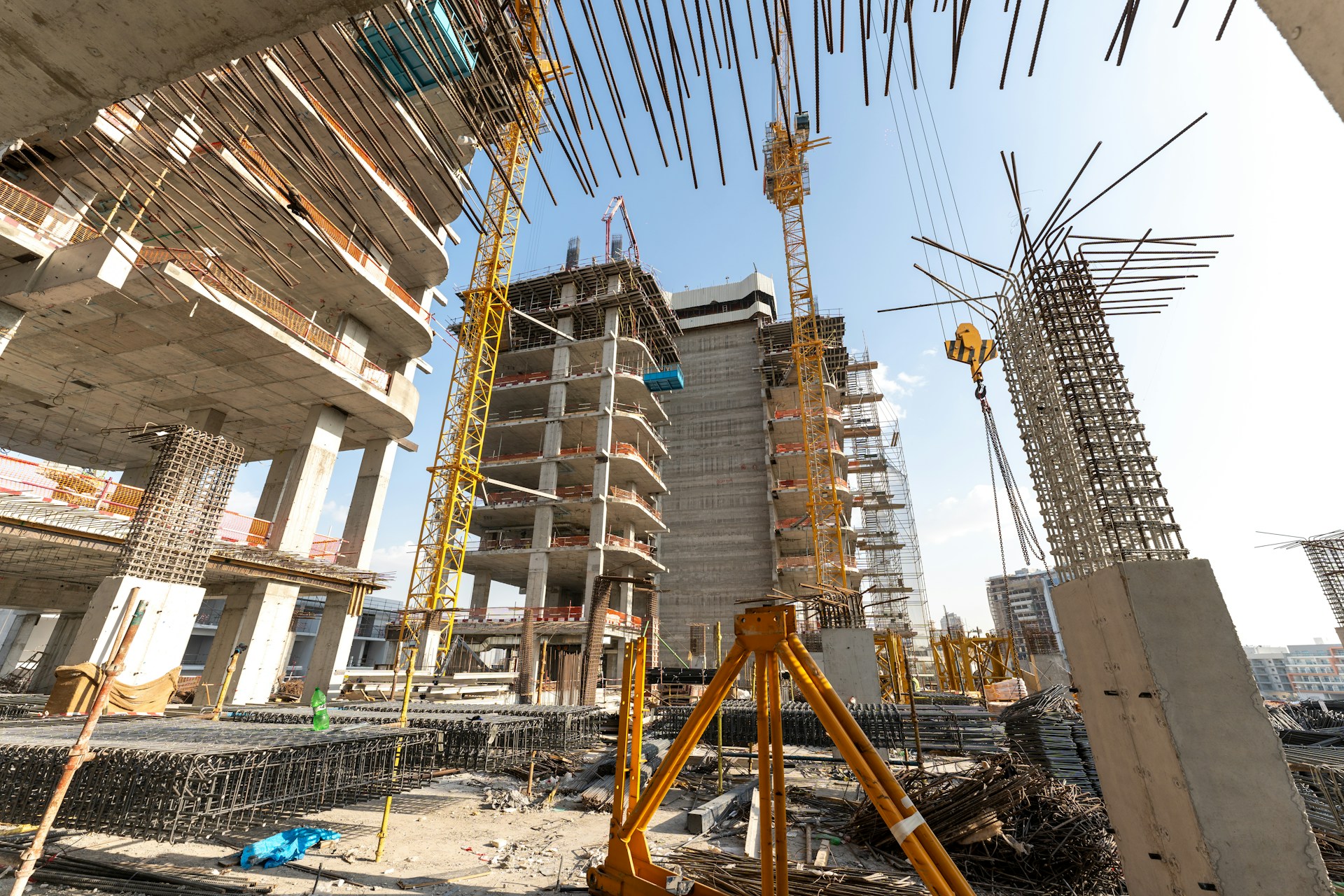
Oversupply is not Dubai’s only concern. The emirate’s economy remains heavily reliant on construction and real estate, which together account for more than 17 percent of GDP. When the next global slowdown or regional crisis hits, the consequences could be severe. Historical precedent is stark: the 2008 property crash forced a mass exodus of residents, leaving luxury cars abandoned at airports and billions of dollars of developments stalled or cancelled. Critics argue that the city’s small population and non-diversified economy make it uniquely vulnerable to another repeat of such events.
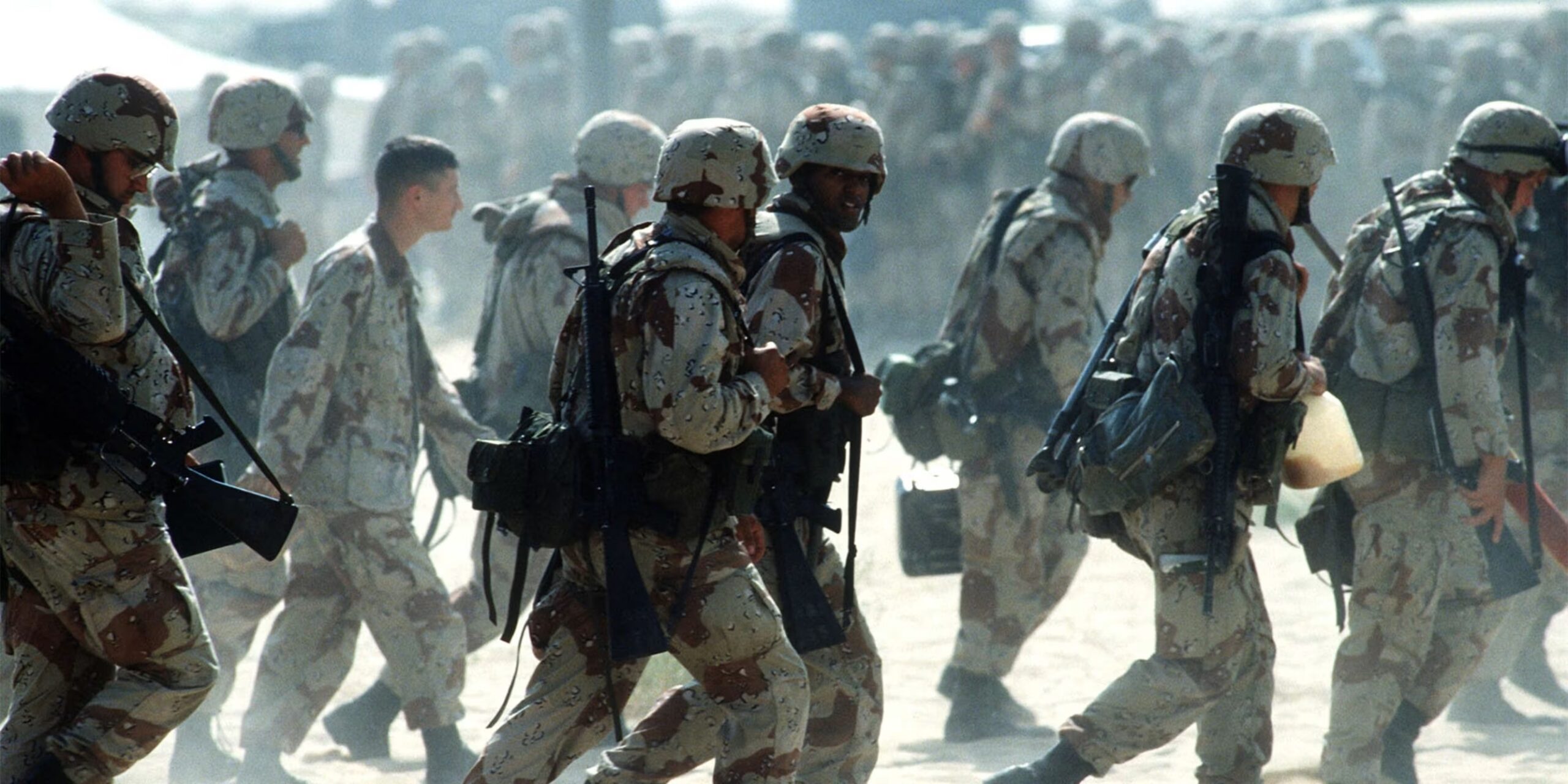
Geopolitics adds another layer of risk. The Gulf is no stranger to tension, and rising disputes involving Saudi Arabia, Iran and Qatar, alongside regional militant threats, could undermine investor confidence. Falling oil prices — currently struggling below USD 100 per barrel — further strain the emirate’s economic cushion, threatening both property values and consumer spending.
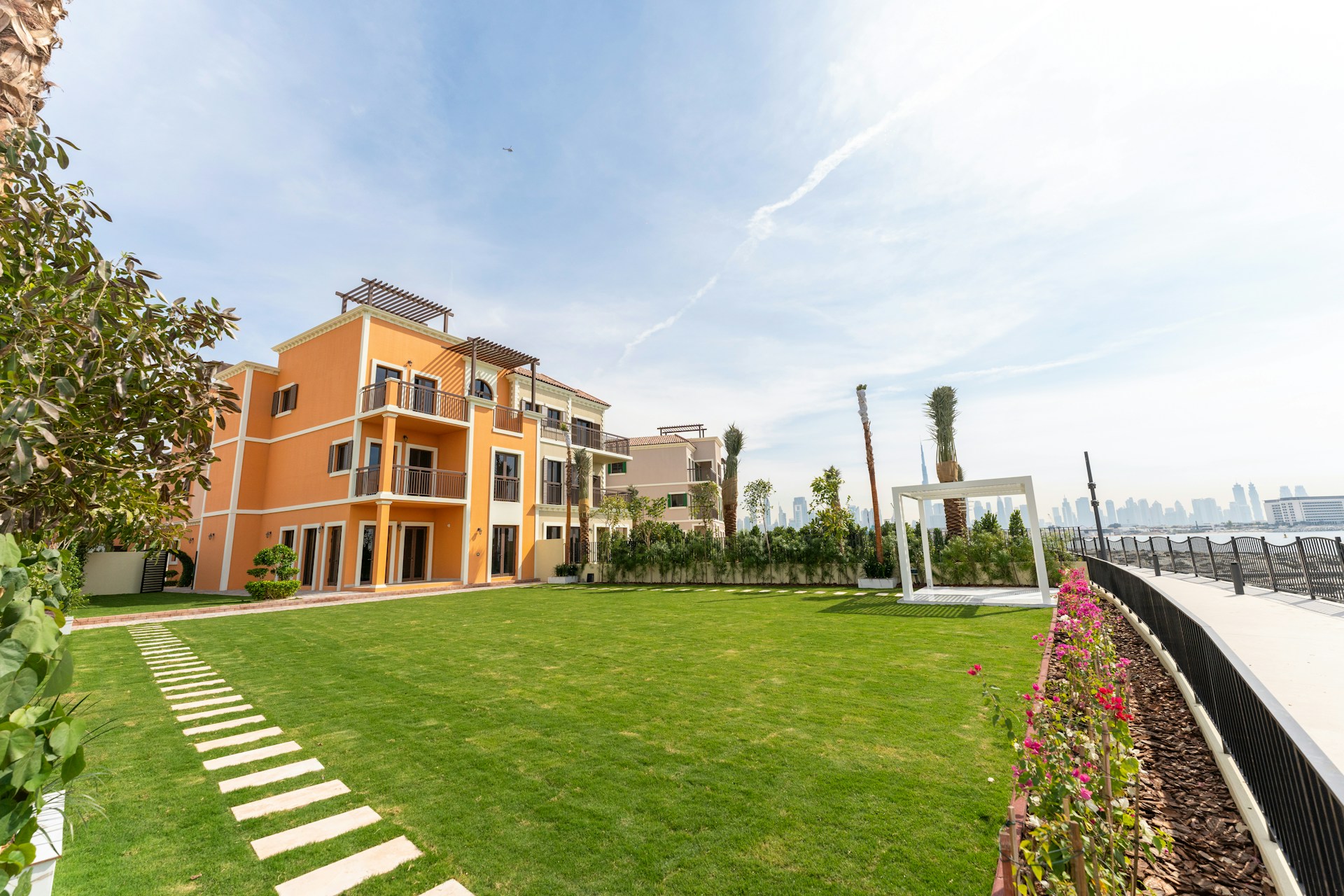
Even the glitzy promises of long-term visas, tax incentives and international schooling options may not be enough to counteract structural vulnerabilities. Analysts warn that while high-net-worth individuals may continue snapping up villas in Palm Jumeirah or La Mer, the mass-market apartment segment is exposed to oversupply and weakening yields. Fitch predicts residential prices could drop by up to 15 percent in affected segments, and rental yields have already softened by 30 basis points in some areas.
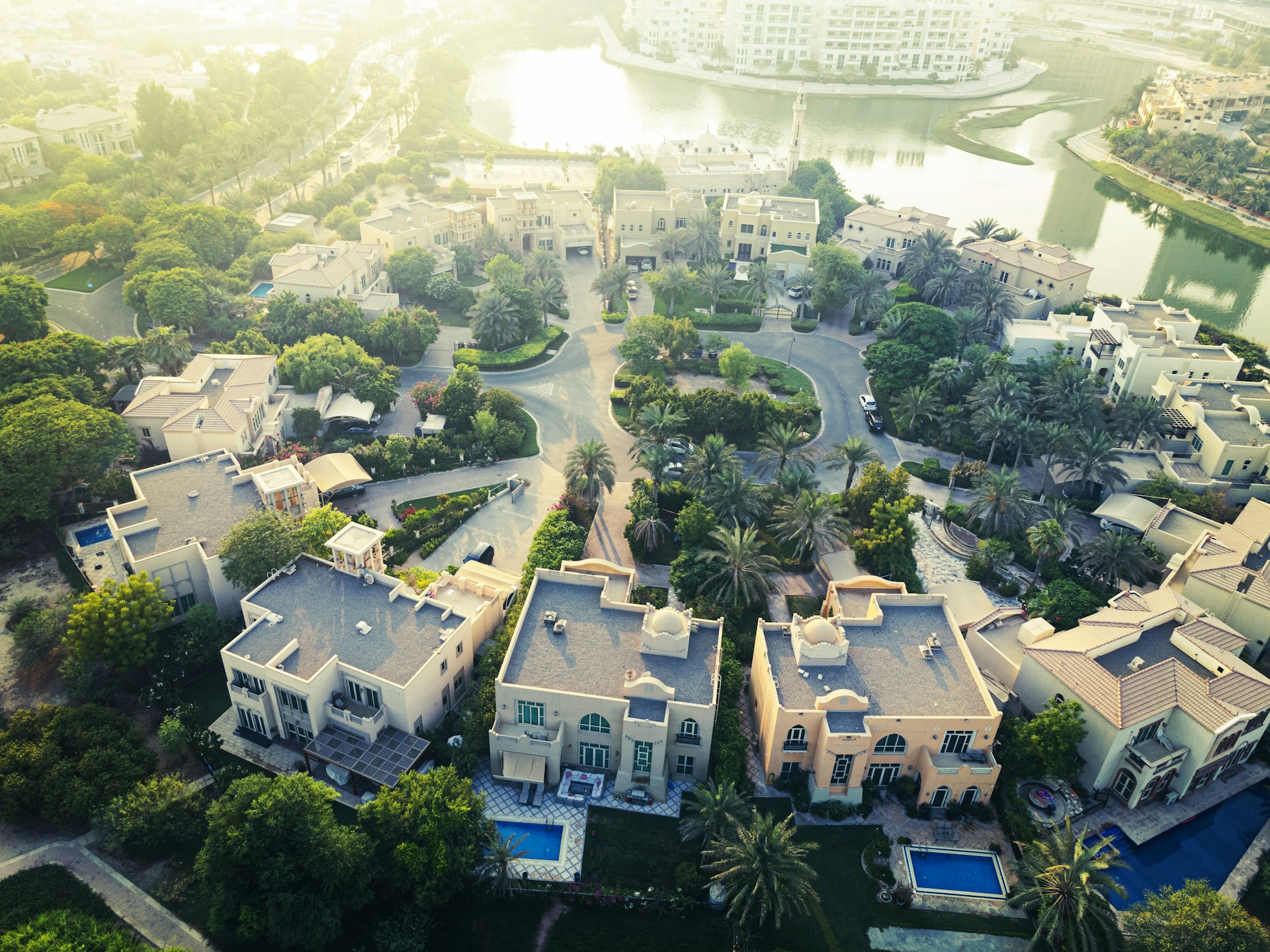
Dubai’s real estate frenzy has long relied on the mantra “build it and they will come.” The city has delivered spectacular growth for investors in the short term, but the question remains whether it can sustain this momentum without collapsing under the weight of its own excess.
That said, not all is doom and gloom. Premium villas and waterfront developments continue to attract wealthy buyers, and brokers like Knight Frank and Savills highlight record transactions and rising upper-end prices. Some experts suggest that Dubai may avoid a full-scale crash if these high-demand niches remain resilient. Yet even this should be approached with caution, as history has shown that luxury markets are not immune to systemic shocks.
Dubai is at a crossroads as reports forecast a market teetering on a knife-edge, vulnerable to oversupply, geopolitical instability and economic volatility. For anyone considering a real estate investment, caution is essential.
For more on the latest in luxury property reads, click here.
The post Opinion: Dubai’s Property Bubble Set to Burst appeared first on LUXUO.