Nhà Estate, Vietnam: Where Nature and Family Memories are Preserved
It is a quiet irony of wealth that as one’s means expand, the heart drifts back toward the essential and nothing is more essential than the concept of home. For decades, luxury was often associated with familiar images: grand private residences, elaborate services, opulent fashion, or spaces designed to capture attention at first glance. It was a form of luxury rooted in spectacle: impressive, sometimes even overwhelming, leaving a lasting impression on anyone who experienced it.
Yet alongside economic growth and the rise of the ultra-wealthy, luxury is gradually shifting toward a different definition. Increasingly, it centers on the quality of experience, in spaces where people can genuinely savor the moments of life. It is a new form of lifestyle, one in which values such as authenticity, intimacy, and the quiet pleasure of simple living matter more than material symbols.
The revelation of “Nhà”: the instant an idea blossoms into a life philosophy
In many parts of the world, particularly across Europe and the United States, owning a place close to nature to retreat to after long stretches of work has long been woven into the lifestyle of middle- and upper-class families. Whether it’s a weekend retreat in the Hamptons for New Yorkers or a coastal escape to Normandy for Parisians. Over time, these places represent more than mere real estate; They are the backdrops for generational memories and the foundation of enduring communities.
According to Eric Merlin, who has spent thirty years building hospitality and lifestyle businesses across Asia. As CEO of AppleTree Group — co-developer of Nhà Estate alongside Larfa Properties — he has a particular way of describing the philosophy that drives both partners: “Our approach is very much what in Europe would be called an ‘old-money’ perspective. We believe in building for the long term, with a strong sense of responsibility toward reputation and legacy.“

It is a telling phrase. Where much of Vietnam’s resort real estate market has been shaped by short-term investment cycles, Merlin and his partners at Larfa think in generations. Profit, both entrepreneurs agree, is not the starting point of a strategy but the natural outcome of a project built with care and integrity.
Stéphane Delplancq, co-developer at Larfa Properties, puts it plainly: “We are not driven by speculation or by the idea of multiplying projects simply to maximise short-term profit. In our view, profit is the natural consequence of work done well — not the starting point of the strategy. The real objective is to create places that endure and that people will continue to value over time.”

Ho Tram – Where life’s rhythm blends with the beauty of nature
If Ho Chi Minh City is considered an ideal place to settle down and build a career, then Ho Tram, just two hours from the city center, can be seen as a natural “in-between retreat” that still preserves a rare sense of untouched beauty. Stretching along the Ray River and the southern coastline, Ho Tram’s landscape forms a distinctive tableau where blue sea, primary forests, and winding waterways coexist within a relatively uncommon terrain. It is precisely this combination that makes Ho Tram a destination that feels both accessible and quietly secluded.
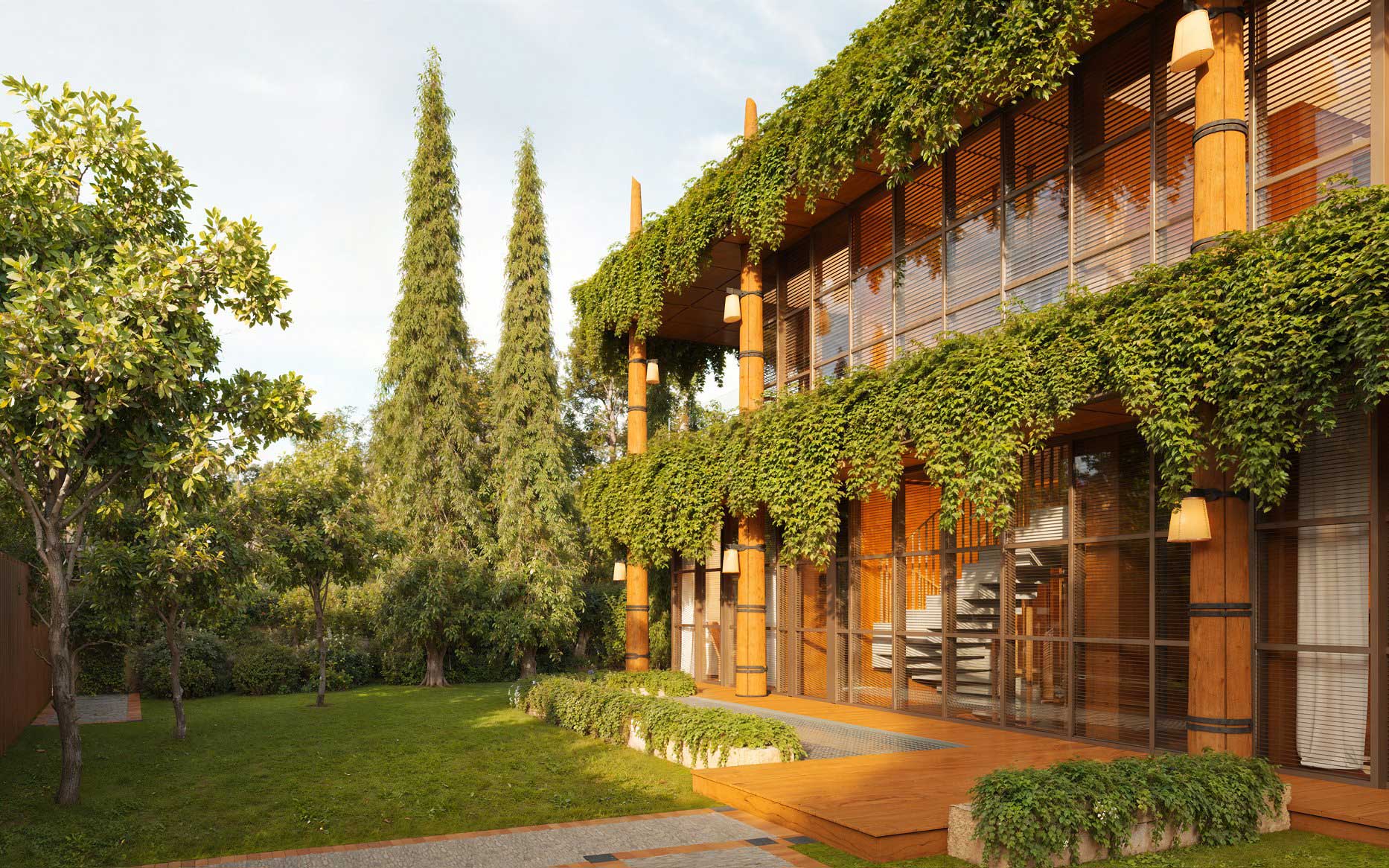
This confluence of geography and landscape has also shaped the developers’ vision for the project. Instead of numerous towers, apartments, hotels, and investment condominiums, they wanted something that harmonized with the natural landscape. This approach was further consolidated with a decision by the legendary creator Philippe Starck: a limited collection of distinctive villas together with a boutique hotel, where each was designed to respect the land’s landscape and atmosphere.
Starck’s ability to read a place and his powerful creative intuition have long been regarded as defining elements of his remarkable career. And if one were to revisit the sketch that he produced just two hours after arriving in Ho Tram, it would reveal that 99 percent of what he drew that day has now become reality.
A New Way of Living Takes Shape
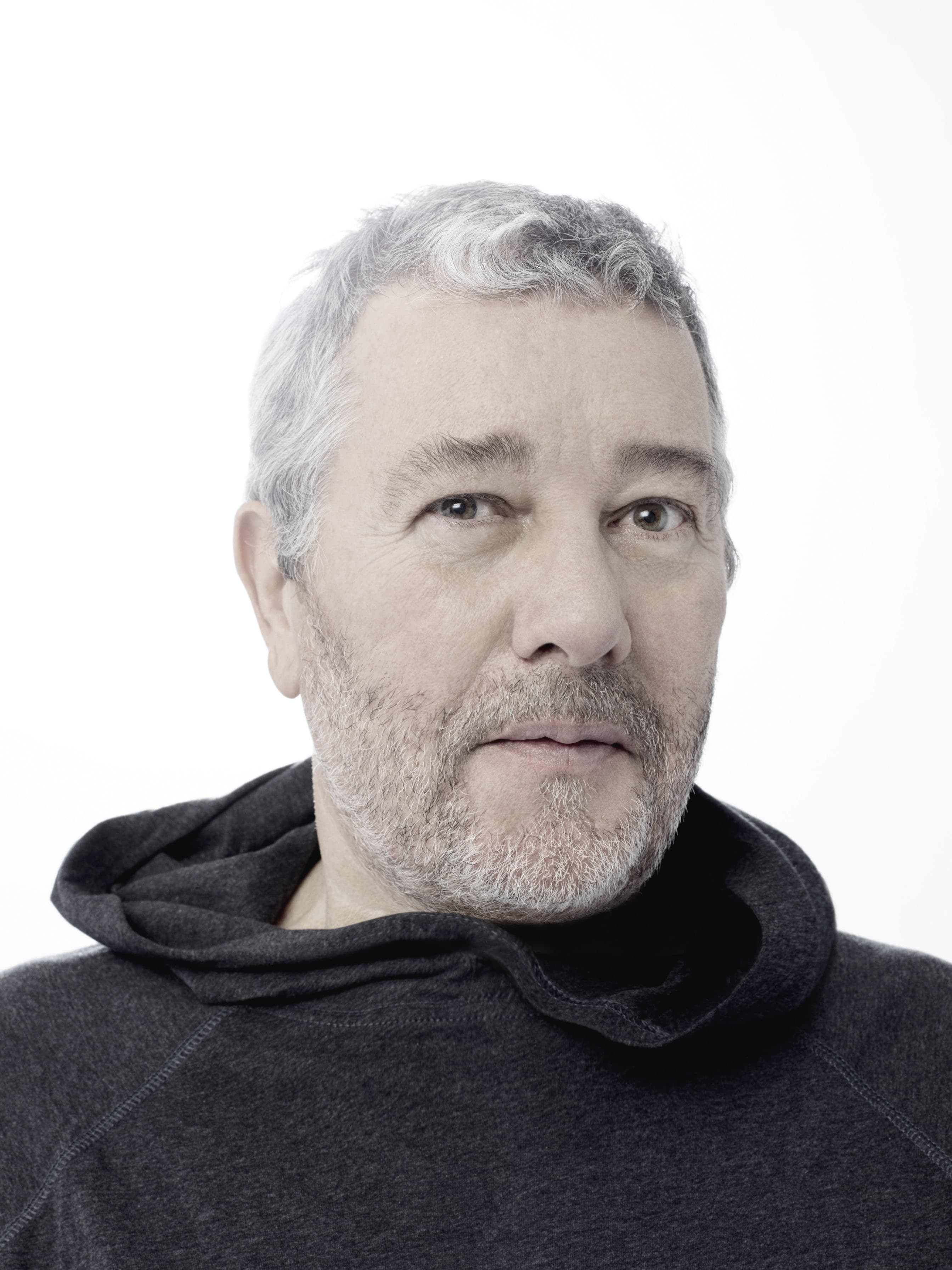
Unlike spaces that mistake austerity for elegance, Philippe Starck’s approach seeks warmth and vitality, where spaces are designed for long conversations, lively dinners with many guests, and the simple moments of everyday life. From Starck’s vision, Nhà Estate was conceived on a very limited scale:
“What we truly hope is that this project will allow us to build a community of people who feel privileged to share the experience of living together in the same place,” he explained.
Rather than a crowded resort, the developers envisioned something closer to a small private club, a place where the first families become the founding members of a long-lasting community.
“In fifty years’ time, we imagine our children or grandchildren saying: ‘My parents, my grandparents or my great-grandparents were really smart to get this house in Ho Tram, because it became the center of our social life and of so many of our family moments’,” he shared with pride. In that vision, Nhà Estate is a place where children grow up together, where dinners stretch late into the evening, and where unhurried days gradually become part of a shared memory.
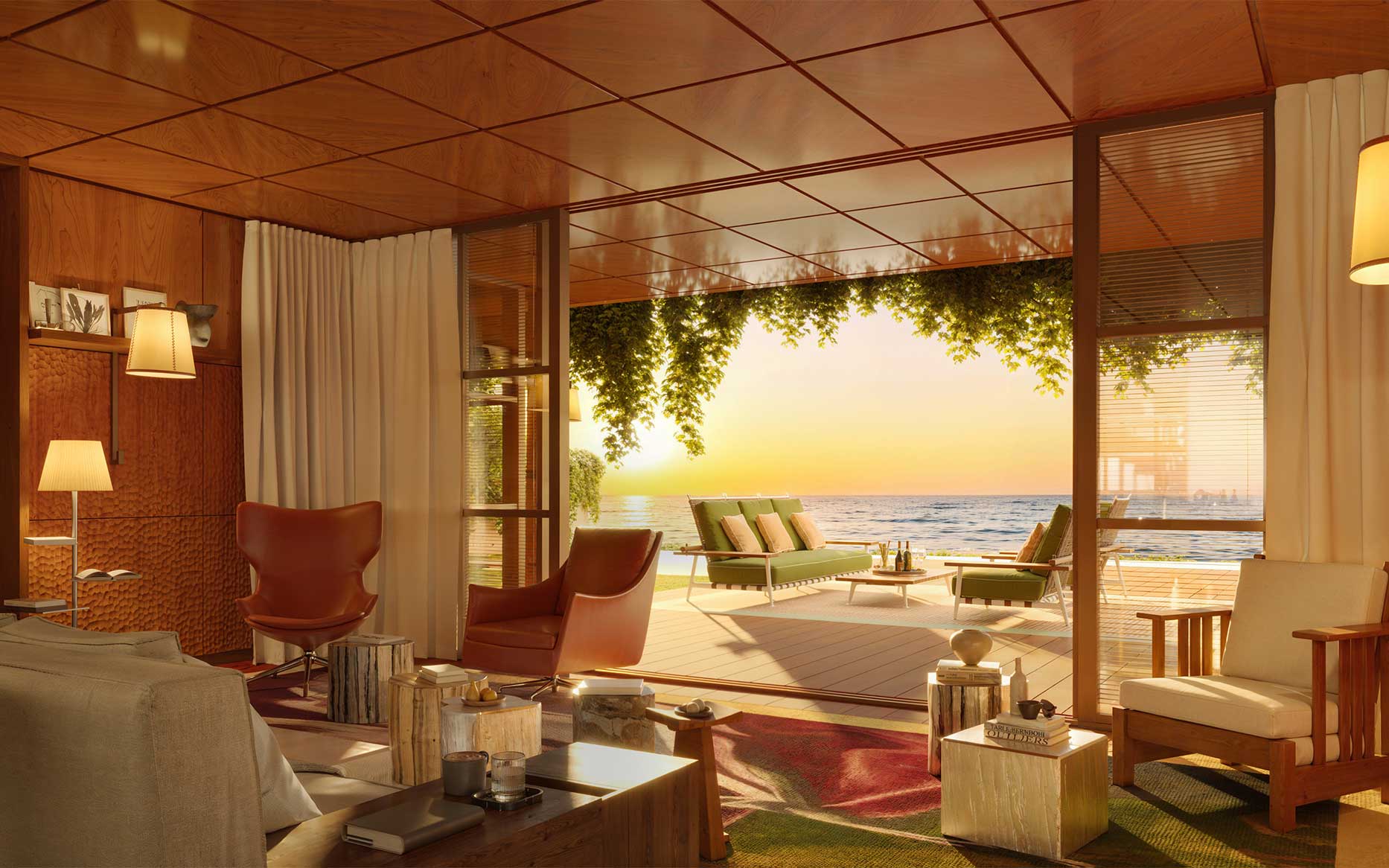
For the project’s developers, the overriding objective is simple: “creating a place where people genuinely want to spend time.” At Nhà Estate, residents can enjoy the gifts of nature, from the sea and the river to thoughtfully created amenities such as a beach club, restaurants, and generous communal spaces. At the same time, they remain closely connected to nearby attractions, including golf courses, restaurants, bars, and water-sports activities.
With this vision, the project is not merely a collection of villas, but a way of life: one that honors time, celebrates nature, and values the relationships between people.
And in a world that has perfected the art of noise, that may be the most radical thing of all: a house that simply feels like “Nhà”.
For more on the latest in lifestyle and travel reads, click here.
The post Nhà Estate, Vietnam: Where Nature and Family Memories are Preserved appeared first on LUXUO.