Inside Golden Goose’s Ownership Reset and What It Signals for Luxury M&As
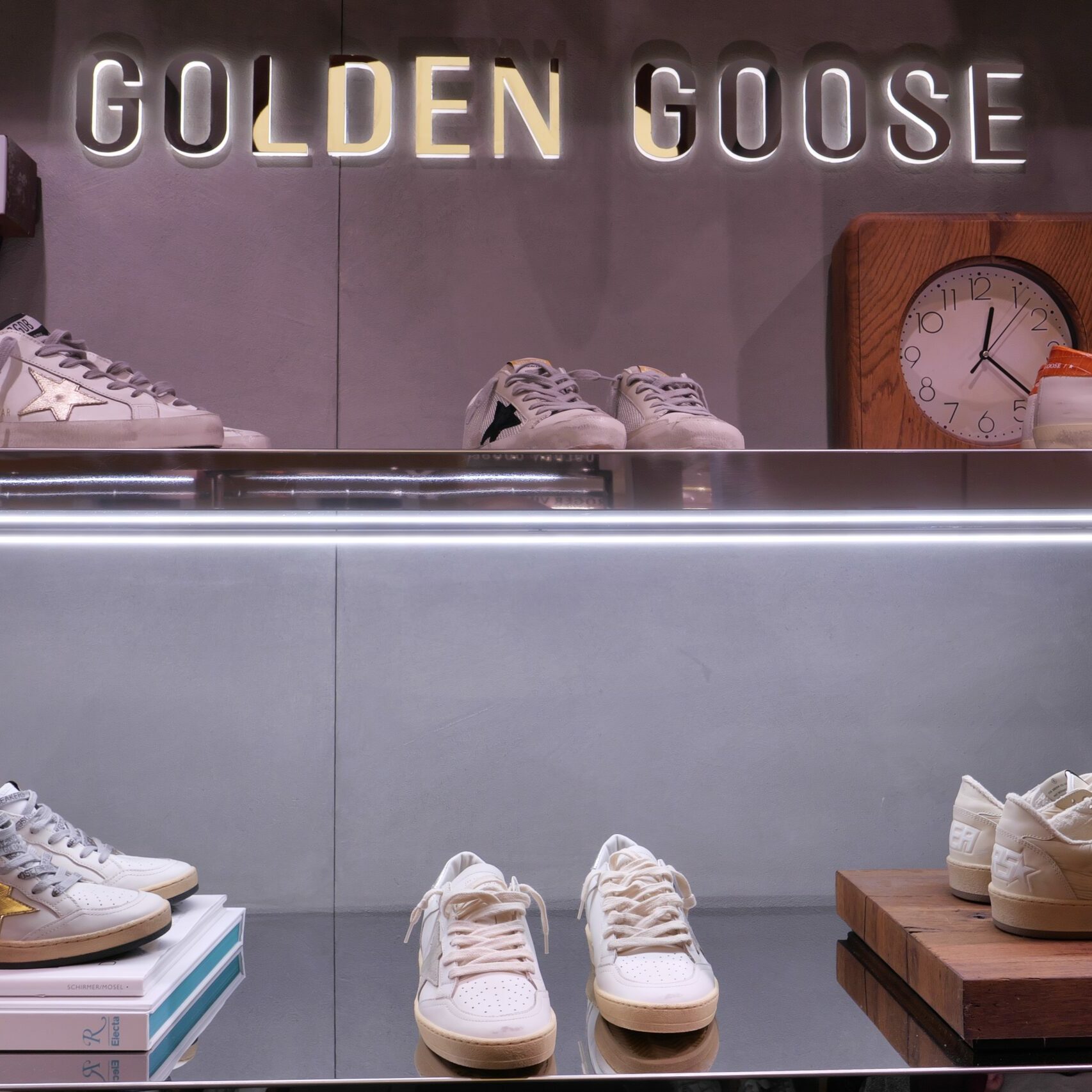
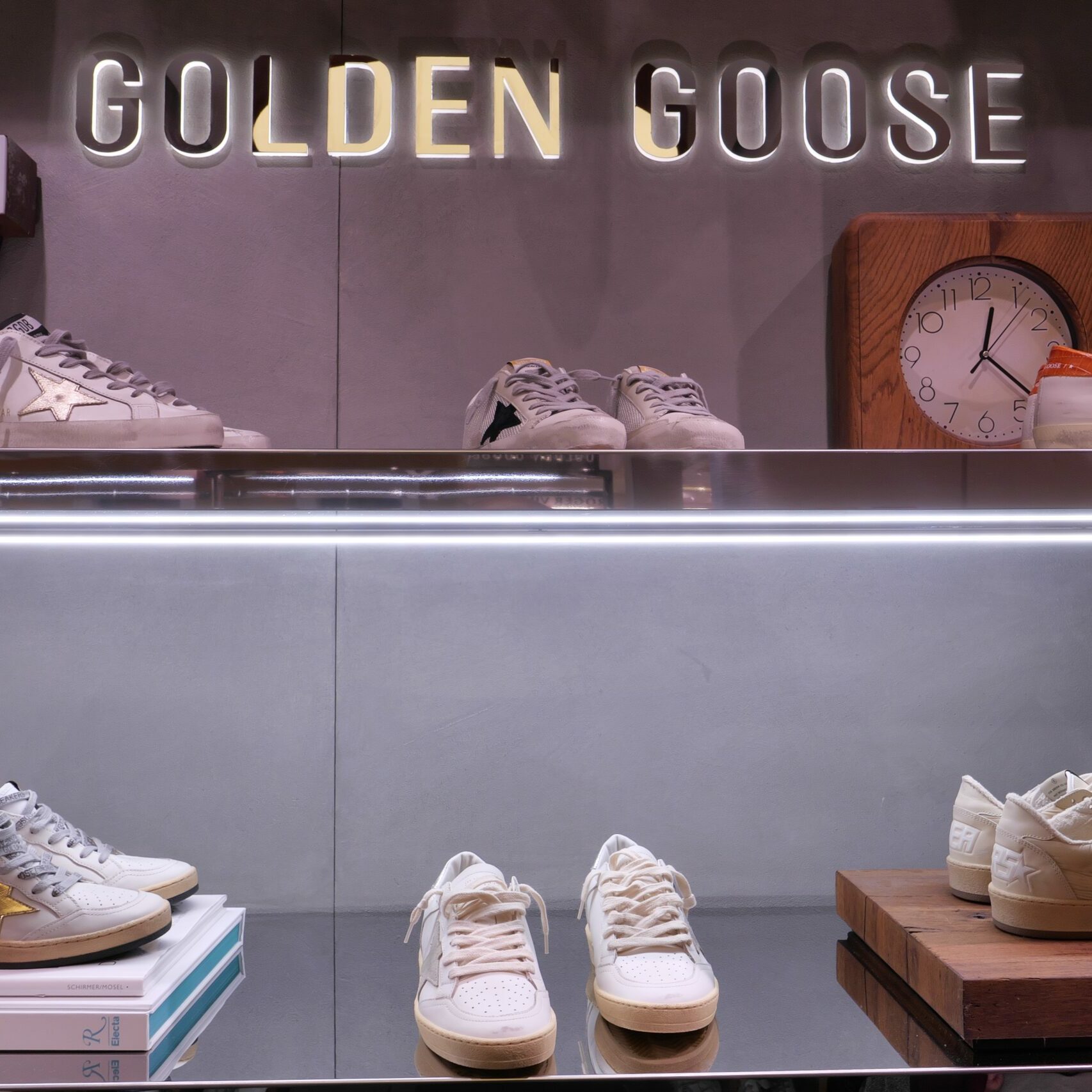
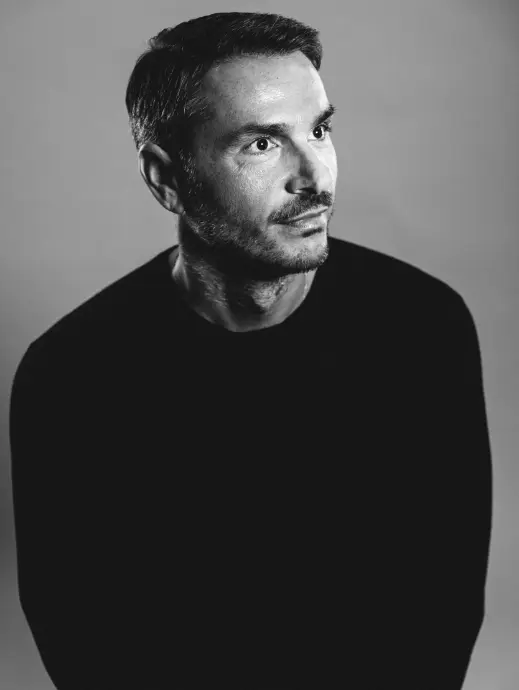
Golden Goose’s new phase of ownership reflects a broader recalibration regarding mergers and acquisitions happening across the luxury fashion industry. The luxury Italian sneaker label has confirmed that the Chinese private equity firm HongShan (HSG) has acquired a majority stake in the business, joined by Temasek and True Light Capital as minority investors. Existing shareholder Permira (alongside other existing shareholders including Carlyle) will retain a minority position, while Silvio Campara will remain as chief executive officer. Marco Bizzarri will step into the role of the non-executive chairman.
This change in ownership follows a stalled initial public offering attempt in mid-2024, when Golden Goose pulled its Milan listing amid European market volatility. Rather than signalling weakness, the aborted IPO appears to have sharpened interest from long-term investors seeking exposure to resilient, brand-led luxury businesses with global expansion potential. HSG’s arrival as the majority shareholder is particularly notable. Formerly known as Sequoia Capital China, the firm has built a reputation for backing category-defining consumer brands across Asia and beyond. Its involvement suggests a renewed strategic focus on international growth, especially in markets where Golden Goose has already demonstrated momentum, including China and Southeast Asia.
Temasek’s participation further reinforces this outlook. The Singapore-based investment company has steadily increased its exposure to luxury and premium brands, including stakes in Moncler and Ermenegildo Zegna Group. Its presence signals confidence in Golden Goose’s long-term brand equity rather than short-term financial engineering.
Earlier this year, Temasek took a 10 percent stake in Ermenegildo Zegna Group through a USD 126 million investment (approximately SGD 170 million), positioning itself as a long-term strategic partner rather than a passive financial investor. In that deal, Temasek emphasised balance-sheet reinforcement, organic brand growth and expansion in underpenetrated markets — particularly across Asia — while also securing board-level representation. The parallels underscore Temasek’s preference for family- or founder-led luxury houses with strong brand equity, disciplined leadership and clear international growth pathways, reinforcing the view that its involvement in Golden Goose is intended to support sustained global expansion rather than short-term restructuring.
The transaction — reportedly valuing Golden Goose at approximately SGD 3.7 billion (approximately EUR 2.5 billion) — brings together a consortium of investors with deep experience in scaling global consumer brands. While the financial terms are yet to be officially disclosed, the deal underscores the Golden Goose’s strong growth trajectory and its appeal as a platform business at the intersection of luxury and lifestyle-driven retail.
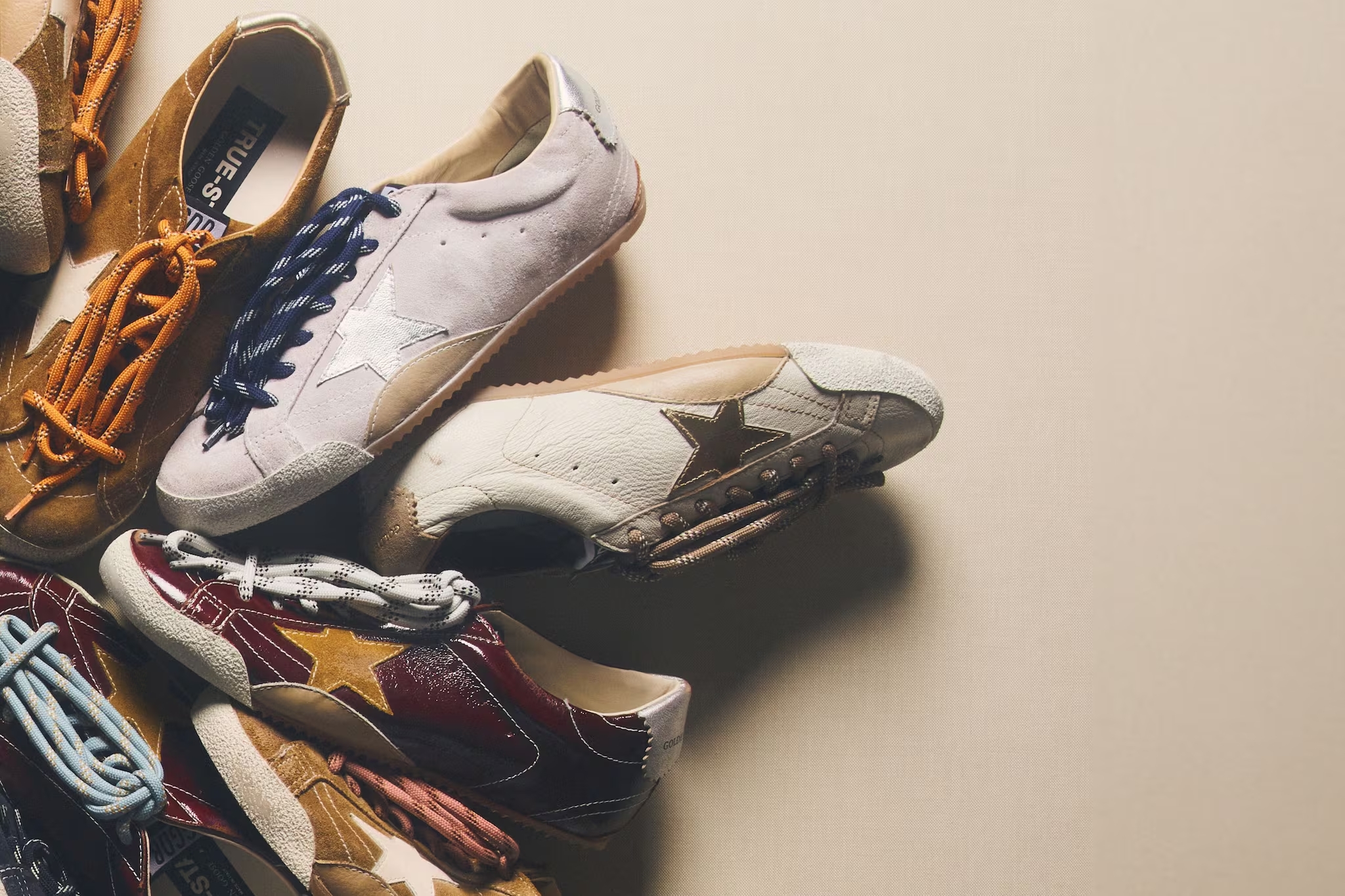
Founded in 2000, Golden Goose has built a distinctive position within luxury footwear through its deliberately distressed aesthetic, Italian manufacturing roots and emphasis on personalisation and experiential retail. Under Campara’s leadership, the brand has expanded rapidly, particularly through its direct-to-consumer channel. Over the past five years, Golden Goose has more than doubled its store footprint and significantly increased revenues, reaching SGD 989 million (approximately EUR 655 million) in 2024 despite a challenging luxury market.
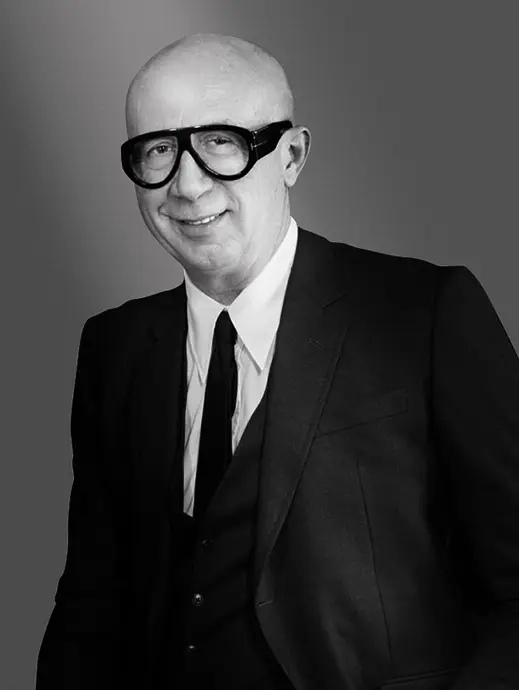
Leadership continuity appears central to the deal. Campara’s retention ensures consistency in brand vision, while the appointment of Marco Bizzarri brings heavyweight luxury governance experience at board level. Having previously led Gucci through one of the most transformative periods in modern luxury, Bizzarri’s involvement suggests an emphasis on disciplined growth, brand coherence and operational scale.
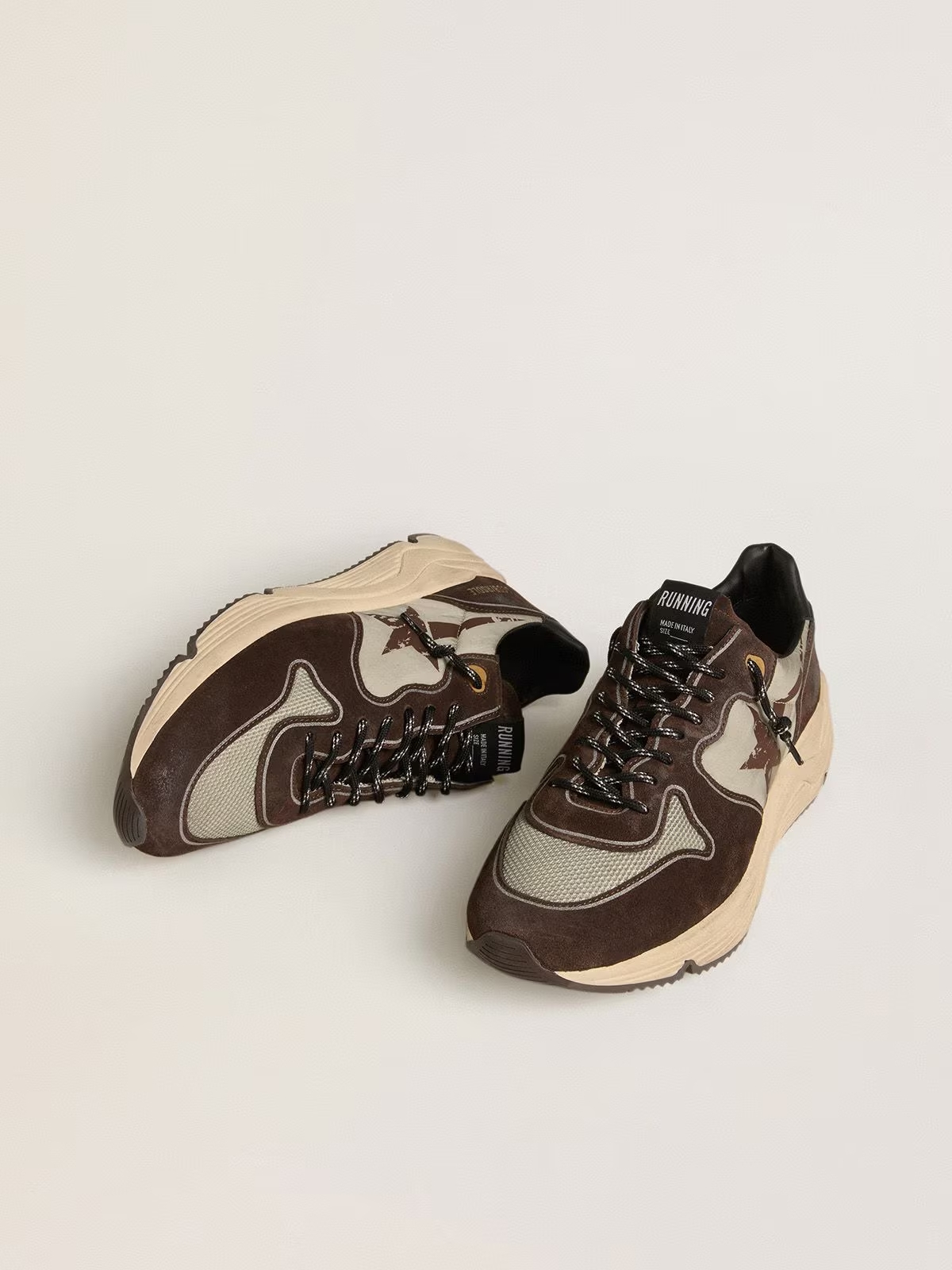
Looking ahead, Golden Goose is expected to continue expanding its retail network, deepen its community-led initiatives and invest further in experiential formats such as its co-creation labs and sports-led platforms. The brand has also shown resilience in China at a time when many Western luxury houses are reporting slower growth, positioning it favourably for its next phase. Rather than a conventional private equity exit, this transaction reflects a shift toward strategic capital that prioritises longevity, cultural relevance and global reach. For Golden Goose, the deal marks an affirmation that its unconventional approach to luxury remains commercially compelling.
What Does This Mean Moving Forward?
This deal keeps the IPO option alive while removing short-term pressure. A future listing is more likely to happen once markets stabilise and Golden Goose expands further in Asia. With HSG and Temasek on board, one can expect Asia’s role in luxury to become even more significant, with a sharper focus on China and Southeast Asia, particularly within the travel retail sector. In this respect, Golden Goose has already performed well in China compared to its luxury peers. The deal also reinforces that brands with strong communities, pricing power and experiential retail still command premium valuations even amid luxury’s current slowdown. Unlike traditional PE exits, this ownership mix suggests continued investment in stores, community experiences and DTC rather than margin squeezing. By prioritising brand-first growth over aggressive cost-cutting, Golden Goose is positioning itself for sustained relevance rather than short-term optimisation. Lastly, when it comes to the governance of the company, Marco Bizzarri’s role indicates stronger board-level oversight as the brand continues to scale.
For more on the latest in business and finance reads, click here.
The post Inside Golden Goose’s Ownership Reset and What It Signals for Luxury M&As appeared first on LUXUO.