How Car Insurance Needs Change as Your Car Gets Older

A car may run smoothly for years, but its insurance needs can change as it ages. Its value reduces, repairs may become more frequent, and usage may also shift with time. This makes it important to review car insurance at every renewal instead of continuing the same cover without thought.
This guide explains how insurance needs shift at different stages of your car’s life and how to review cover more carefully.
Understanding How Vehicle Age Impacts Insurance
Vehicle age can influence the cover, add-ons and insured value you choose. A regular review keeps the policy aligned with the car’s present condition.

Depreciation Reduces Car Value
Every car loses value over time because of depreciation. As the car becomes older, the insured value linked to it may also reduce. For a newer car, wider own-damage cover may feel useful because repair expenses can be higher. For an older car, the insured value should match its condition and use, as per policy terms.
Older Cars Often Face Different Risks
Older cars may need more care than newer ones. Parts can wear out, servicing becomes more important, and repair visits may increase. This does not make every older car risky. It means the owner should review daily use, parking place, road conditions and travel distance before renewal.
Insurance Premiums May Shift over Time
Premiums may change at renewal because of vehicle age, cover type, insured value, location, claim record and add-ons. As the car ages, some covers may remain useful, while others may not match the vehicle’s value. Reviewing the policy can help avoid unnecessary features.
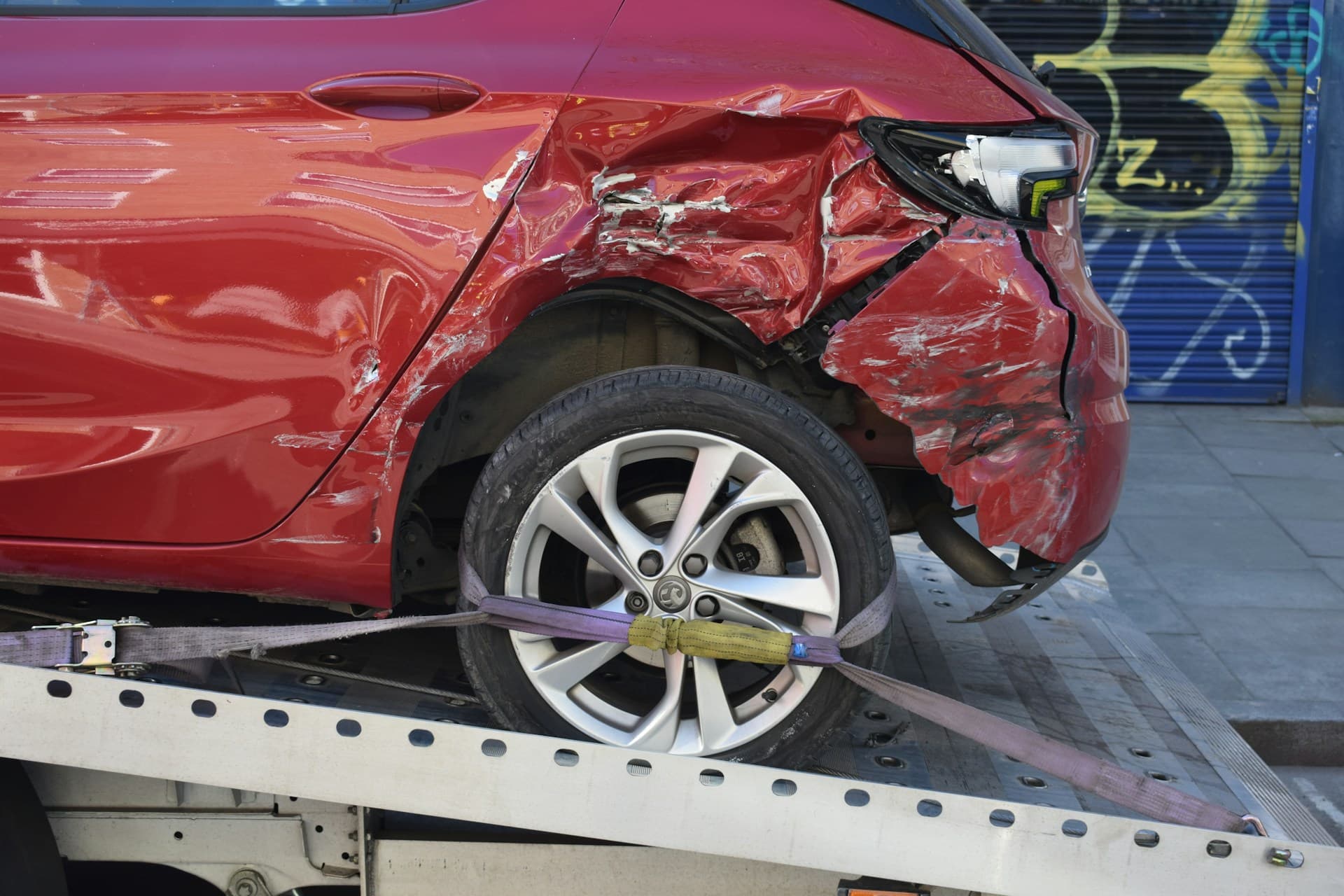
Insurance Needs during Different Stages of a Car’s Life
A car’s insurance needs usually change as it moves from new to mid-age and then older. The right cover depends on value, usage and repair needs.
New Cars (0-3 Years)
New cars usually have a higher value. Owners may prefer wider protection because repair or replacement expenses can be more significant during the early years. Comprehensive cover with suitable add-ons may be considered, depending on policy terms. Covers linked to depreciation, engine protection and roadside support may be useful while the vehicle holds a higher value.
Mid-Age Cars (4-7 Years)
A mid-aged car may still be reliable, but its value is usually lower than when it was new. Comprehensive cover may still be useful if the car is used often, parked in open areas or driven in heavy traffic. Each add-on should be checked for need and value.
Older Cars (8+ Years)
For older cars, the insurance decision becomes more need-based. Owners should check usage, maintenance, repair exposure and overall value before renewing cover. A well-maintained older car used daily may still need wider cover. A car used rarely may need a simpler policy approach.

Which Add-Ons Are Worth Keeping for Older Cars?
Add-ons can improve the strength of a motor policy, but their usefulness may change with age. Older car owners should keep covers that match real usage and repair needs.
Add-Ons That Can Still Be Useful
Some add-ons may remain useful when an older car is used often. These covers can support convenience and reduce sudden repair-related pressure.
Roadside Assistance: This may be useful if the car is driven regularly or taken on longer trips.
Engine Protection: This may be considered in areas with waterlogging or higher engine damage risk.
Consumables Cover: This may support small items used during accidental repairs, as per policy terms.
Add-Ons Owners May Reconsider
Some add-ons may become less useful as the car gets older. Owners should check whether the benefit still justifies the added premium.
Depreciation Cover: This may be reconsidered if the car is older or the cover is unavailable as per policy terms.
Invoice-Linked Cover: This may be less useful once the car is far from its purchase stage.
Key and Lock Cover: This may be reviewed if the expected need is low.
Conclusion
As a car gets older, its insurance should be reviewed with the same care as its servicing. The policy chosen when the vehicle was new may not remain suitable forever. Cover should reflect the car’s present value, condition, use and repair needs. A careful renewal review can help owners keep useful protection, remove less relevant add-ons and make better car insurance decisions over time, based on policy terms and changing needs.
For more automobile reads, click here.
The post How Car Insurance Needs Change as Your Car Gets Older appeared first on LUXUO.