Does Fast Consumption or Lack of Accessibility Fade Luxury Away?
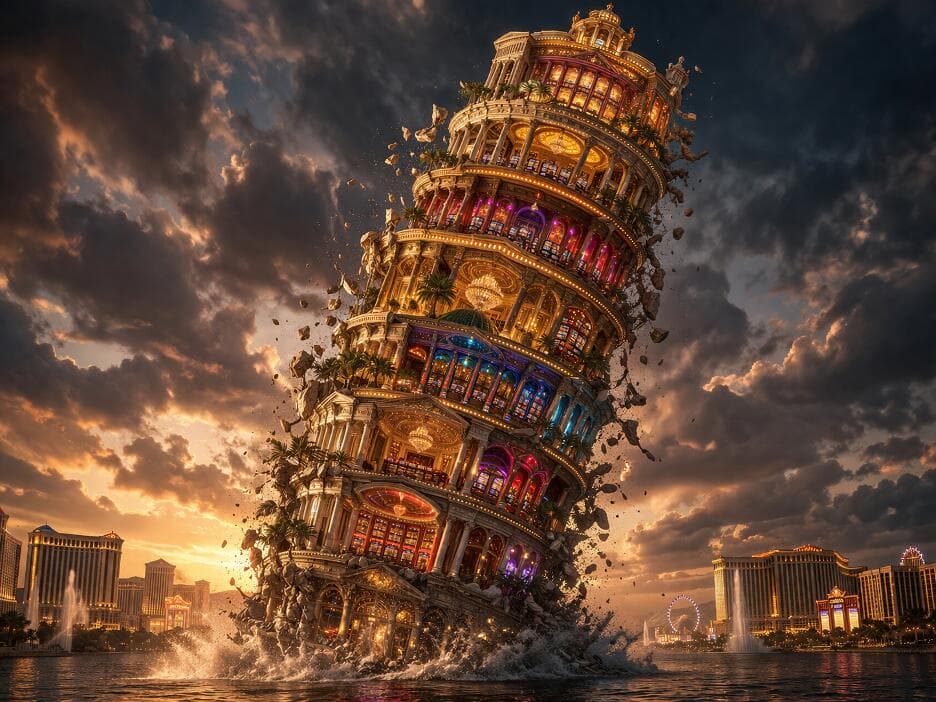
The image was created by us with AI, specifically for this article.
The worst enemy of luxury is when people do not care about it. That is such a painful thing for an industry built on the foundation of desire and status signaling. Unfortunately, modern times largely challenge luxury consumption. People go after fast consumption and probably become too busy to think about lasting emotions or goods. On the other hand, technology has democratized many services that used to be open only to selected people, and they have simply changed their nature. Premium bank cards, expensive cars, luxury casinos… They get replaced, but does this mean that luxury is fading away?
When Luxury Stops Being a Destination
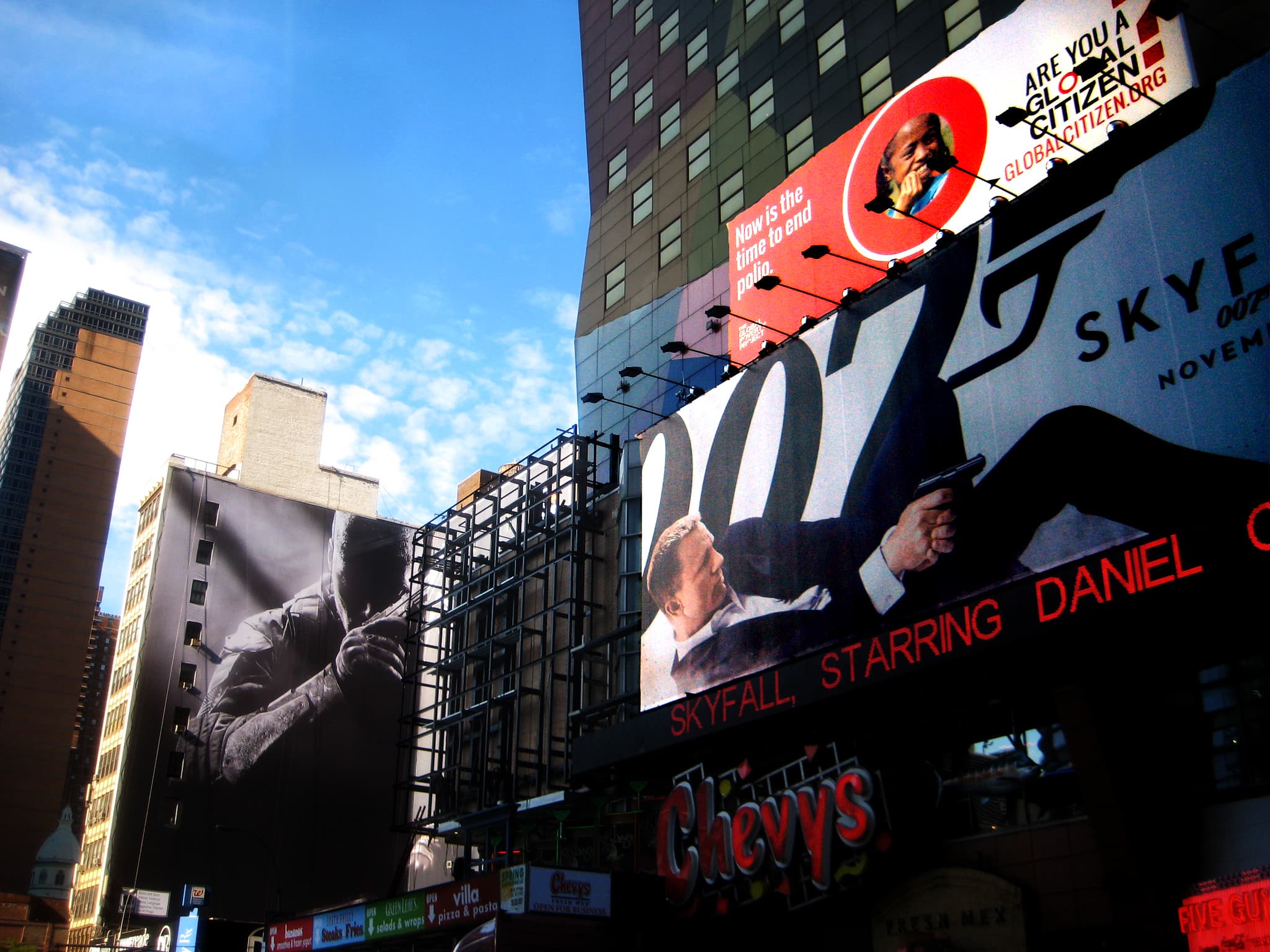
Land-based casinos spent years building a place in luxury imagination because they offered more than the game itself. Not many gamers could afford such an experience, and perhaps only a few could be found among the readers of this article. But if not, it is movies and TV shows that have shown us the chic inside casino walls. Remember the not-so-long-ago released movie Skyfall, where the camera enters a casino in Macau, catching shots of a roulette game in a polished setting.
Is this anywhere close to what ordinary people experience today when playing roulette? The exact same game? Not at all. Those who play on digital platforms probably do not even care about the luxury depicted in Skyfall. What do they care about? That their payments get into their wallets instantly. That is why modern platforms adopt cryptocurrencies without wasting time. Moreover, they never stopped offering luxury, by the way. Just do some research. Crypto roulette on Thunderpick, one of the major gaming providers, does take advantage of blockchain technology, but the website has many hints of luxury play. One of the games, in fact, is called Roulette VIP French. Yes, VIP is a very synonymous for luxury, I guess.
Luxury, Translated into Function
In other words, online casinos have not erased that appeal. They have translated it. The luxury signal is no longer carried mainly by chandeliers, grand entrances, or destination travel. It is carried by speed, interface quality, privacy, and ease of payment. That is a major cultural shift, because it moves the center of value from the environment to function. The experience becomes less about arriving somewhere special and more about entering quickly, playing smoothly, and leaving on your own terms.
What makes it so central is not only the game itself, but the payment logic around it. Crypto payments reduce delay, simplify movement across digital spaces, and make participation feel immediate. That can expand interest and make the category feel more modern, but it also means the old image of the casino as a rarefied lifestyle marker carries less weight than before. Some even like to say that technology is a new luxury. Maybe.
Ease Has Become a Luxury Signal of Its Own
The bigger luxury market shows that this change is not only happening in casinos. Today, premium value is moving away from just owning expensive things. More and more, it is about getting an experience that feels easy, smooth, and personally meaningful.
One report says luxury experiences did better than the rest of the market in 2025. Another says that customer experience and customer loyalty are now some of the biggest opportunities for growth.
| Market signal | Latest figure | What it suggests |
| Personal luxury goods sales in 2024 | EUR 364 billion | The sector remains large and culturally powerful |
| Personal luxury goods forecast for 2025 | EUR 358 billion | Demand is steady, but growth is more selective |
| Share of accessible luxury brands likely to have grown in 2025 | About 50 percent | Wider reach is one of the most active parts of the market |
| Executives naming customer experience and loyalty as the strongest growth opportunity | 28.6 percent | Premium value is shifting toward relationship quality |
| Executives name customer experience and loyalty as the strongest growth opportunity | 36.2 percent | Consumers are rewarding memorable, lived experiences |
Seen this way, accessibility does not automatically dilute luxury. It can even sharpen it when ease feels intentional, polished, and emotionally aware. The real risk comes when speed becomes the whole story. Once frictionless access turns into plain habit, the sense of distinction can thin out. Luxury still needs some form of texture, even when the door opens faster.
What Still Feels Luxurious in a Frictionless World?
The answer is not to chase exclusivity in its old form. It is to understand that digital access changes the code. Discovery, desire, and premium judgment now form much earlier, often on a phone screen. Deloitte found that:
- more than half of Gen Z use short social videos to learn about travel
- compared with 34 percent of millennials
- and 14 percent for Gen X and boomers together
This matters because people now often discover luxury first on a screen. They notice the look, the feeling, or the story before they ever visit the real place.
That is why the strongest luxury experiences, physical or digital, still depend on emotional framing. As Scott Malkin said in a McKinsey conversation on luxury retail, “We want each of our guests to feel special. It’s about defending the soul of the experience.” That line captures the real issue behind casino glamour moving online. Once access becomes easy, the premium feeling can no longer rely on:
- gates
- distance
- architecture
It has to come from curation, atmosphere, trust, visual confidence, and a clear sense of occasion, even on a screen.
For more on the latest in global economic and business reads, click here.
The post Does Fast Consumption or Lack of Accessibility Fade Luxury Away? appeared first on LUXUO.