
The Inconvenient Truth About Electric Cars

Electric vehicles are widely celebrated as the future of sustainable mobility, but the environmental and social costs behind their production and use are often overlooked. While EVs reduce tailpipe emissions, their lifecycle — from resource extraction to disposal — raises significant ecological and ethical questions.
Resource Extraction and Environmental Impact

The materials powering EVs come at a heavy cost. Batteries rely on lithium, cobalt, nickel and rare earth metals, often sourced from countries with weak environmental regulations. Mining these resources is energy-intensive, disrupts local ecosystems and contaminates water supplies. In regions like the Democratic Republic of Congo, cobalt is frequently mined under hazardous conditions, sometimes involving underpaid or child labour. Even when handled responsibly, the extraction of these metals generates substantial waste, calling into question the true sustainability of EVs.

Producing EV batteries creates large amounts of carbon dioxide, sometimes offsetting the lower emissions generated during the vehicle’s use. Estimates suggest manufacturing a mid-range EV can produce 11 to 14 tonnes of CO₂, factoring in both the car and its battery. The actual environmental impact depends on the energy mix where the battery is produced. EVs charged with renewable energy offer far greater benefits than those relying on coal or gas-fired grids however, EV batteries degrade over time, reducing range and performance. Recycling remains limited and without widespread infrastructure, retired batteries may become hazardous waste. Even when recycled, the process consumes energy and resources, highlighting the need for more sustainable end-of-life solutions.
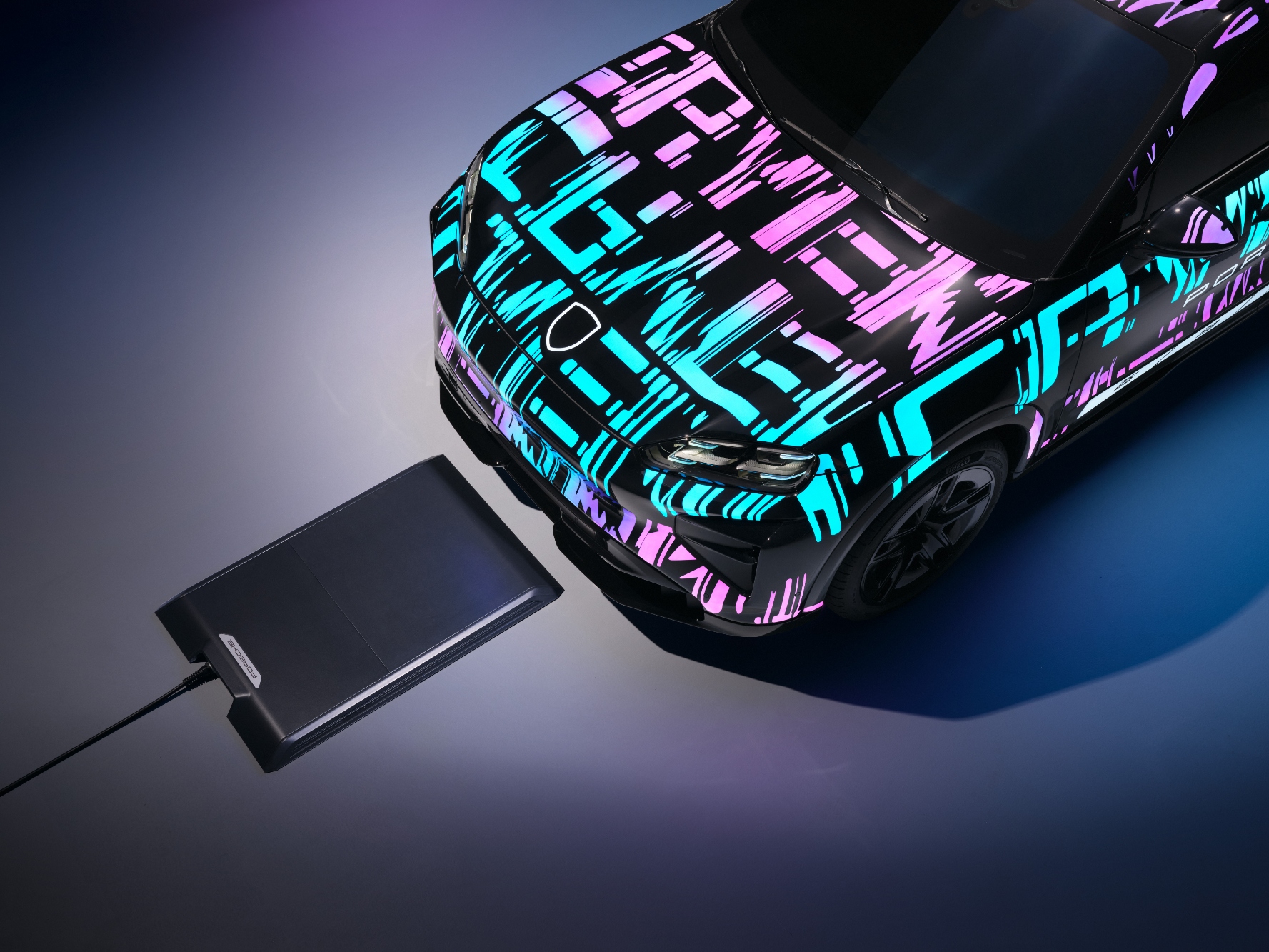
Furthermore, a mass transition to EVs strains existing electricity grids. Peak demand during charging can cause instability, particularly in regions with limited infrastructure. In some cases, EV owners rely on diesel-powered generators at charging hubs, reducing the environmental gains. The heavier weight of EVs, especially larger trucks and SUVs, also accelerates road wear and damages infrastructure more than conventional vehicles, raising maintenance costs.
Social Justice Concerns & Practical Limitations
Policy incentives and corporate marketing often overstate EV benefits, presenting them as a silver-bullet solution to climate change. Without considering broader environmental and social impacts, EV adoption can mask rather than solve ecological problems. As mentioned earlier, the pursuit of green mobility can exacerbate inequalities. Mining operations often exploit vulnerable communities, while the benefits from EV adoption tend to be concentrated in wealthier regions. Without ethical supply chains, the promise of sustainable transportation risks becoming a burden for those least equipped to bear it.
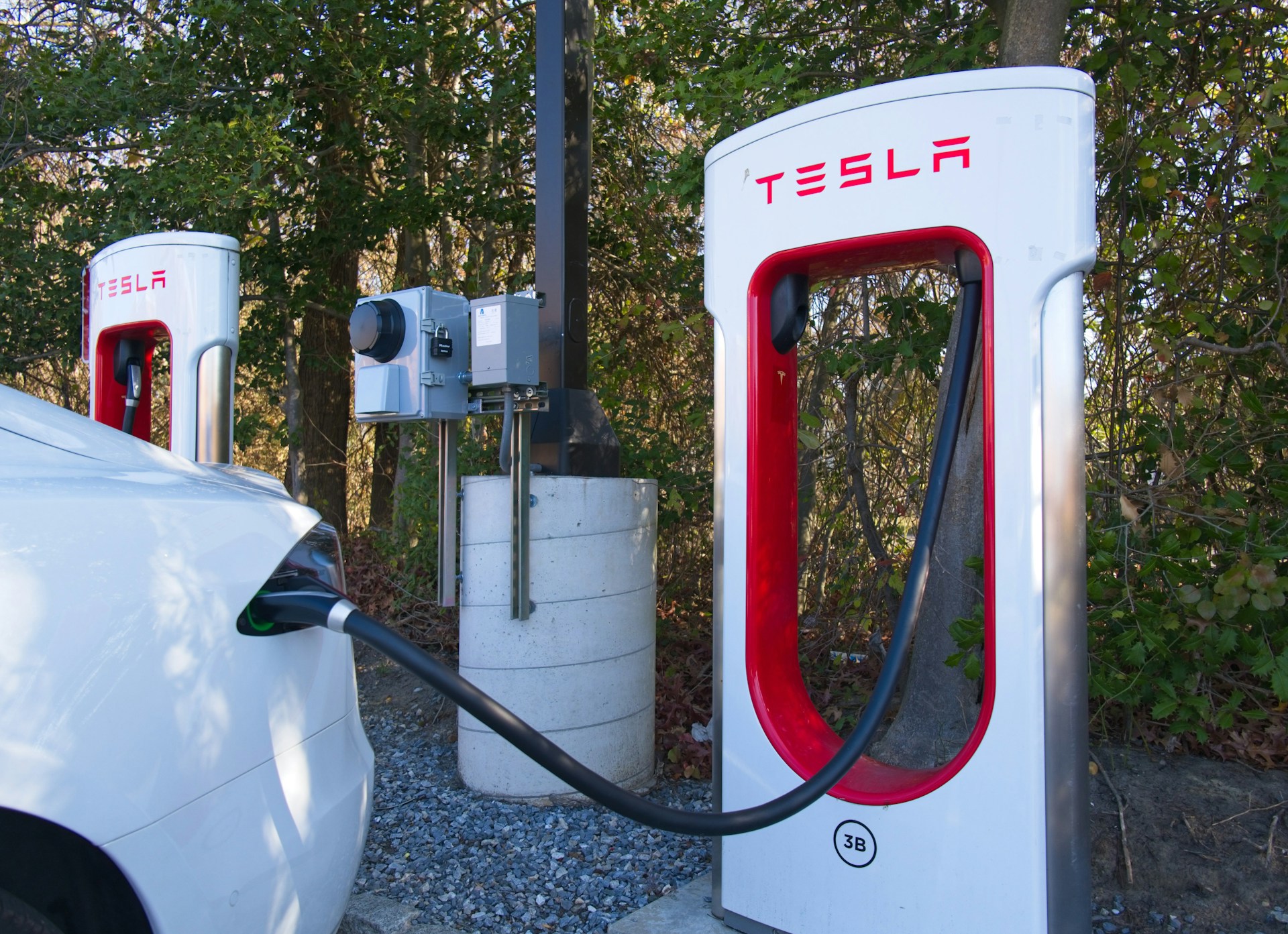
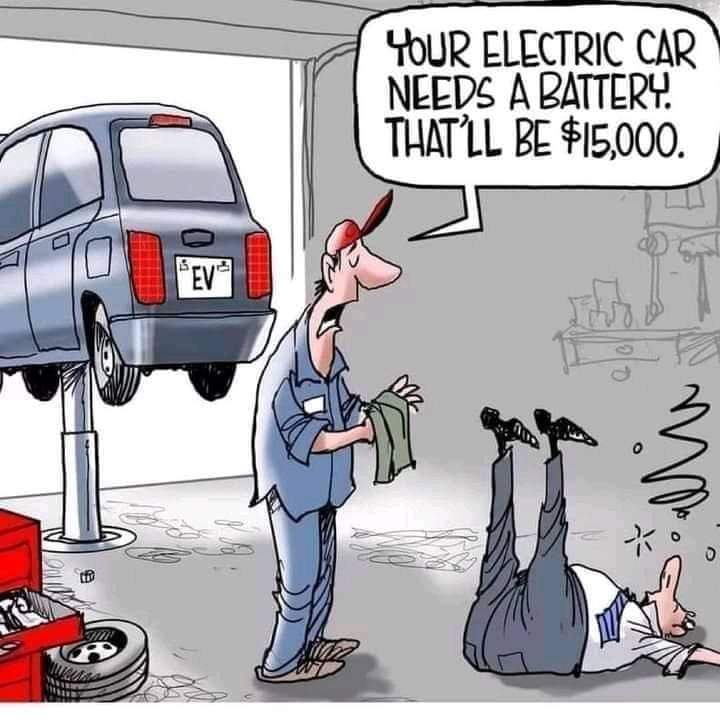
EVs remain more expensive upfront than their internal combustion counterparts. Charging networks are uneven and long-distance travel can be slow and stressful due to limited range and inconsistent charging infrastructure. In cold weather or under heavy load, real-world range can drop by up to 35 percent. Battery replacement costs — which can reach USD 15,000 to USD 23,000 — add further financial considerations for long-term ownership.
EVs may reduce carbon emissions but increase other forms of pollution. Heavier vehicles produce more tire wear, generating microplastics that pollute air and water. Fires involving lithium-ion batteries require substantially more water to extinguish than traditional fuel fires and pose unique safety hazards.
Alternatives and Trade-Offs
Electric vehicles are only one piece of the transportation puzzle. Alternatives such as public transit, hydrogen fuel cells, shared mobility and improved infrastructure may provide more effective environmental returns in certain contexts. Assessing the true sustainability of EVs requires a full lifecycle perspective, from production and usage to disposal. The inconvenient truth is clear: while EVs have an important role in reducing emissions, they are not a panacea. Policymakers, manufacturers and consumers must confront the full environmental, social and economic costs to ensure that the transition to electric mobility is genuinely sustainable.
For more on the latest in luxury motoring reads, click here.
The post The Inconvenient Truth About Electric Cars appeared first on LUXUO.